
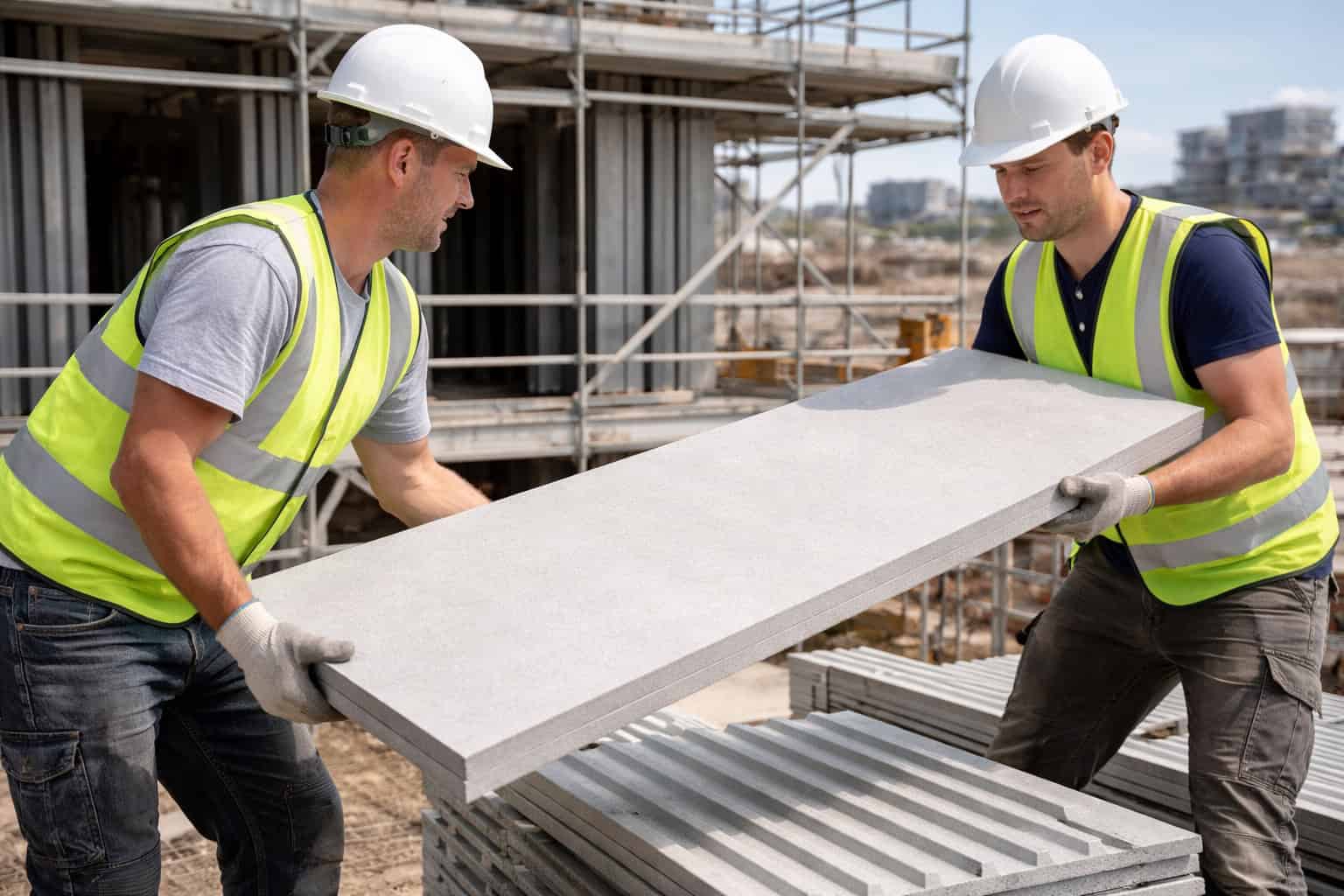
Are Fiber Cement Boards Heavy? What Does That Mean on Site?
Fiber cement board weight is higher than lightweight materials, but remains manageable and predictable on construction sites.
Read insight387 preserved articles / Page 7
Technical guidance on façade materials, building boards, installation and international trade.
Archive
Fiber cement board weight is higher than lightweight materials, but remains manageable and predictable on construction sites.
Read insight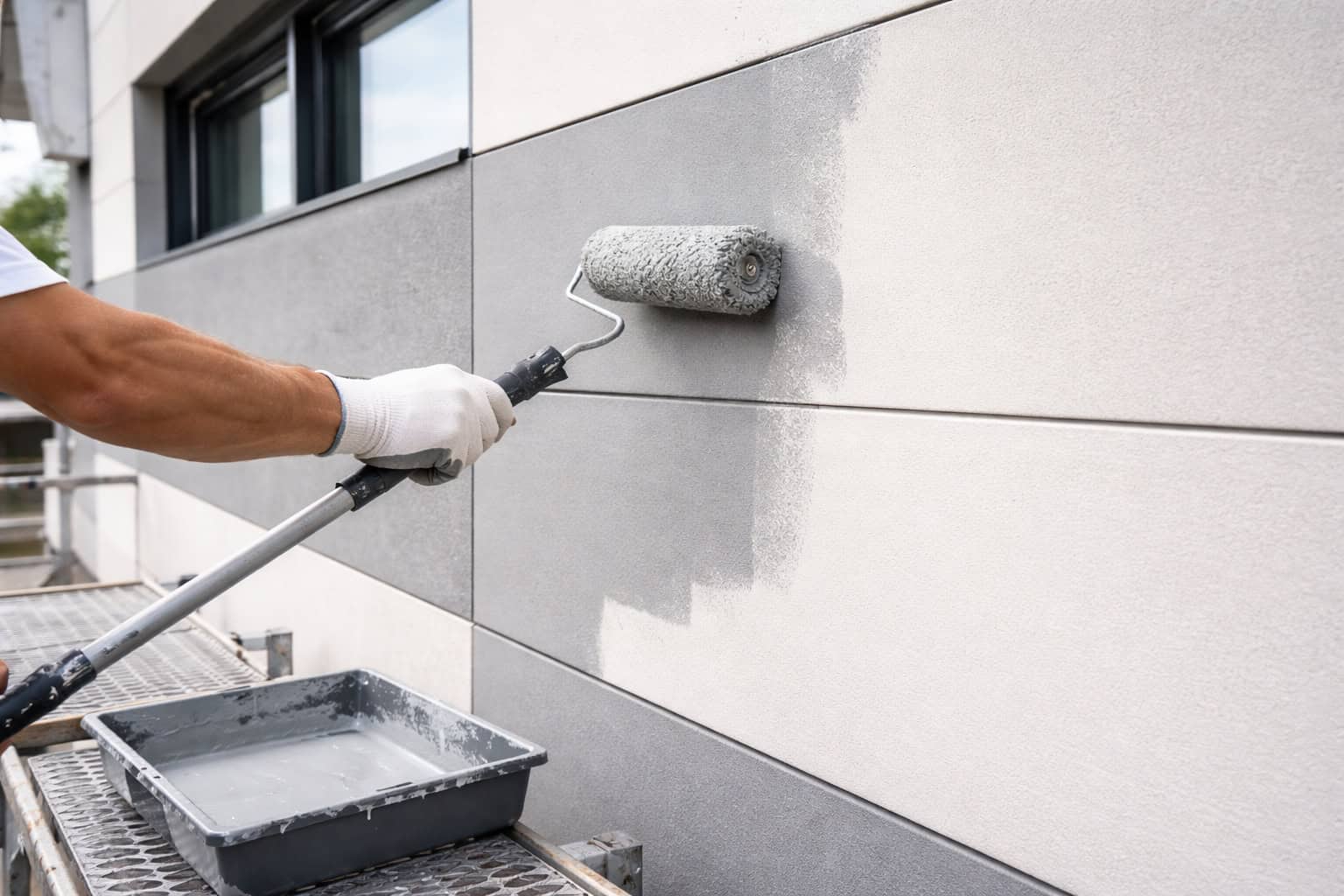
Fiber cement boards can be painted or recoated later, offering long-term flexibility and easy facade maintenance.
Read insight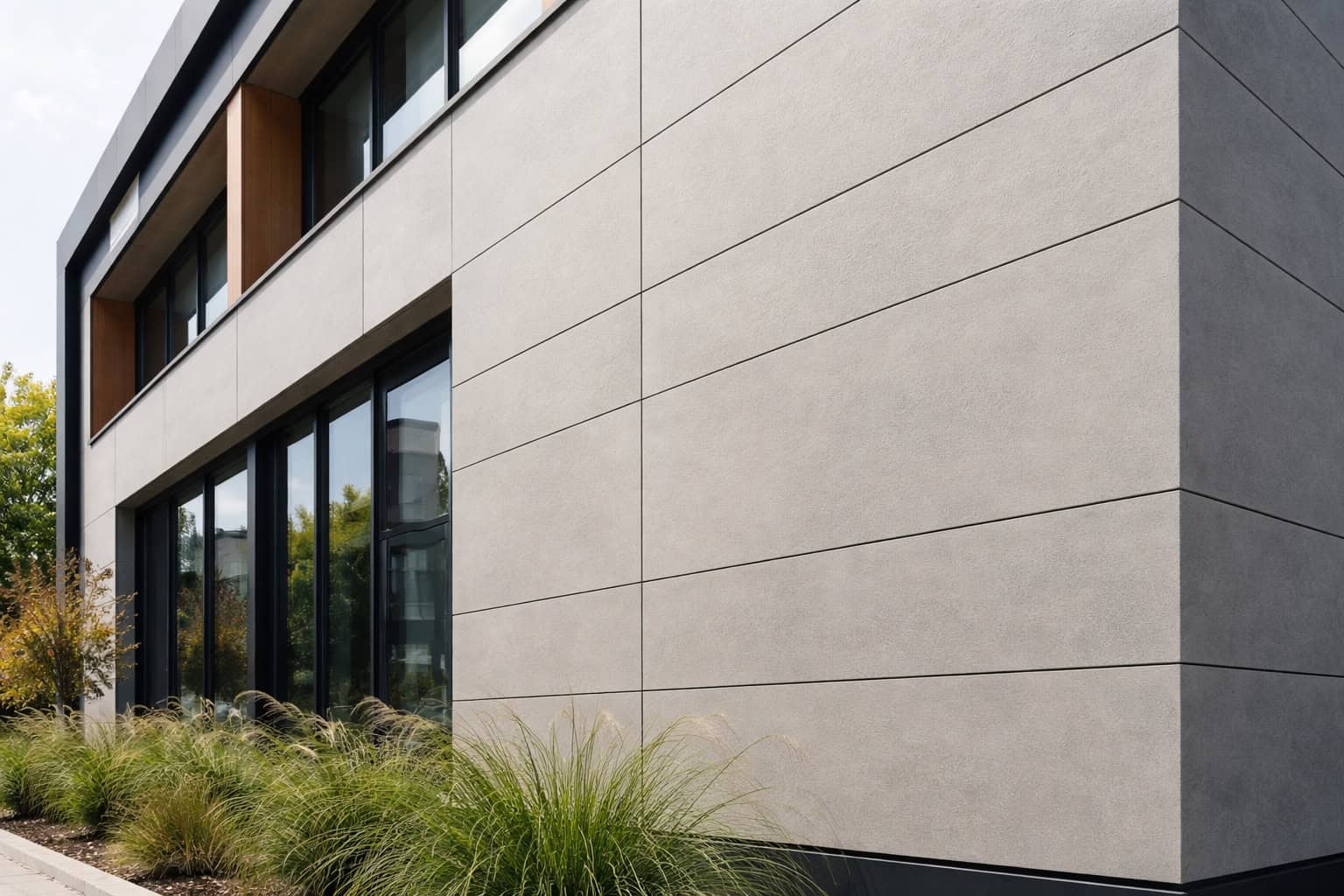
Fiber cement boards are a safe, non combustible facade choice that offers durability and long-term performance for modern buildings.
Read insight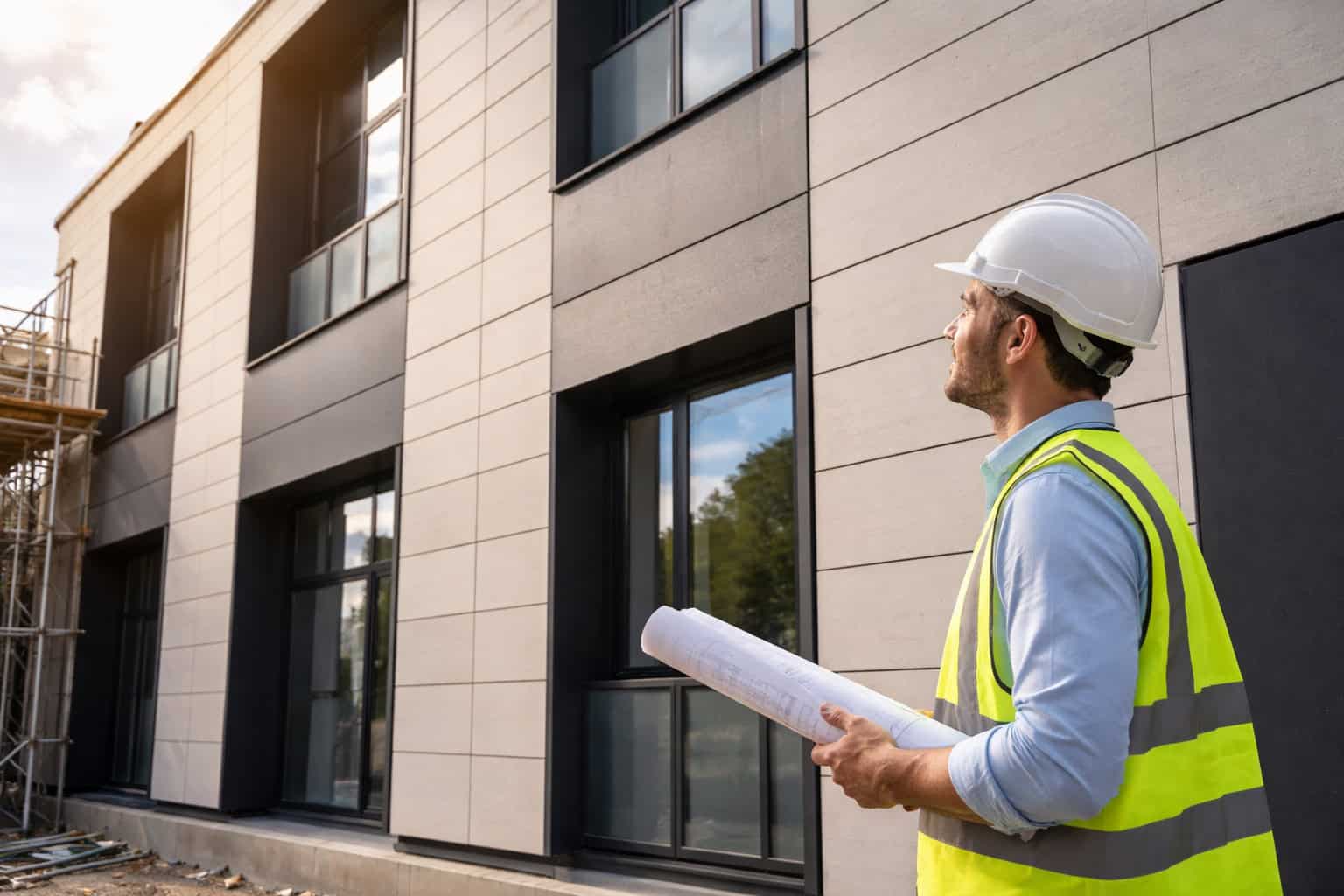
Fiber cement boards offer a safe, durable, and practical alternative to traditional cladding for modern facade projects.
Read insight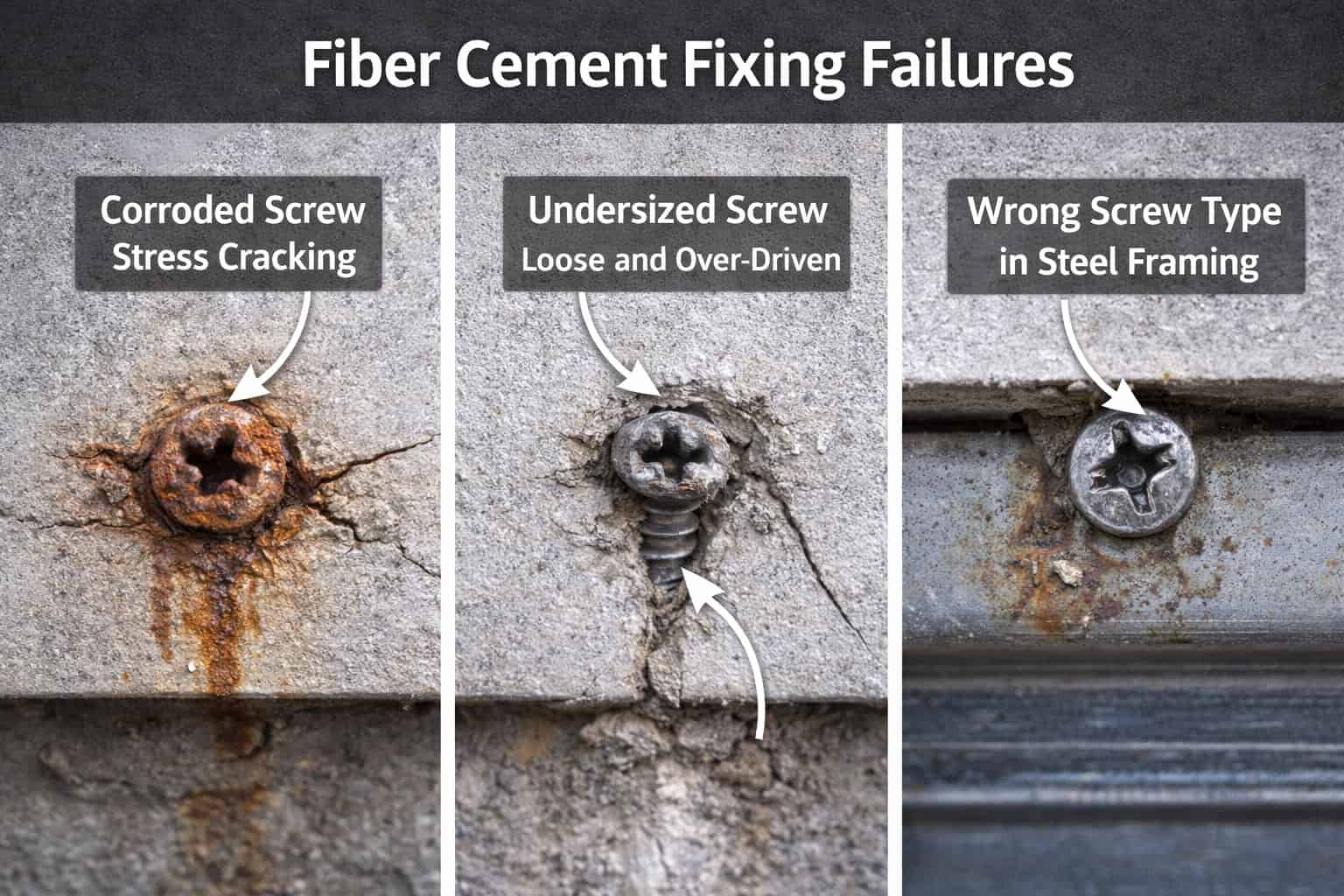
Screw selection errors in fiber cement boards causing hidden structural failures from corrosion, wrong screw type, and poor installation.
Read insight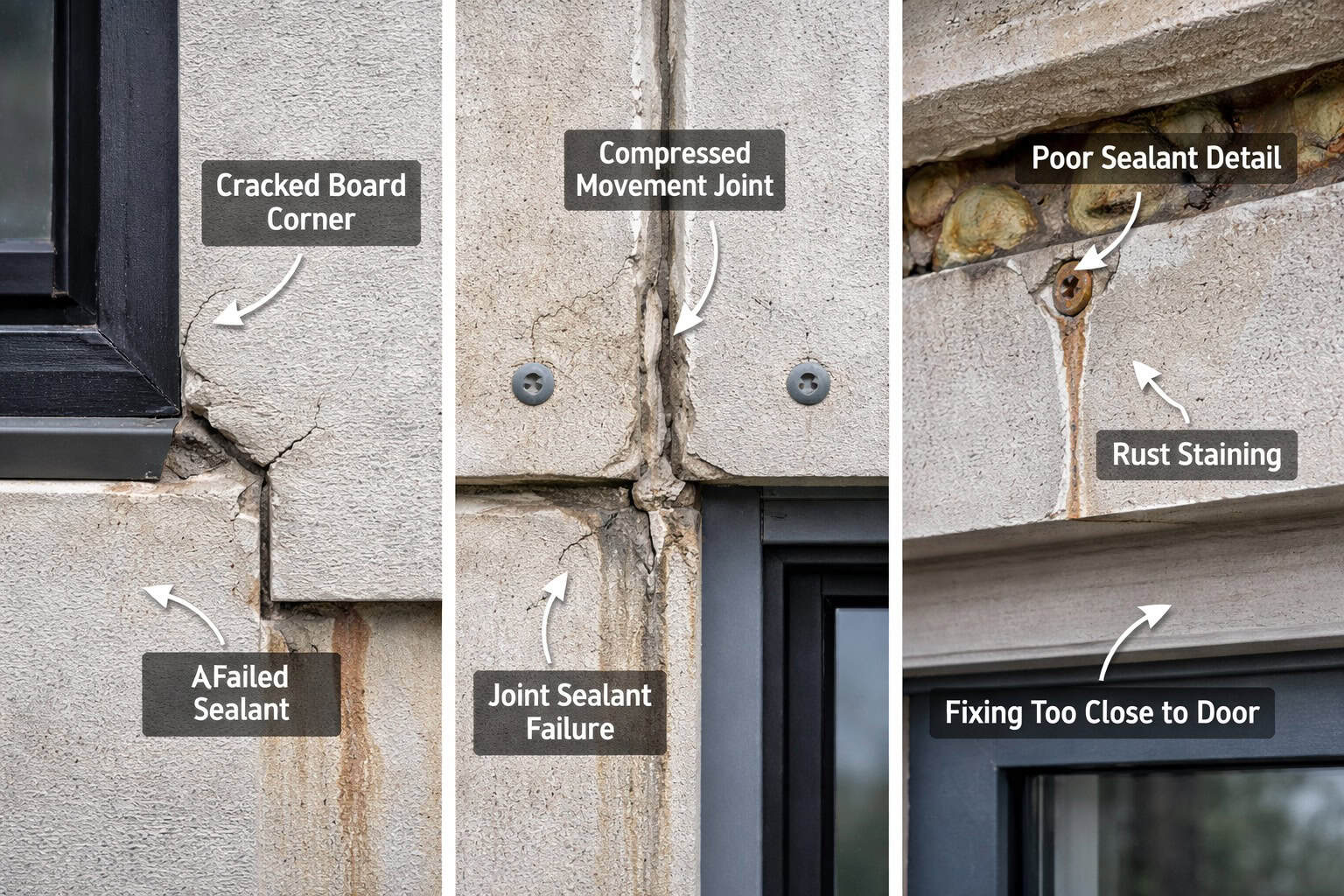
Interface failures in fiber cement boards at windows, doors, and movement joints caused by restrained movement and poor detailing.
Read insight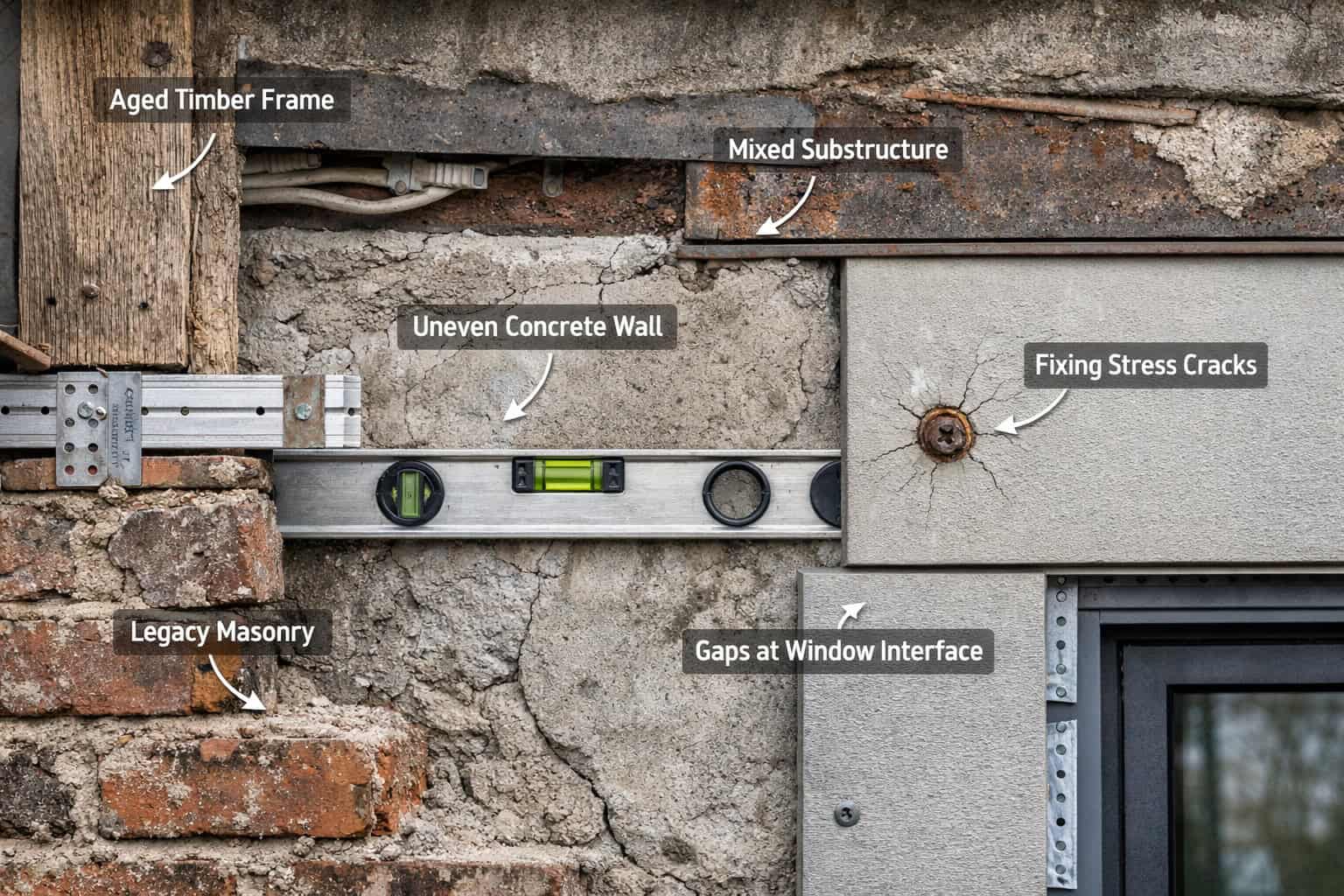
Challenges and technical constraints when installing fiber cement boards on uneven existing substructures in retrofit projects.
Read insight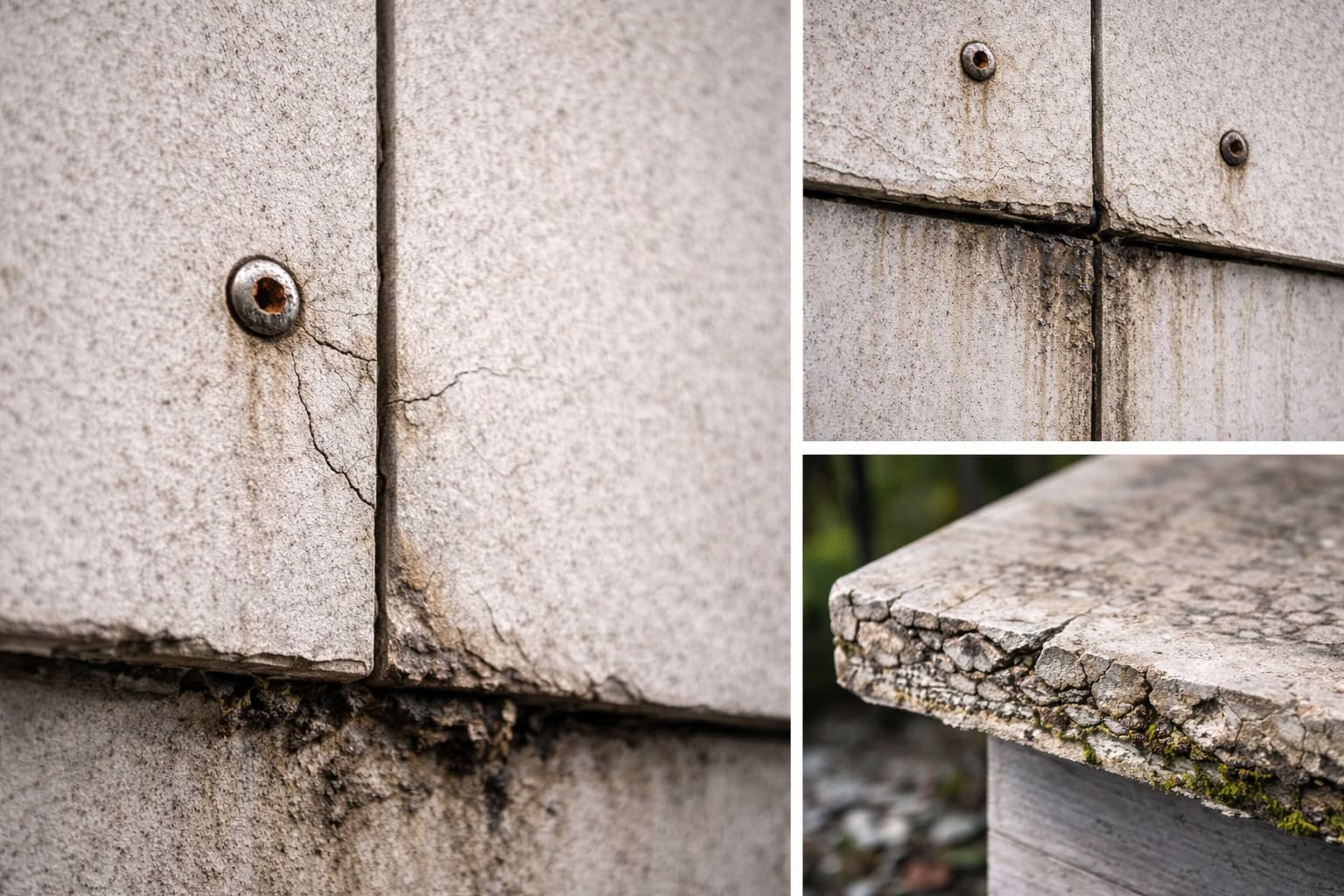
Moisture cycling fatigue in fiber cement boards from repeated wet–dry exposure, causing cracking, fixing stress, and edge deterioration.
Read insight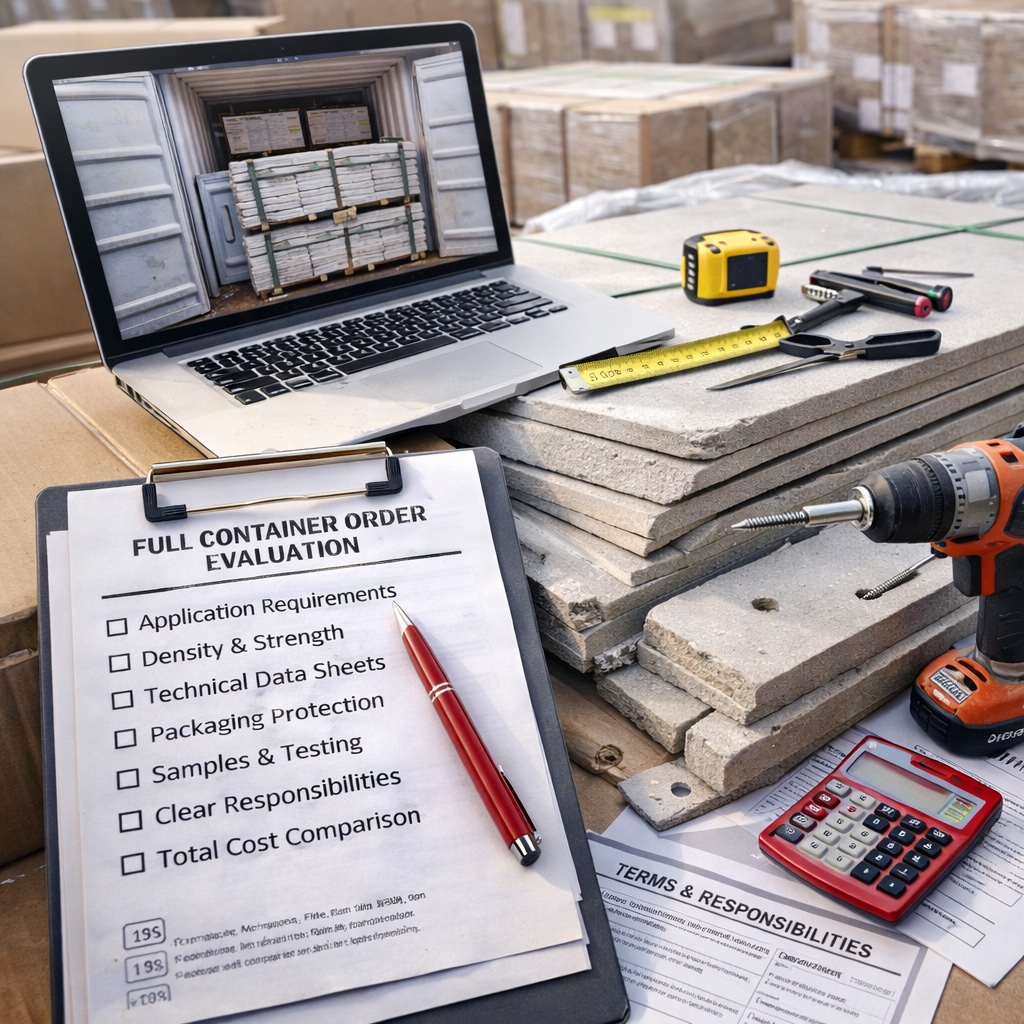
Learn how to choose fiber cement board correctly before placing a full container order and avoid costly selection mistakes.
Read insight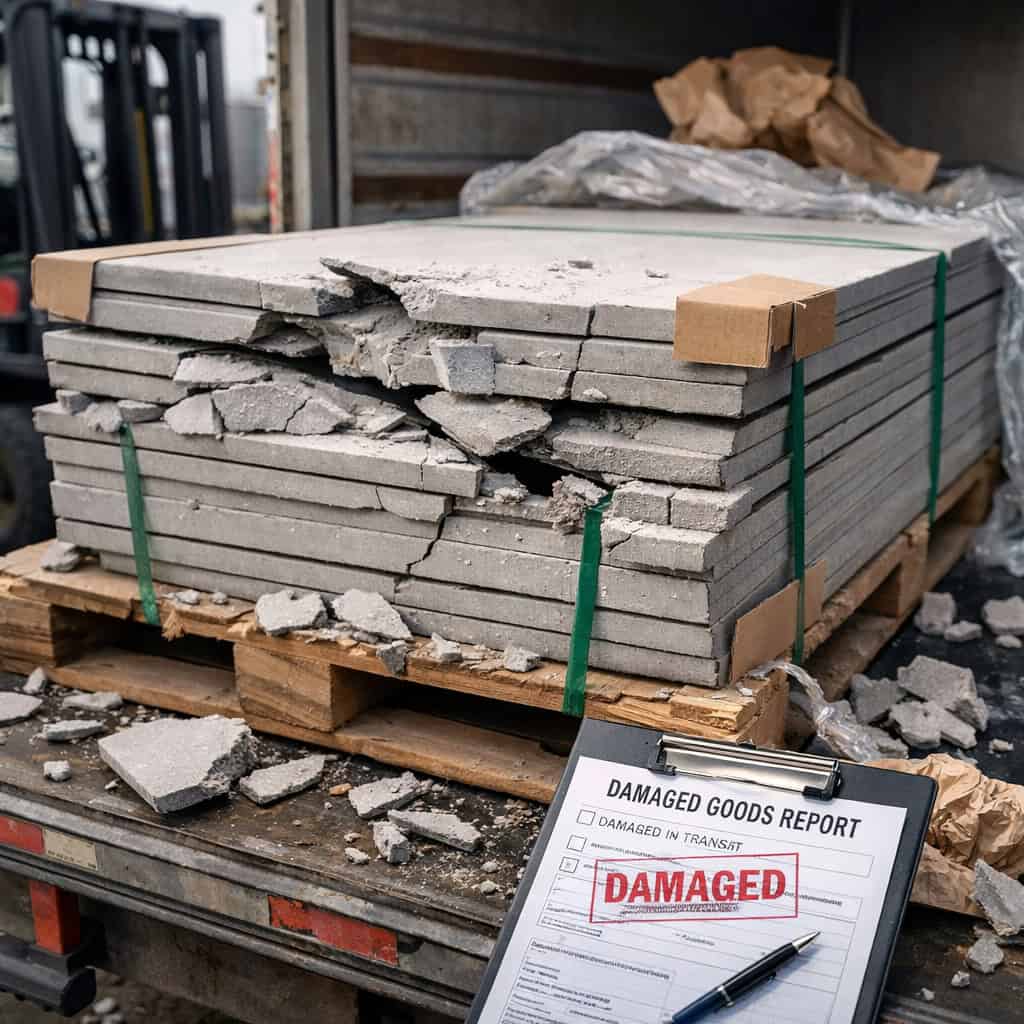
Fiber cement board transport damage causes breakage, disputes, and delays. Learn whether the issue is product quality or logistics.
Read insight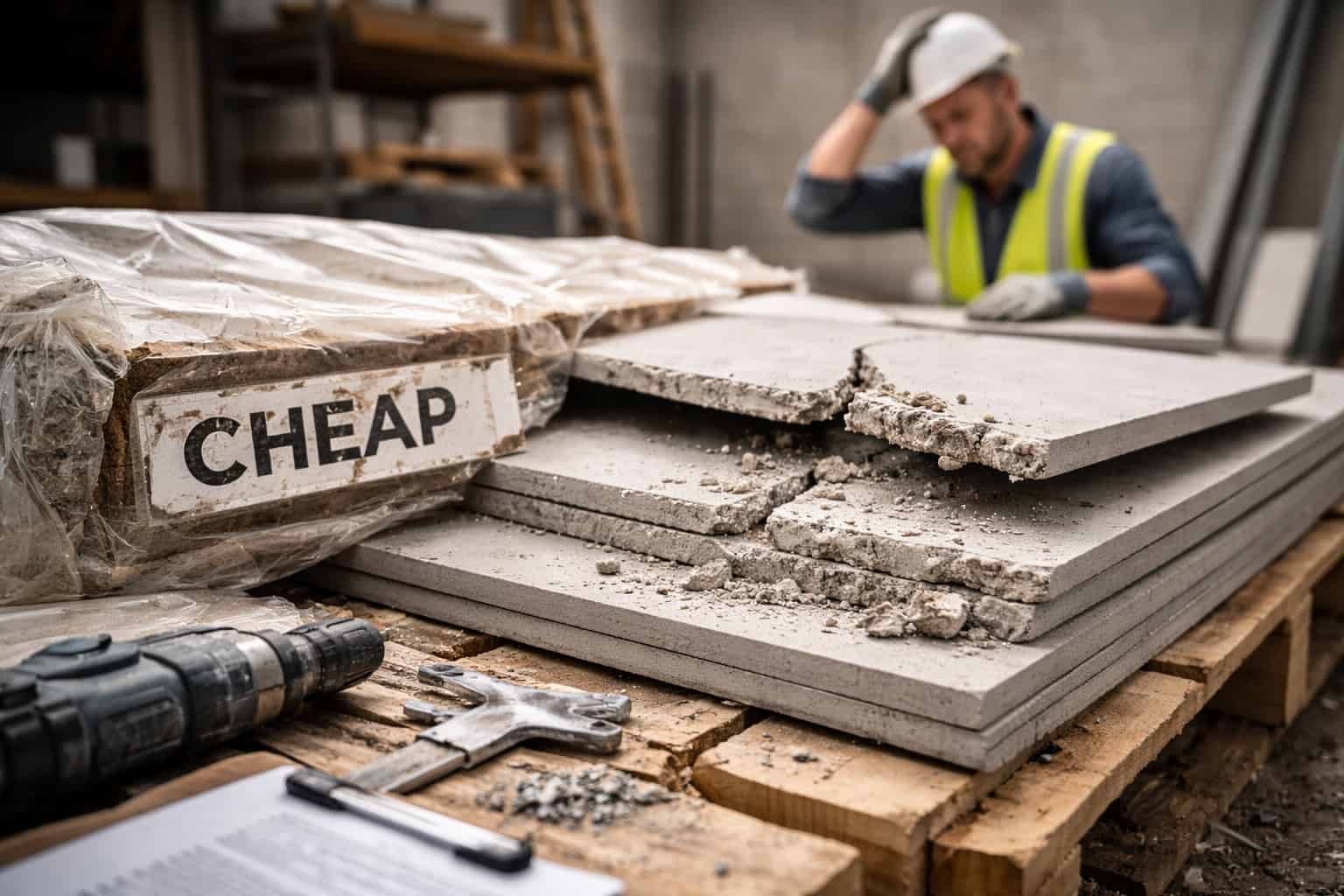
Cheap fiber cement board problems often cause breakage, rework, and delays, resulting in higher long-term construction costs.
Read insight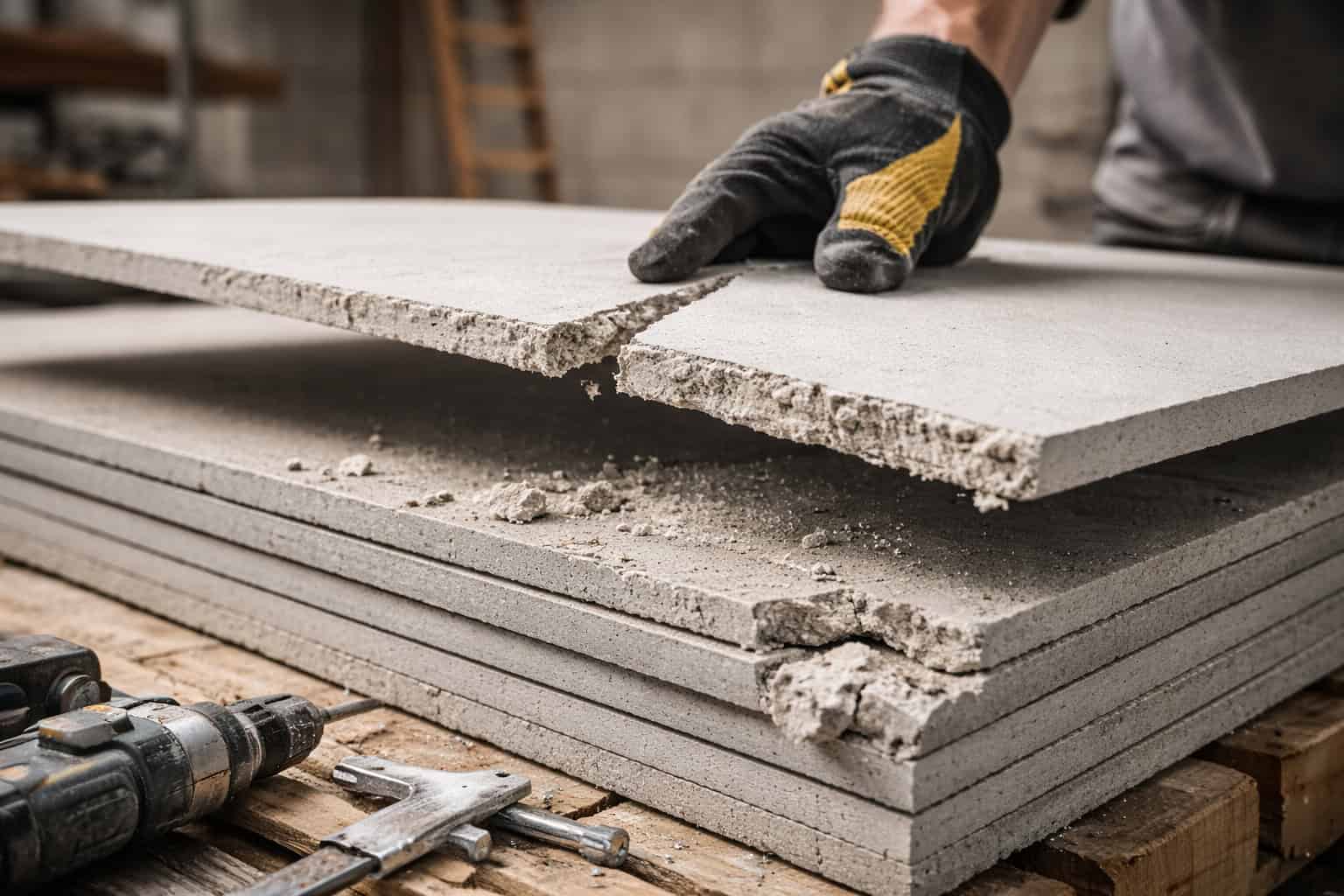
Learn how fiber cement board density affects strength, handling, and installation, and why low-density boards fail on site.
Read insight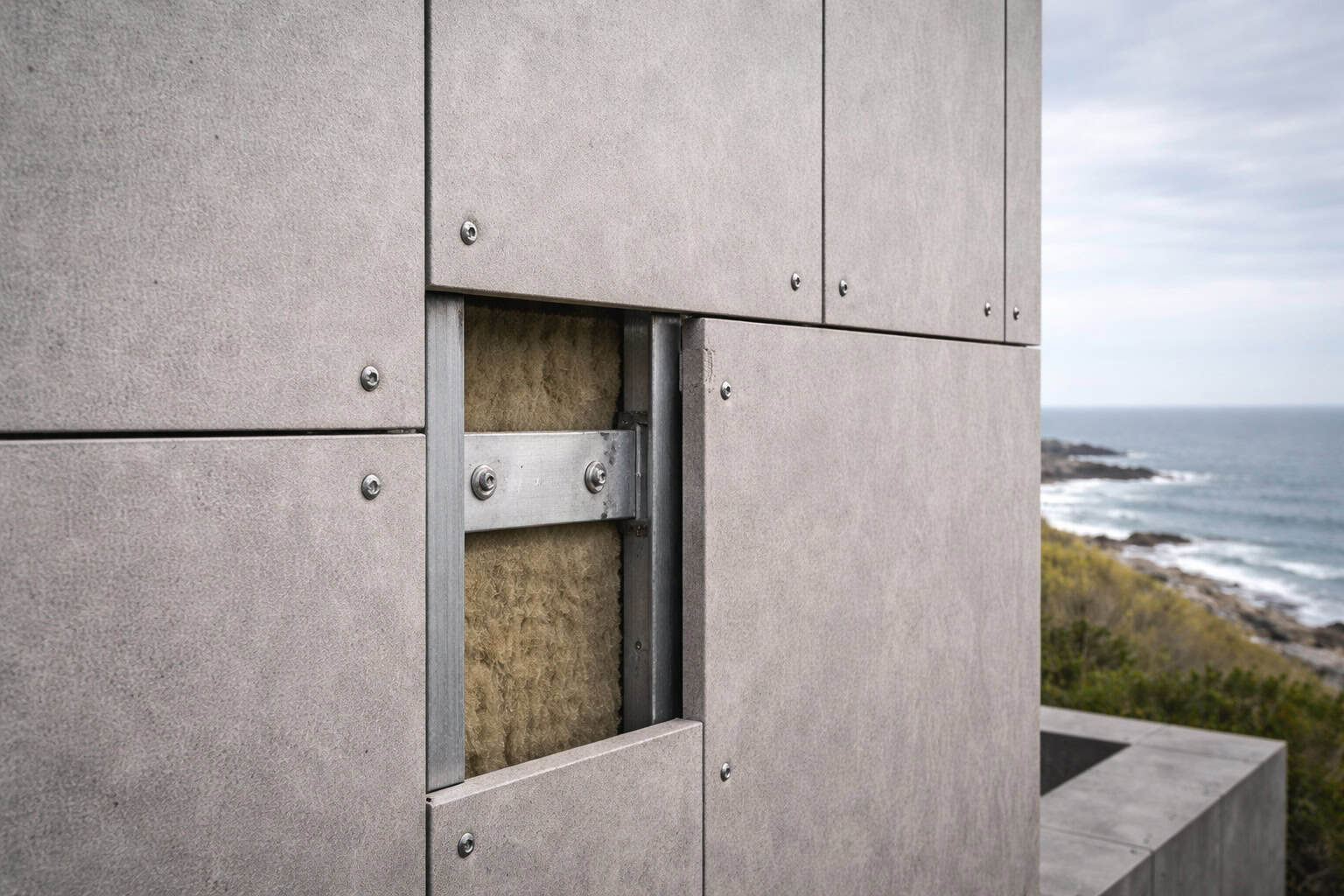
How to select corrosion-resistant fixings for fiber cement boards in external and coastal applications to ensure long-term durability.
Read insight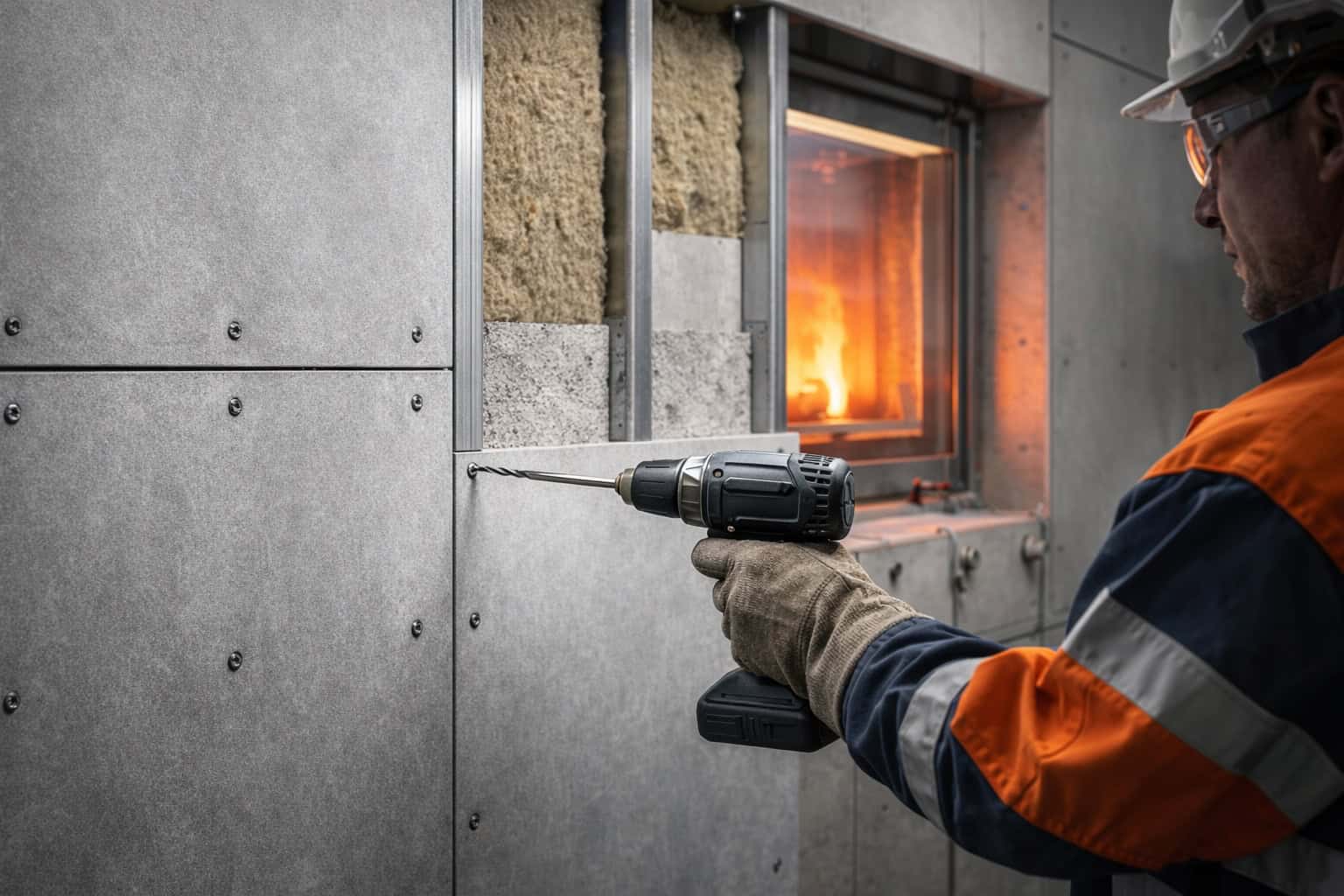
How fire-rated assemblies change fixation requirements for fiber cement boards to ensure safety, fire performance, and long-term durability.
Read insight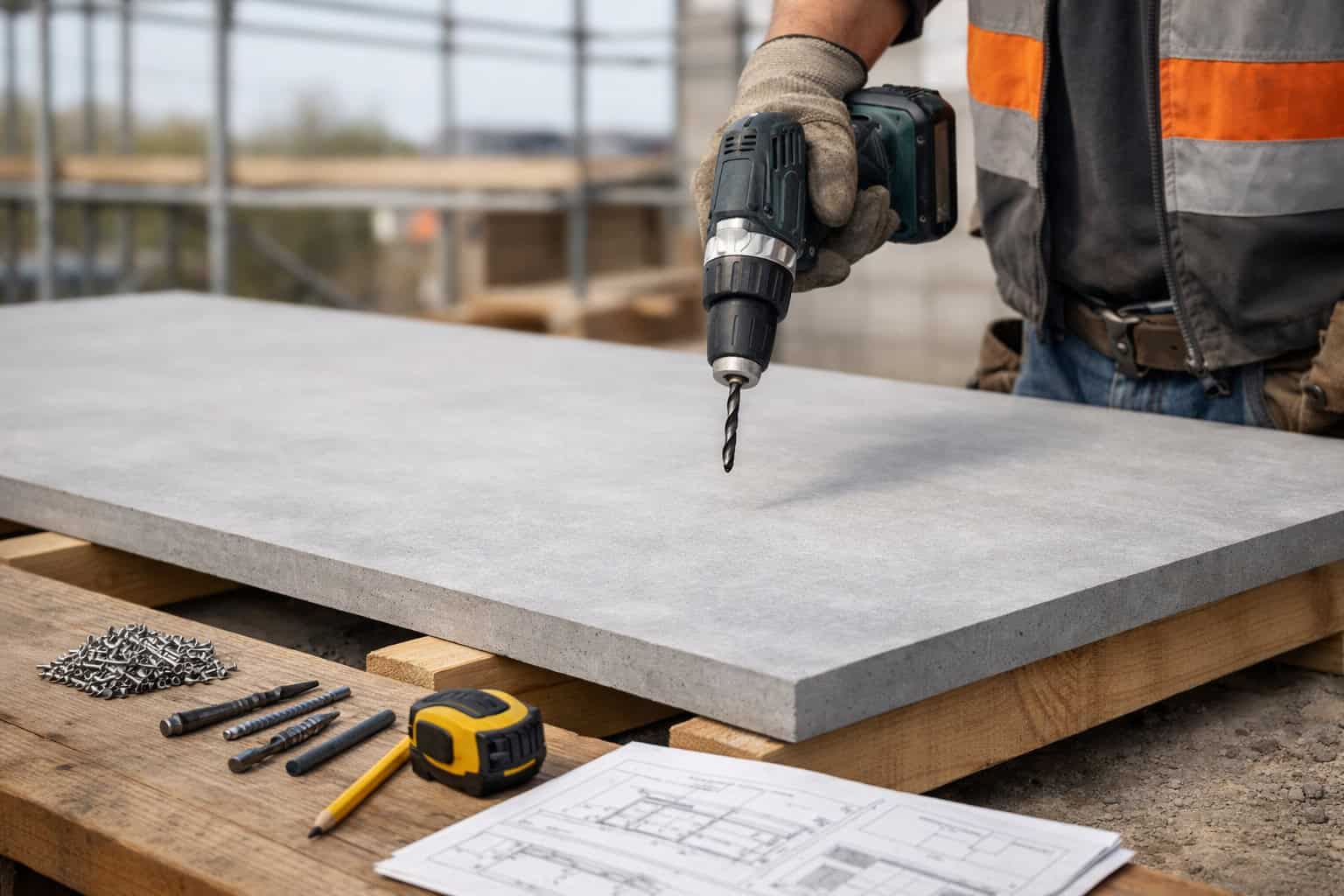
Learn when and why to pre-drill fiber cement boards before fixing to prevent cracking and improve installation accuracy.
Read insight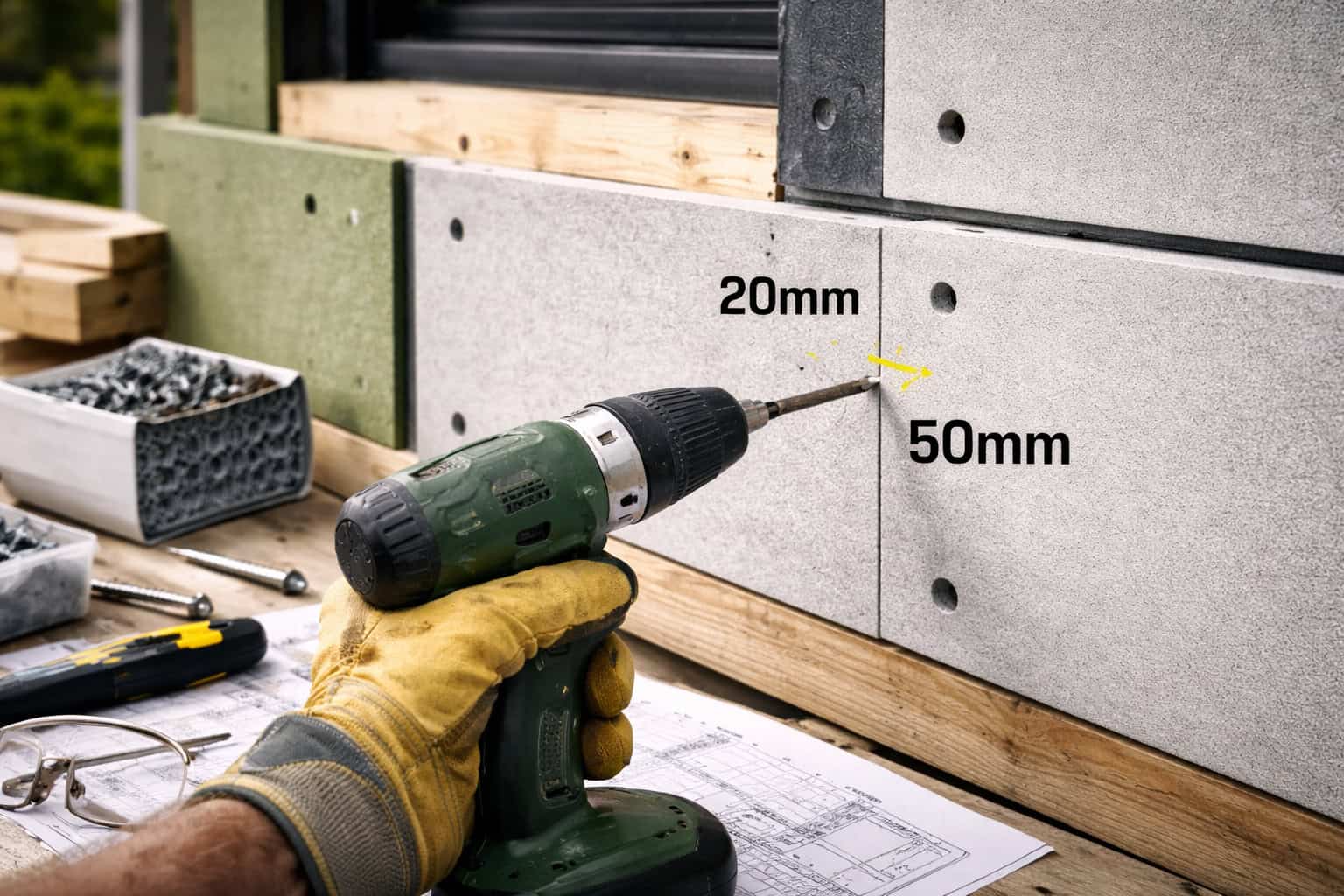
Best practices for edge distances and fixing patterns when installing fiber cement boards to avoid cracking and ensure long-term performance.
Read insight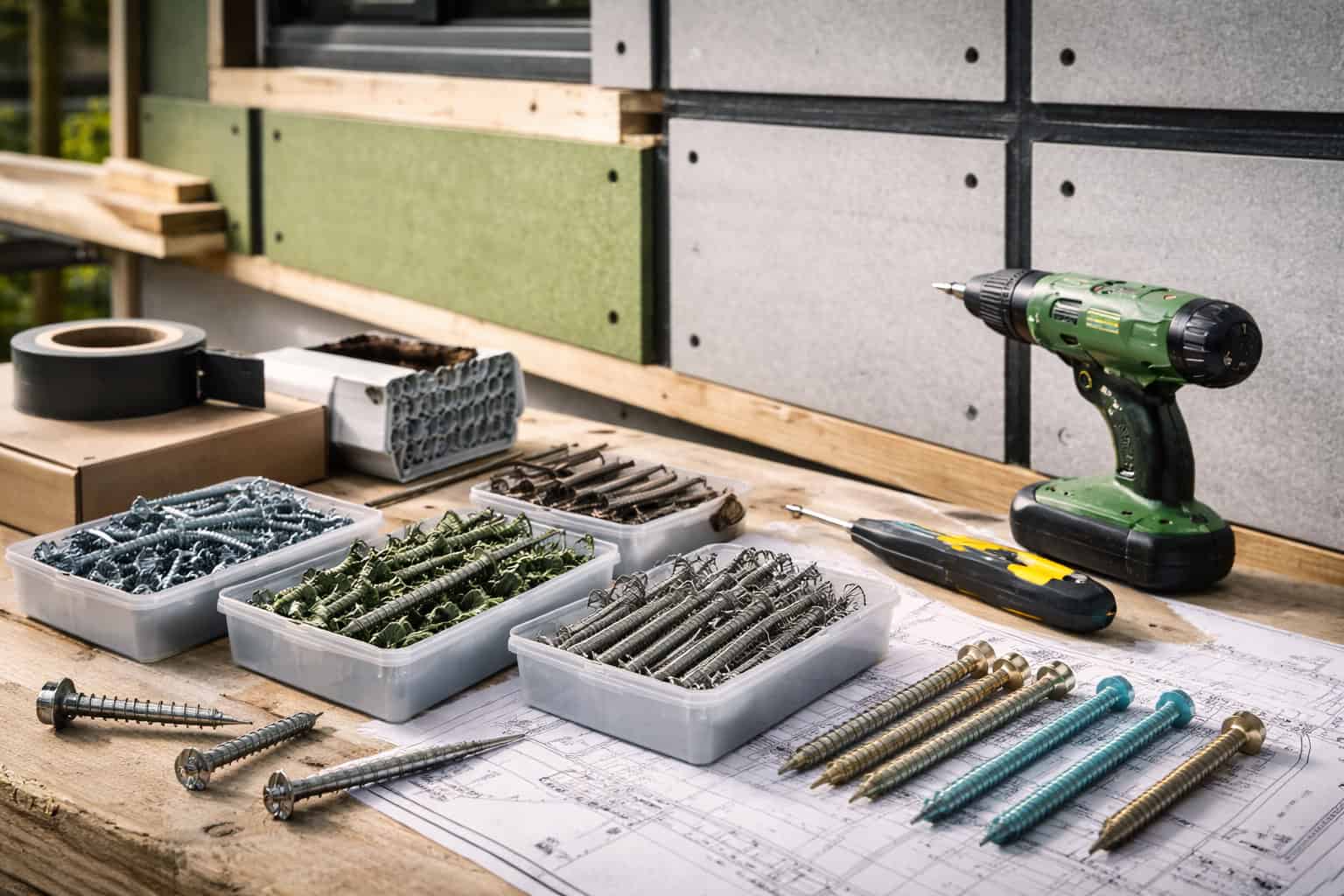
Learn how to select the correct screws and fasteners for fiber cement boards for durable, long-term exterior performance.
Read insight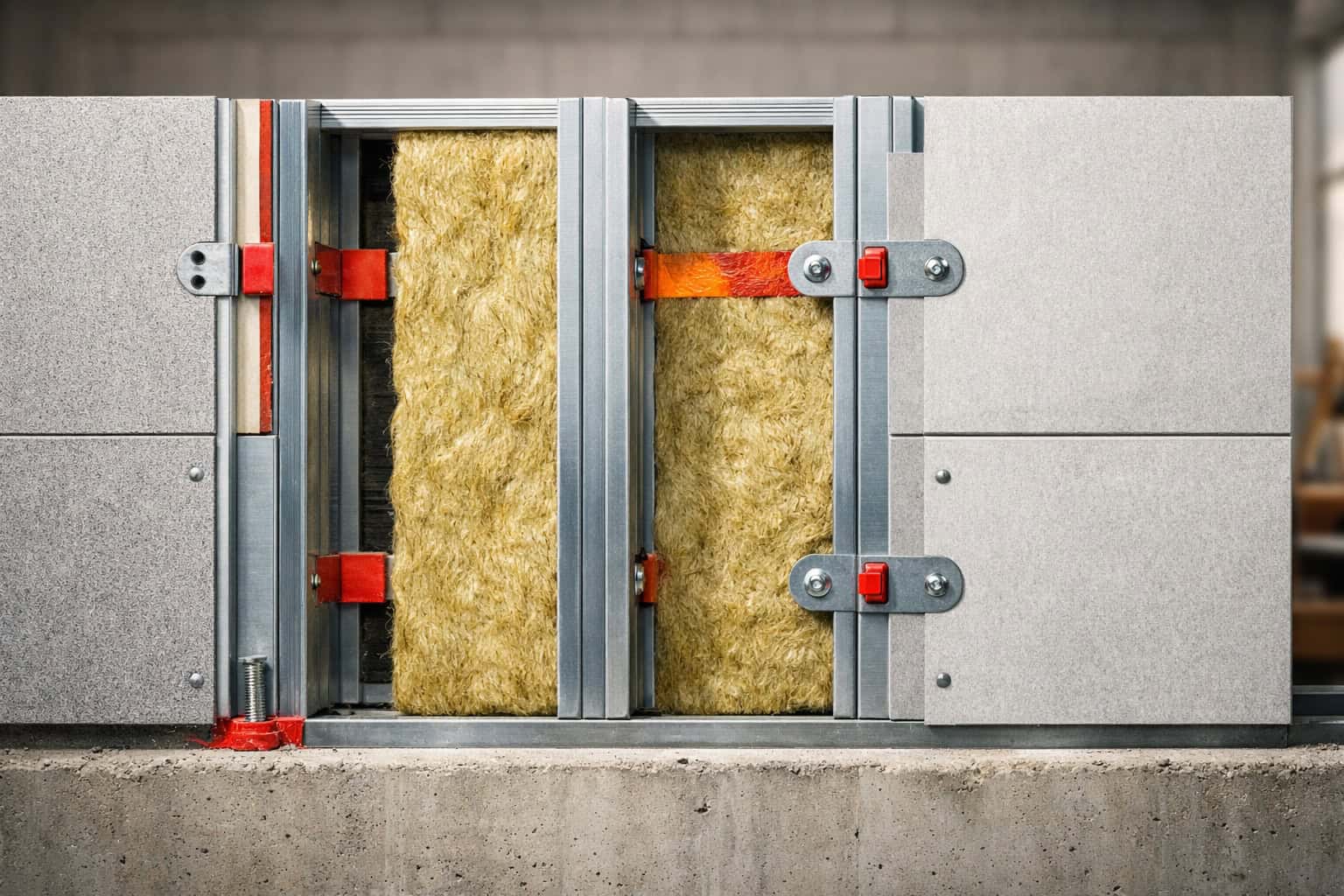
Explore fiber cement boards in fire-rated walls for non-combustibility, durability, and compliance in commercial construction.
Read insight