
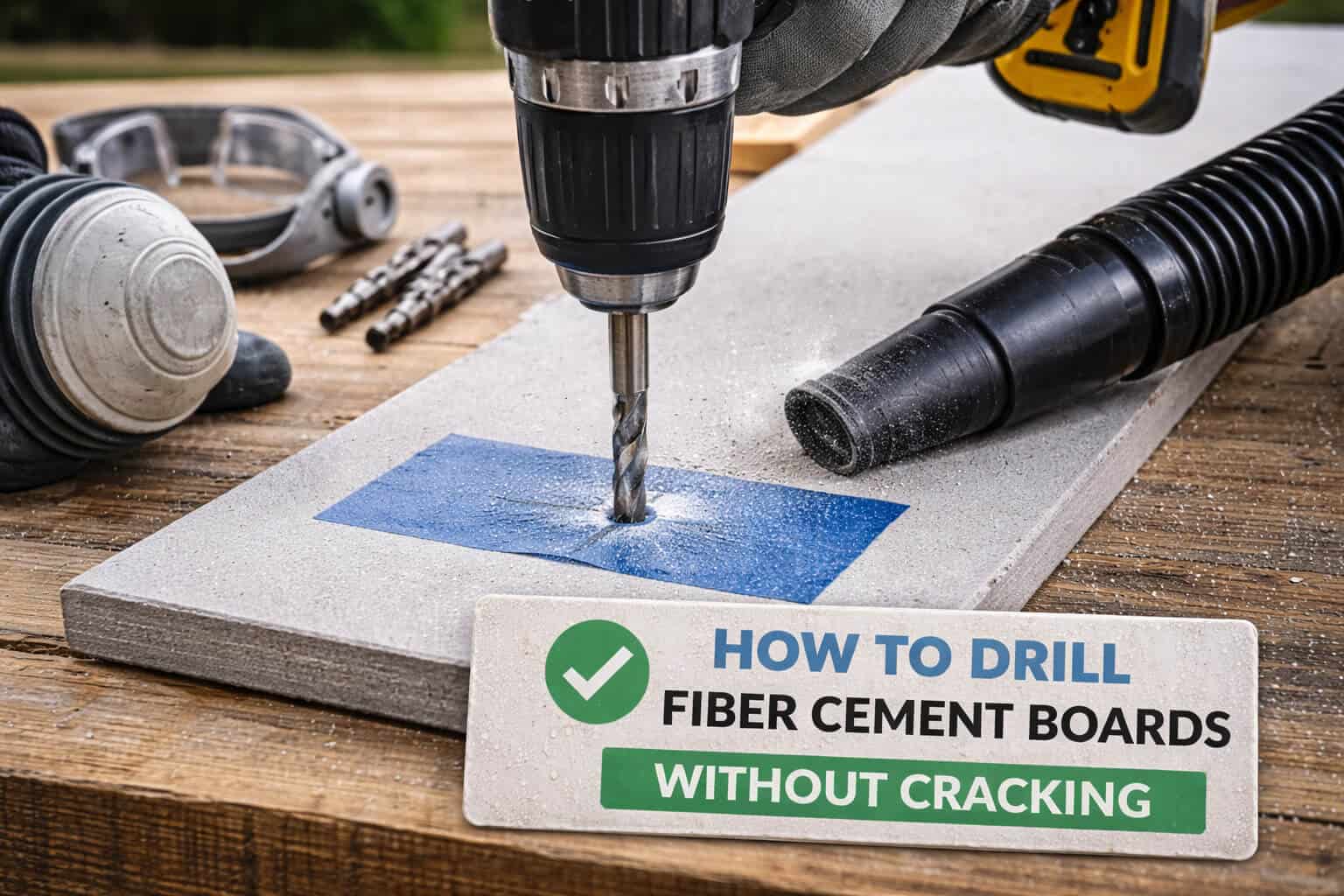
How to Drill Fiber Cement Boards Without Cracking or Burning the Surface
Learn how to drill fiber cement boards without cracking or burning the surface using the right bit, speed, support, and dust control.
Read insight387 preserved articles / Page 4
Technical guidance on façade materials, building boards, installation and international trade.
Archive
Learn how to drill fiber cement boards without cracking or burning the surface using the right bit, speed, support, and dust control.
Read insight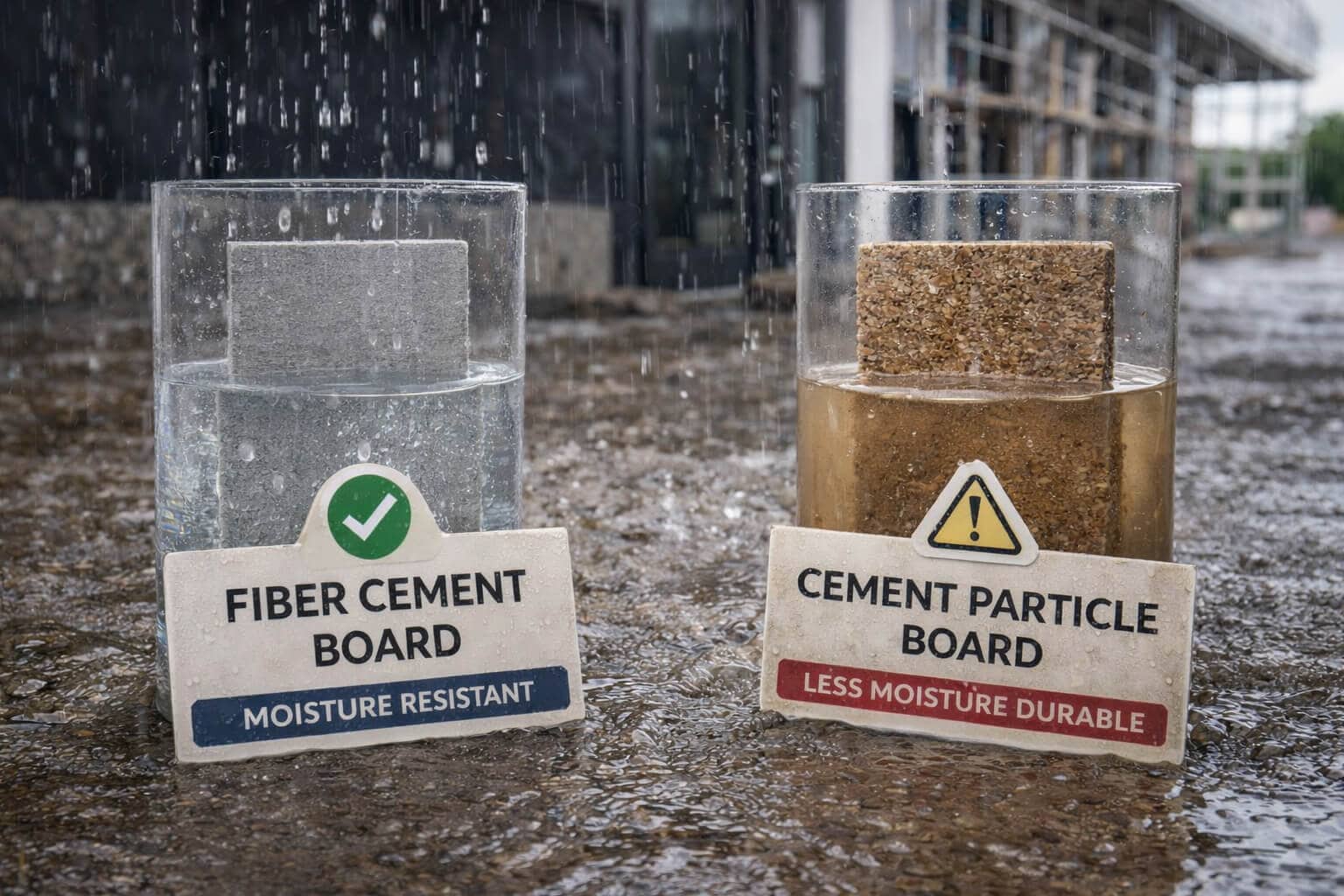
Fiber cement board vs cement particle board: discover which handles moisture more reliably in wet, humid, and exterior applications.
Read insight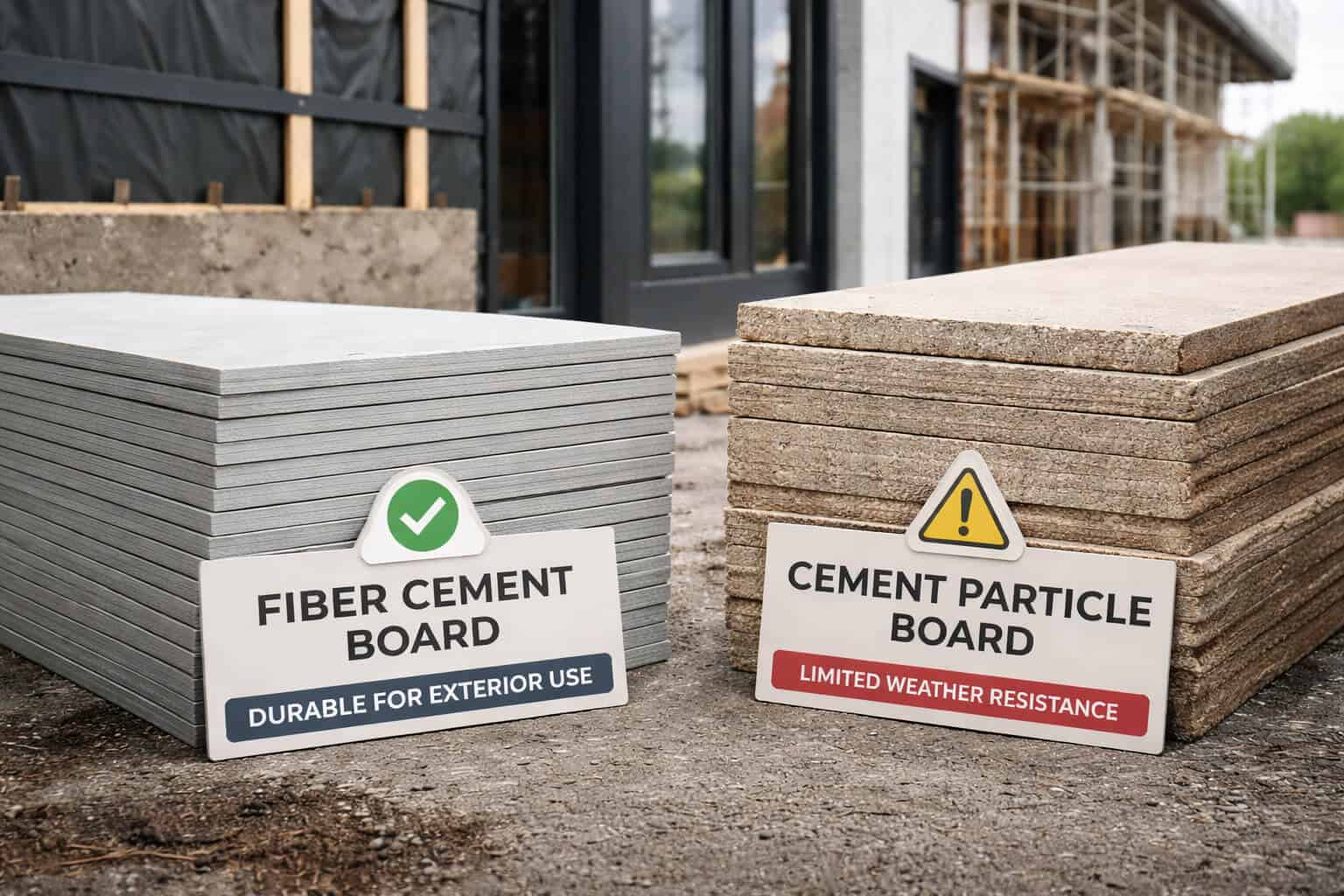
Fiber cement board vs cement particle board: see which board performs better in exterior applications and exposed wall systems.
Read insight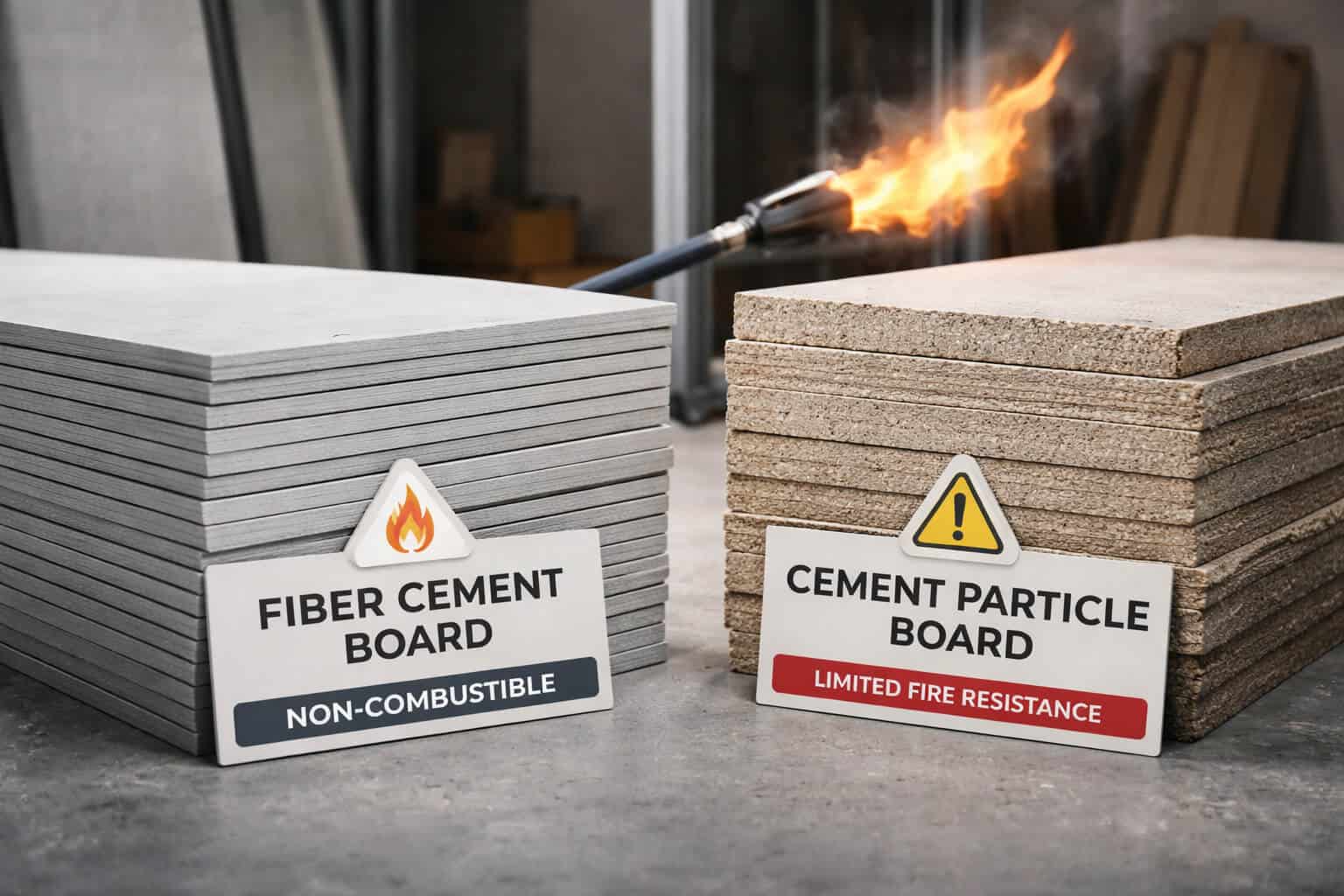
See why fiber cement boards are often the safer choice than cement particle boards in fire-conscious projects.
Read insight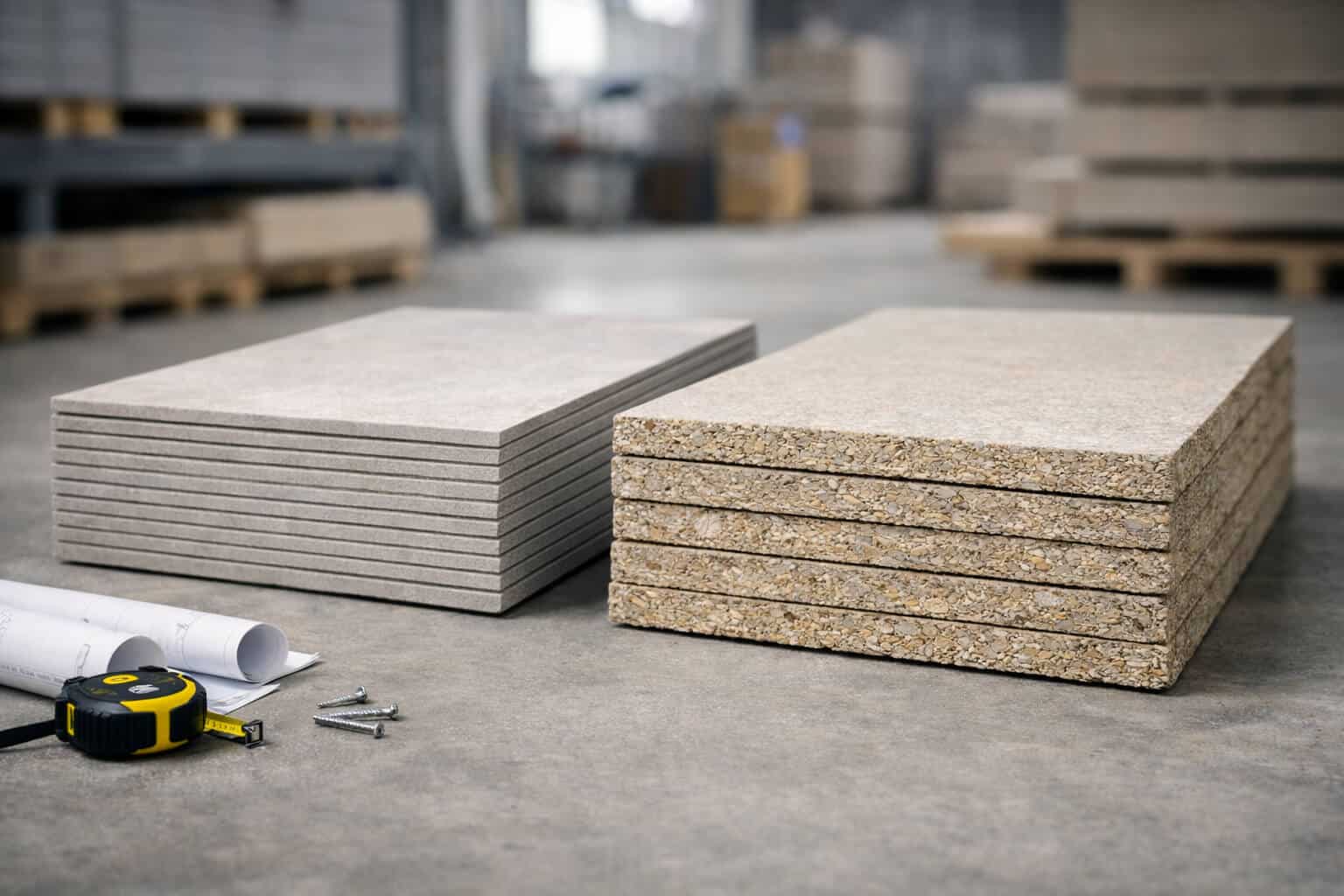
Can fiber cement boards replace cement particle boards in demanding applications? See when they become the better choice.
Read insight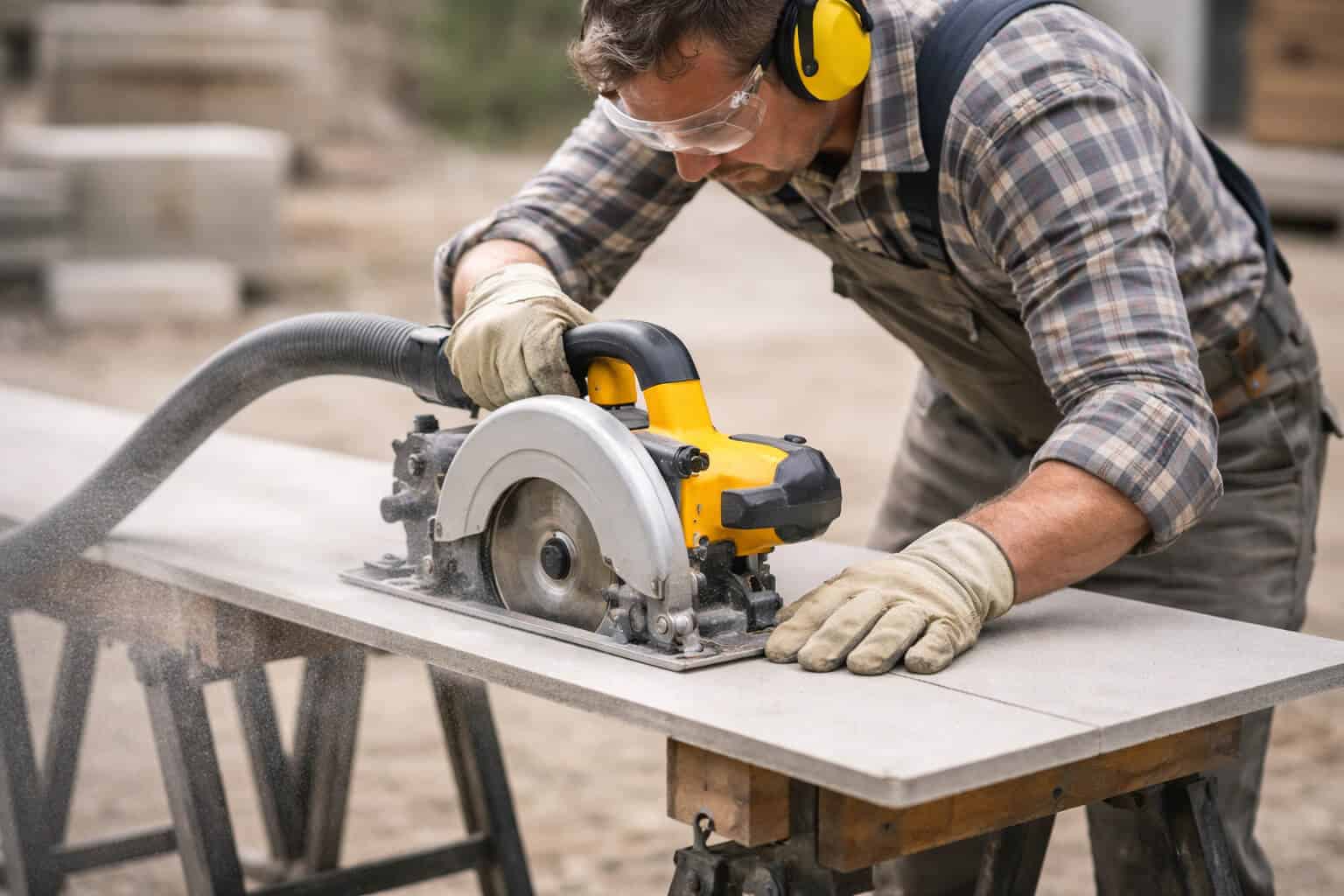
Cut fiber cement boards cleanly on site with the right tools, blades, and techniques for accurate installation.
Read insight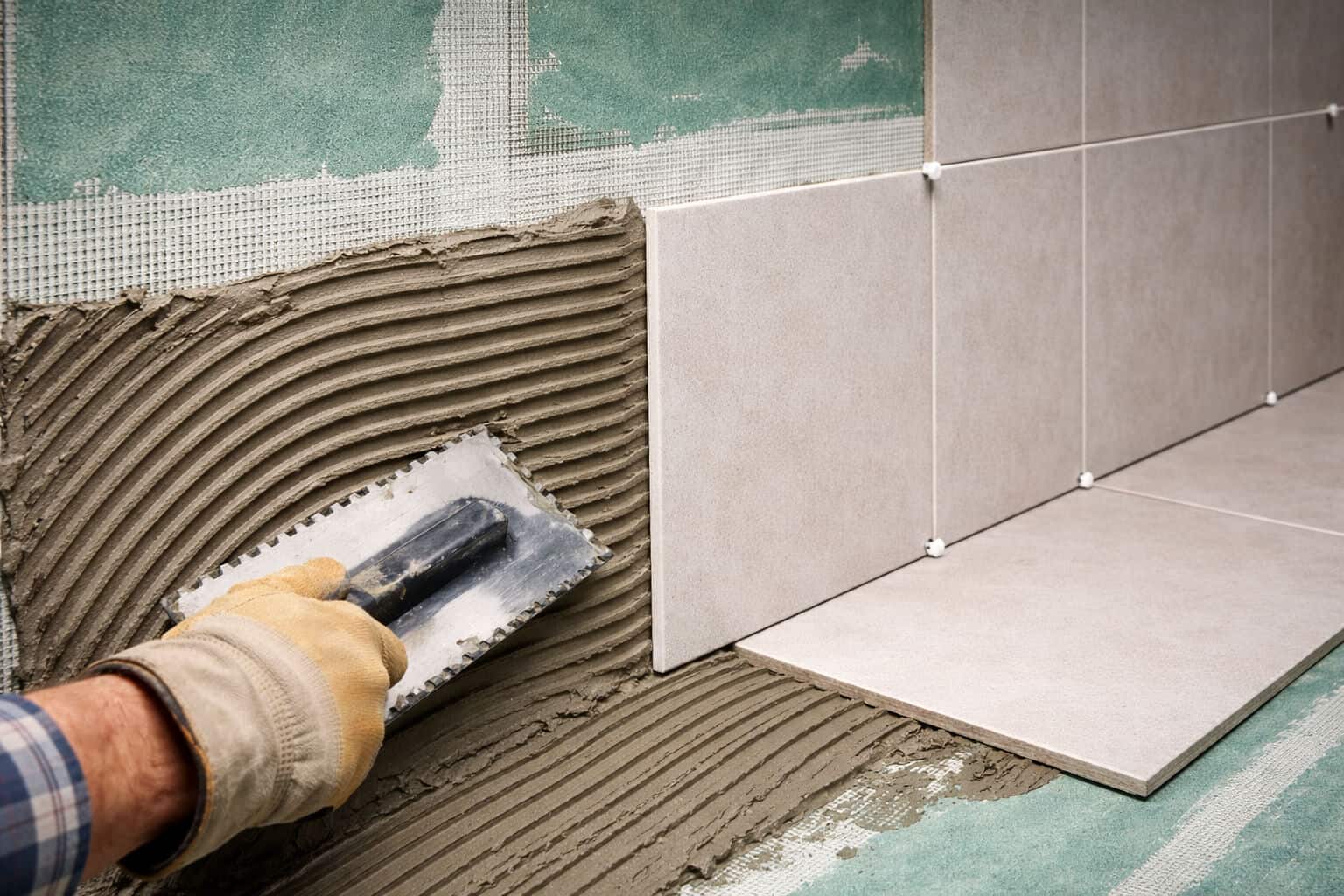
Install tiles over fiber cement boards correctly with proper fixing, joint treatment, waterproofing, and the right adhesive.
Read insight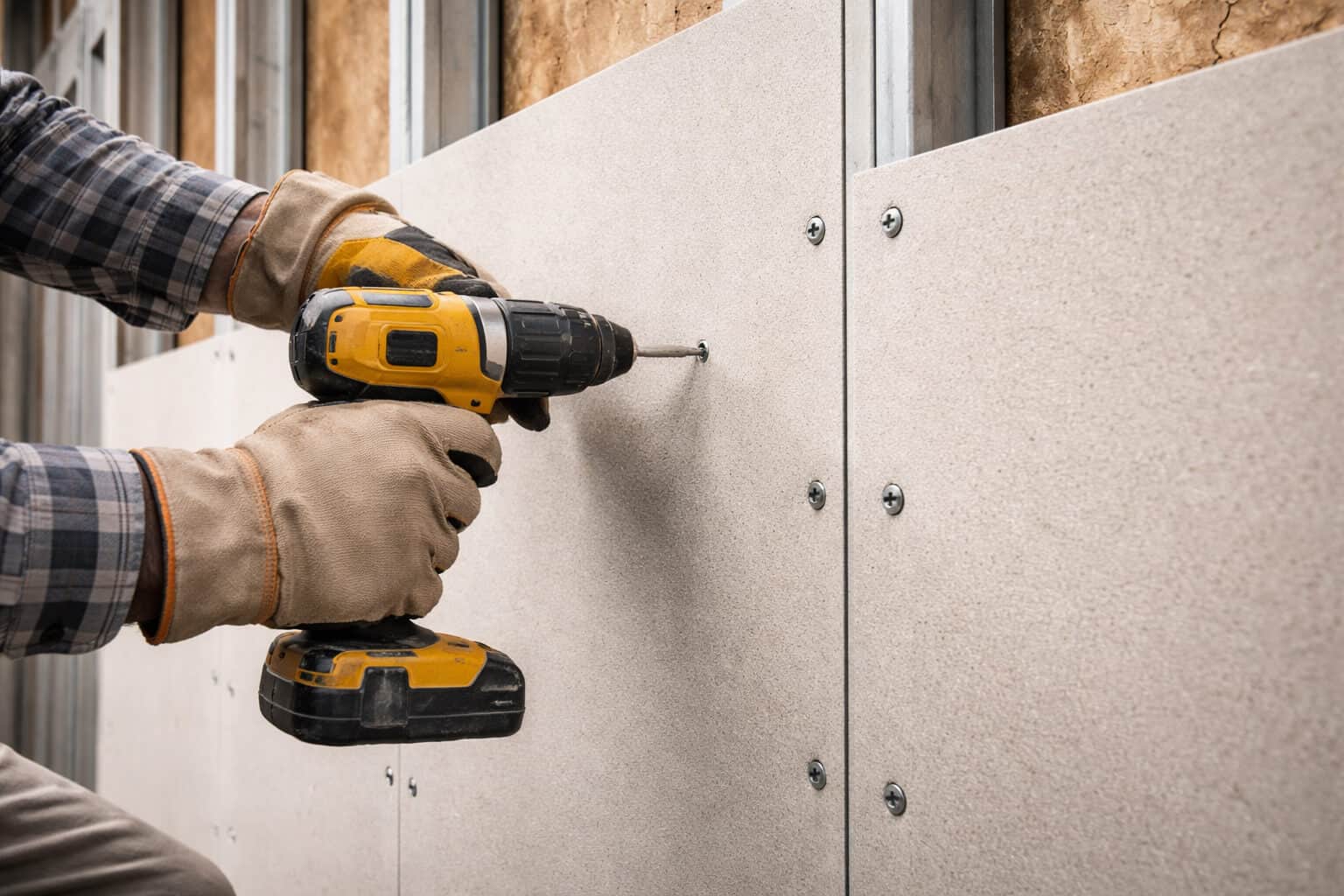
Learn how to prevent fiber cement board from moving with the right fasteners, joint support, fixing layout, and installation practice.
Read insight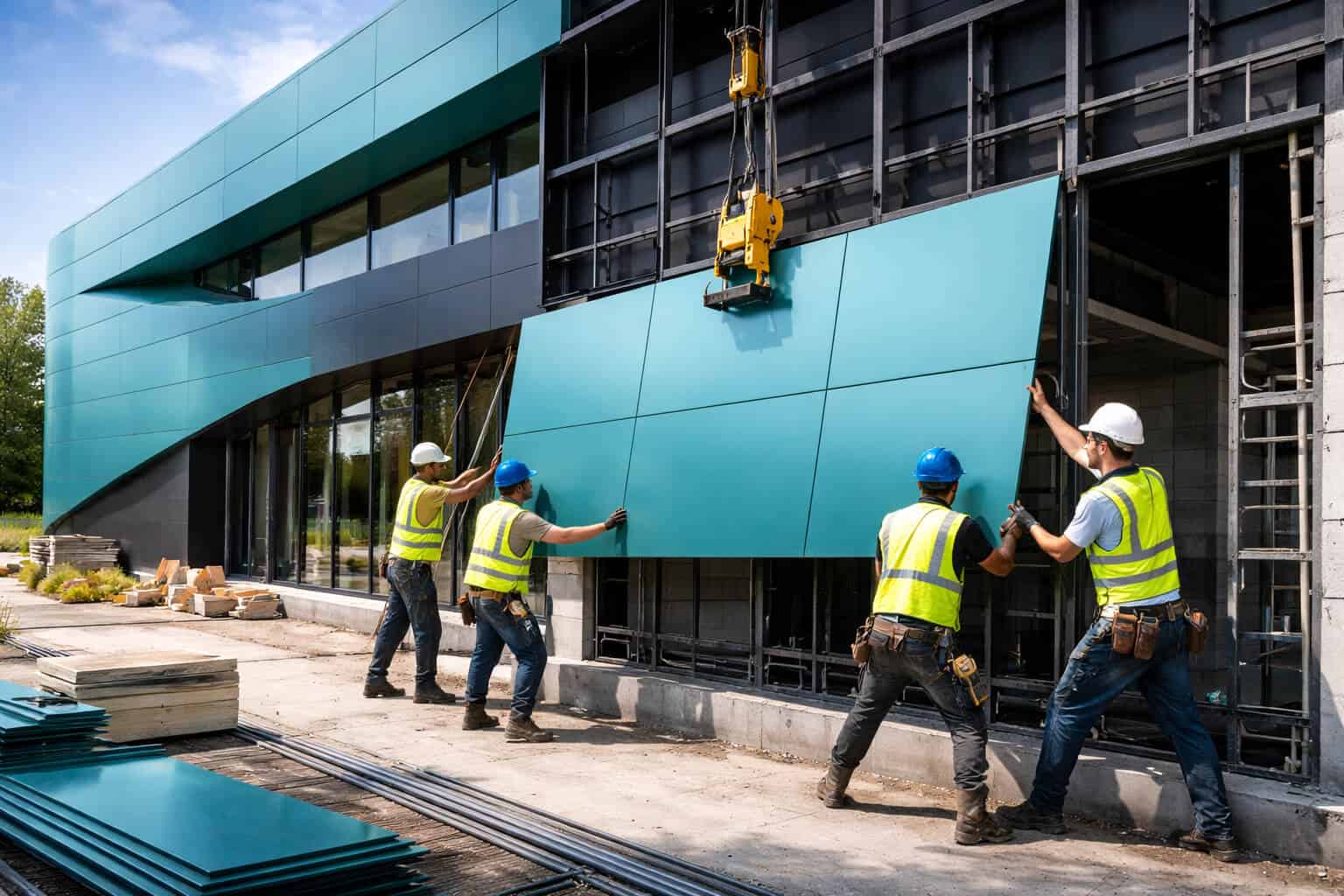
Discover how the lightweight structure of aluminium composite panels helps support faster, cleaner, and more efficient facade installation.
Read insight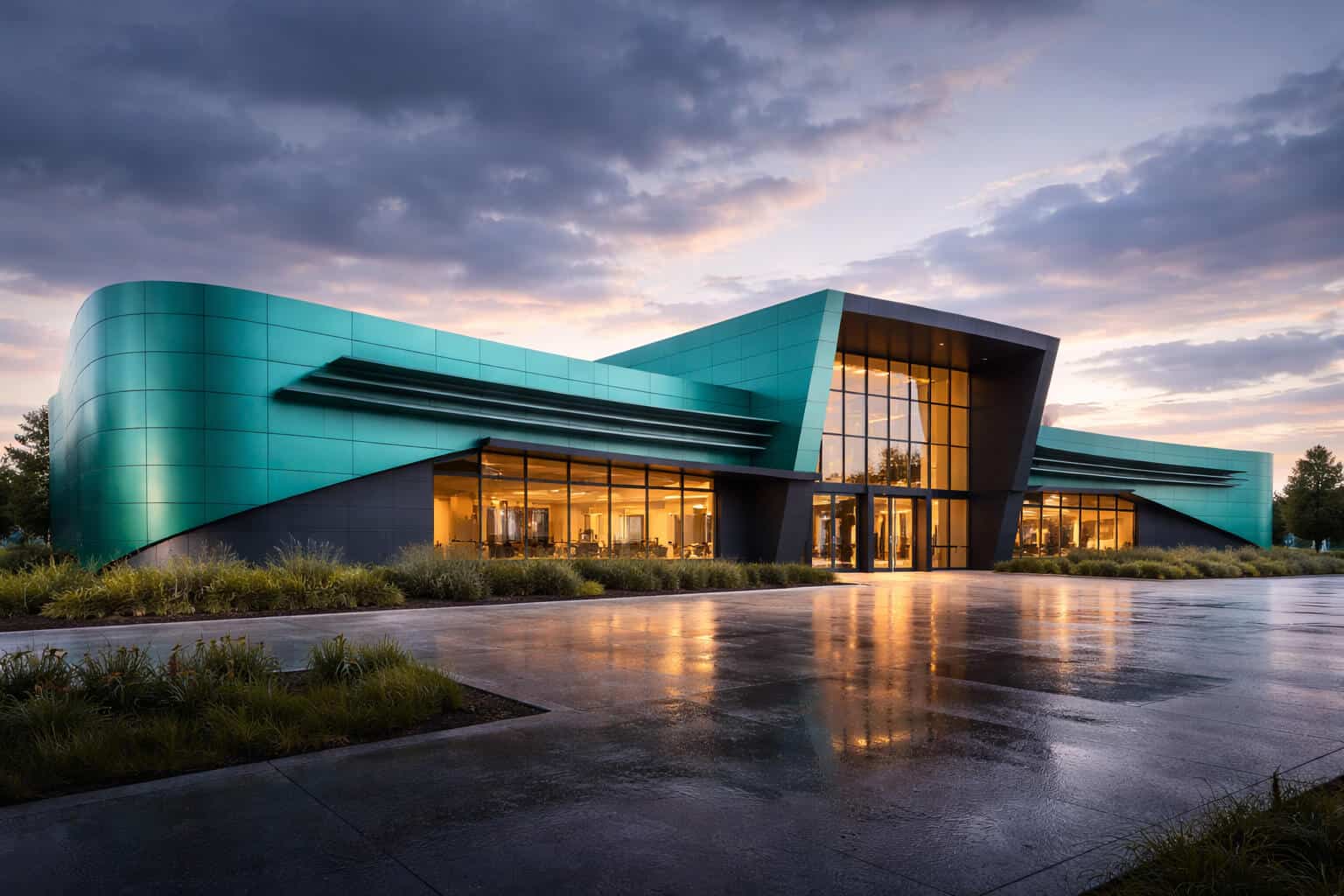
Discover why aluminium composite panels are trusted for clean lines, consistent finishes, and modern facade precision.
Read insight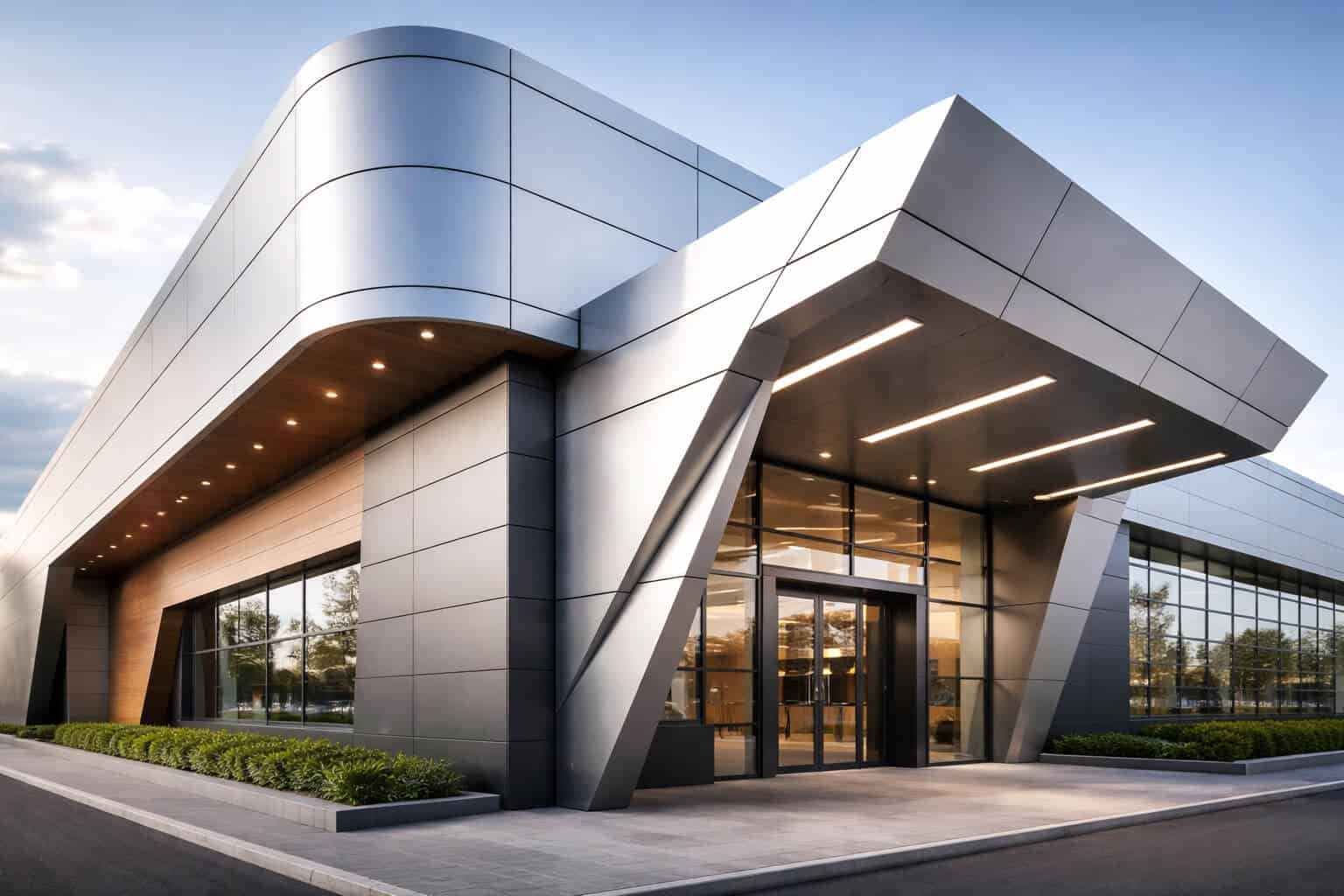
Discover how aluminium composite panels can be fabricated into custom shapes for modern, precise, and visually striking facades.
Read insight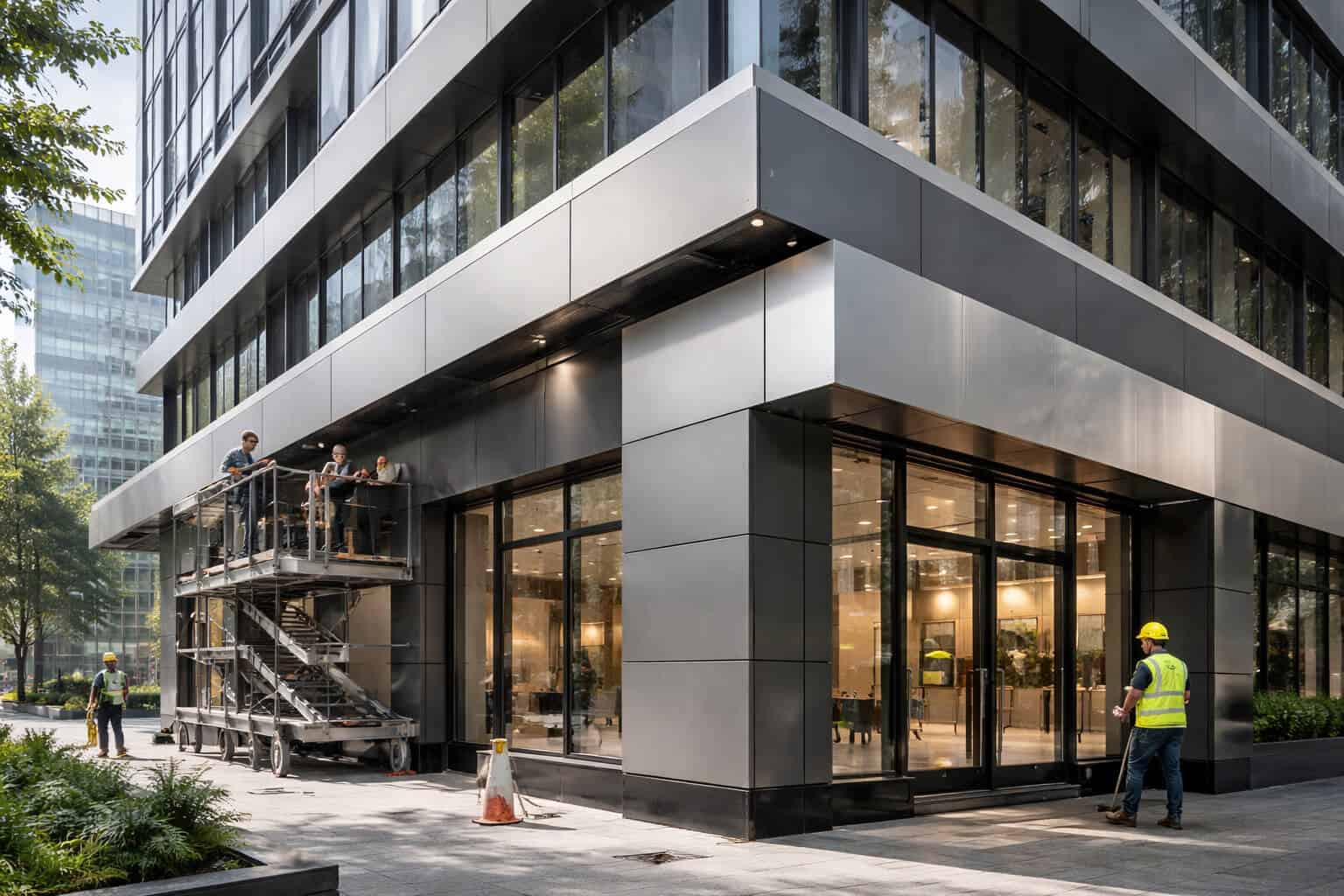
Discover why aluminium composite panels are a smart choice for renovation projects and modern facade upgrades.
Read insight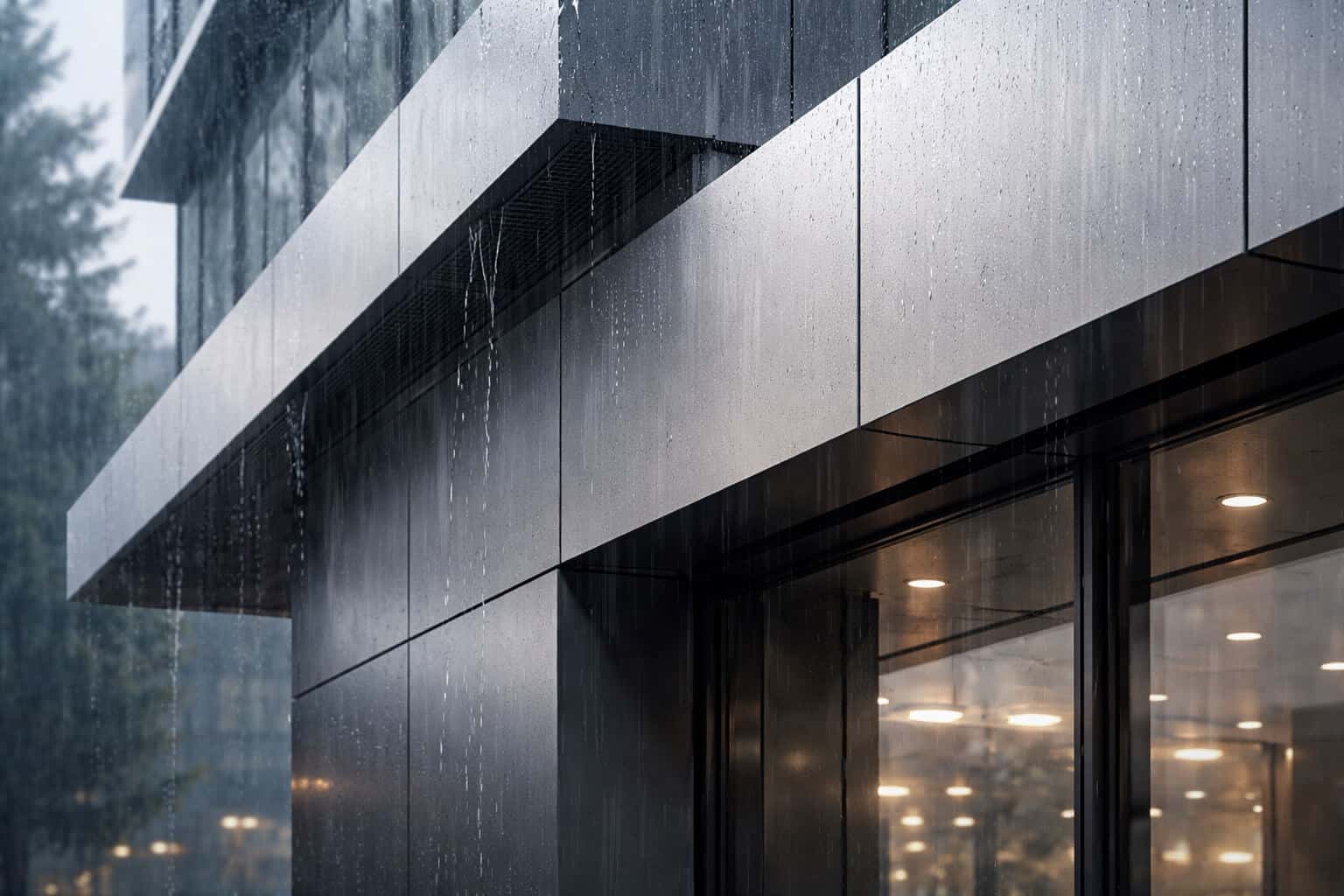
Can aluminium composite panels withstand harsh weather? Learn why ACP is a durable and reliable facade solution.
Read insight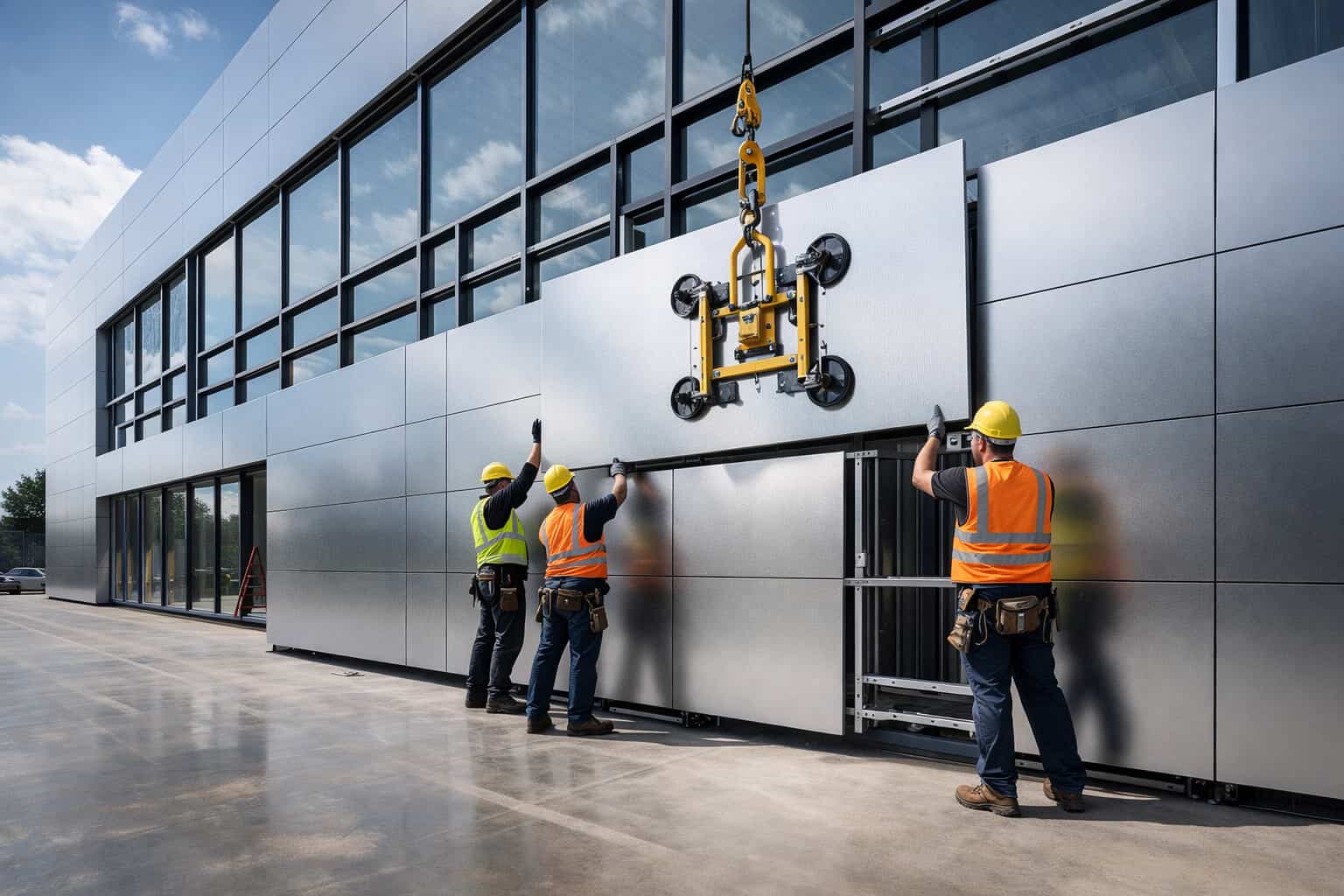
Are aluminium composite panels easy to install? Discover how ACP simplifies facade installation with speed, precision, and efficiency.
Read insight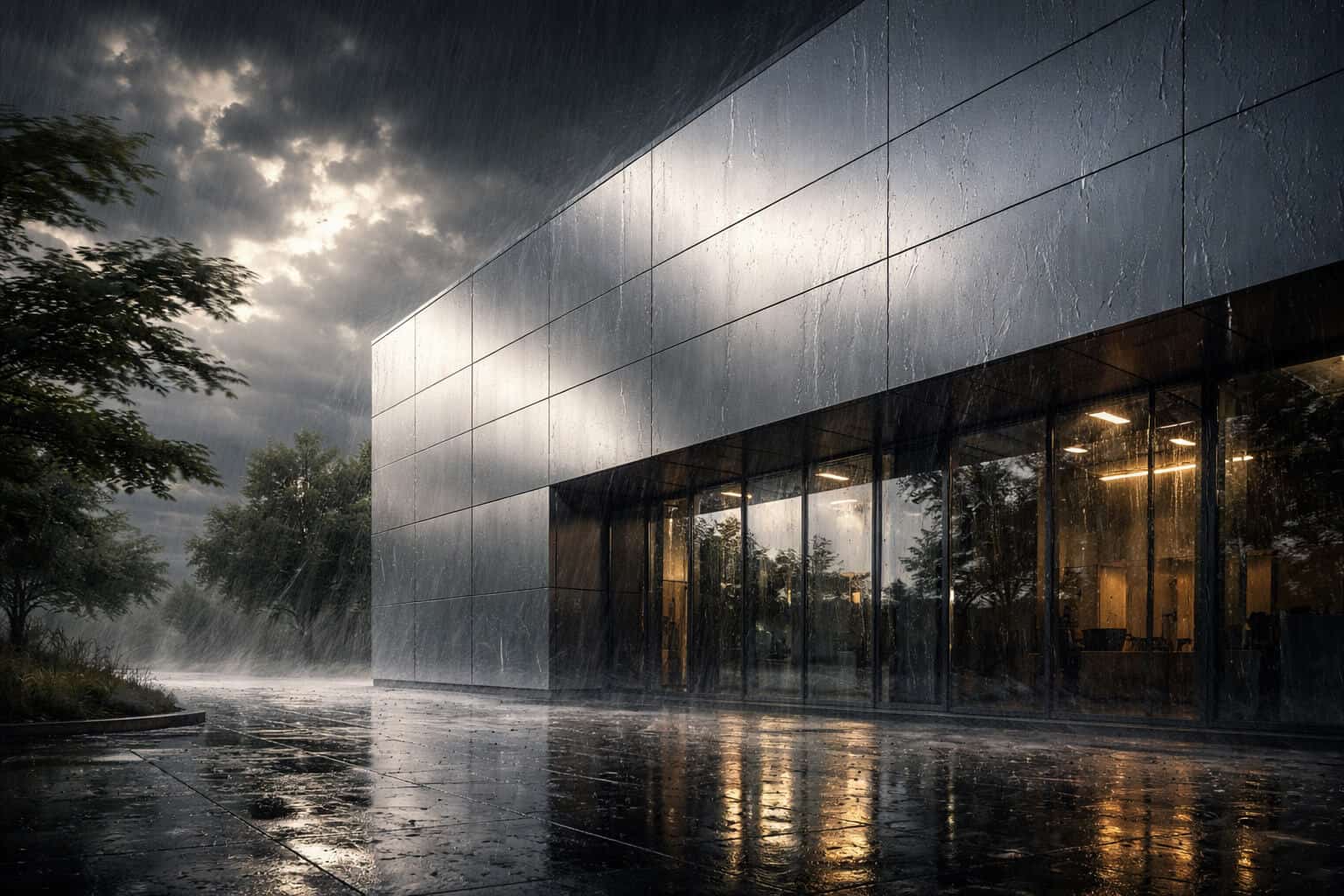
Are aluminium composite panels durable outdoors? Discover how ACP handles weather, UV, and long-term façade performance.
Read insight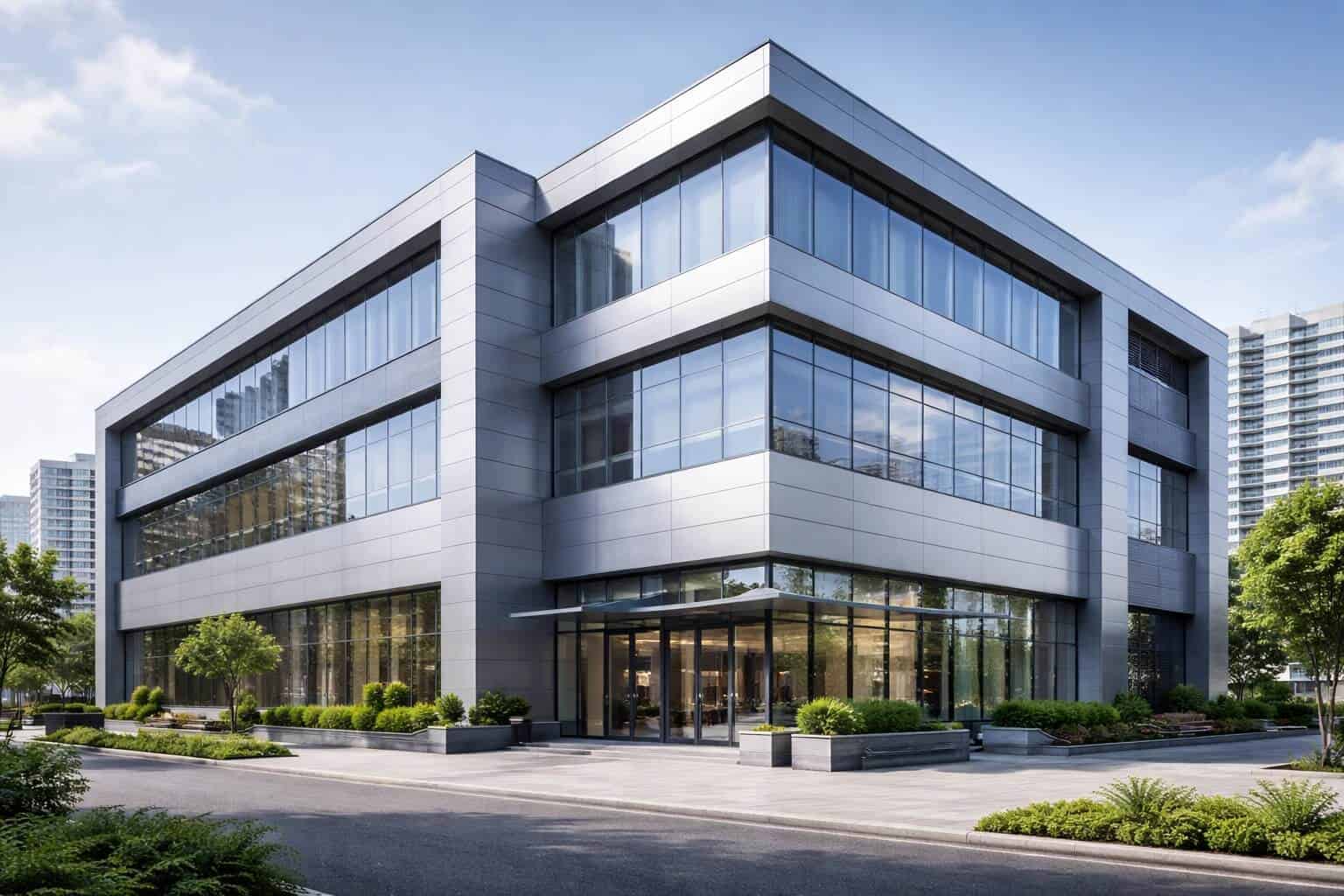
Discover why aluminium composite panels are widely used in commercial buildings for modern design and efficient installation.
Read insight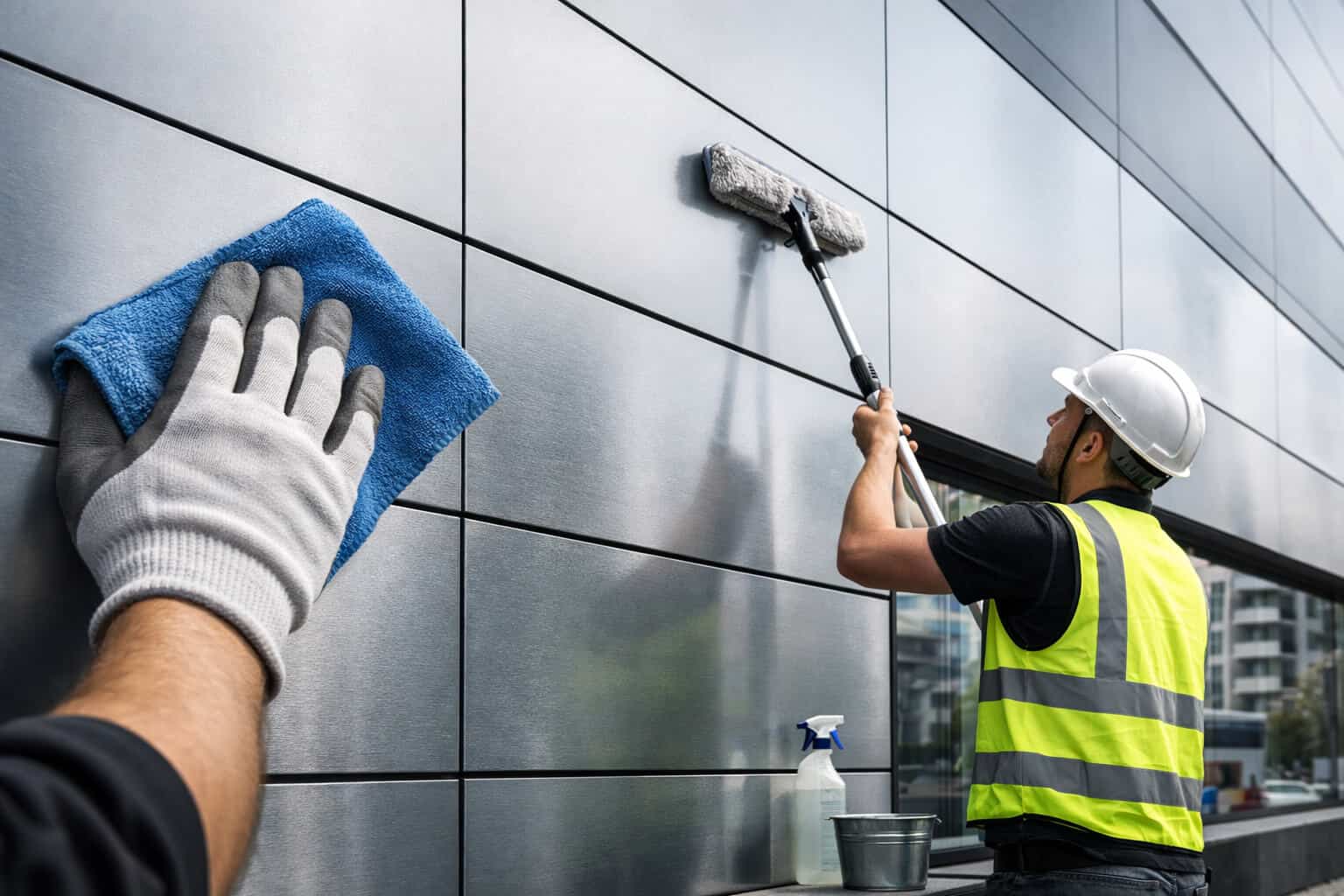
Discover why aluminium composite panels are a low-maintenance façade solution with easy cleaning and lasting visual appeal.
Read insight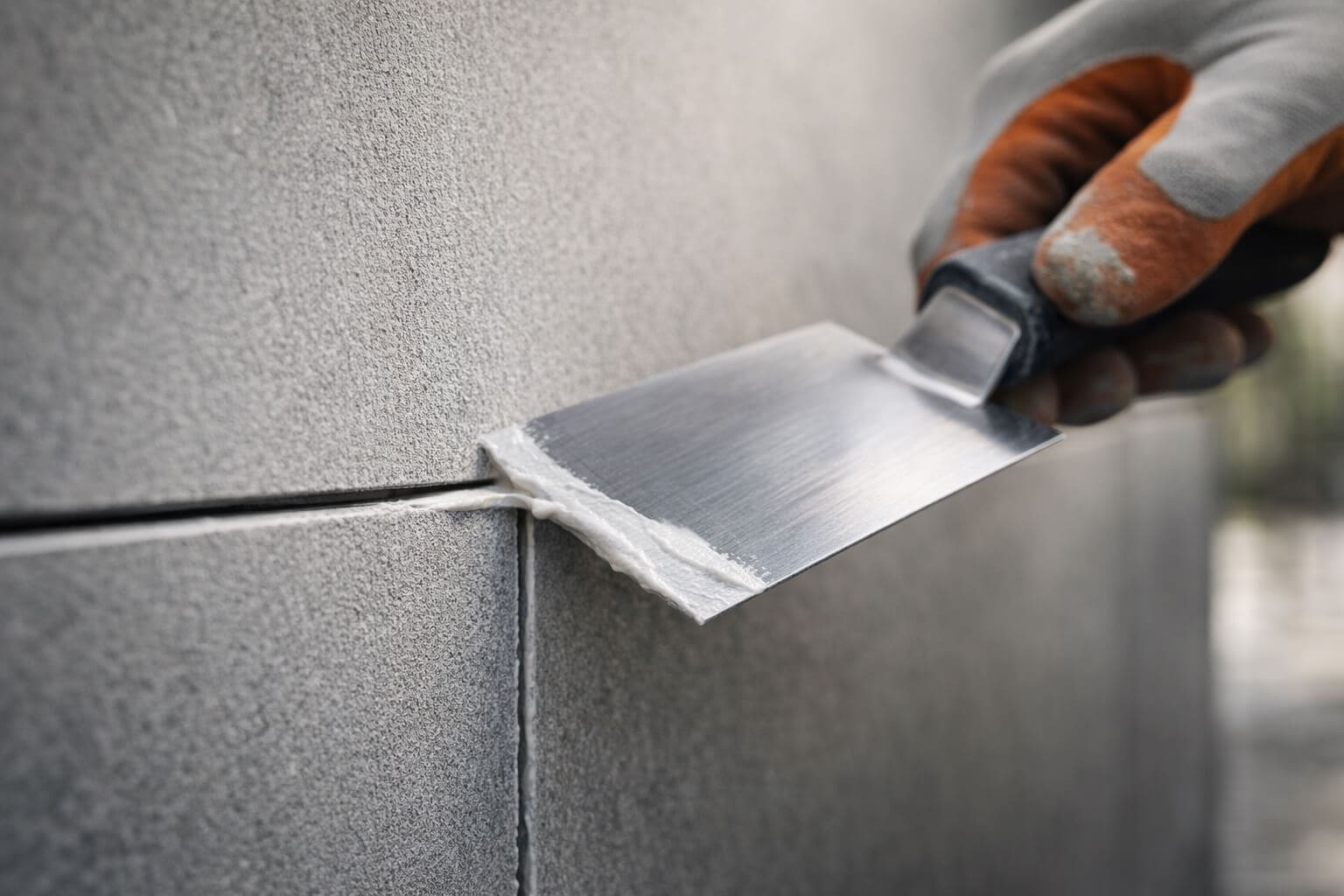
Fill joints between fiber cement boards properly to prevent water ingress, allow movement, and improve long-term durability.
Read insight