
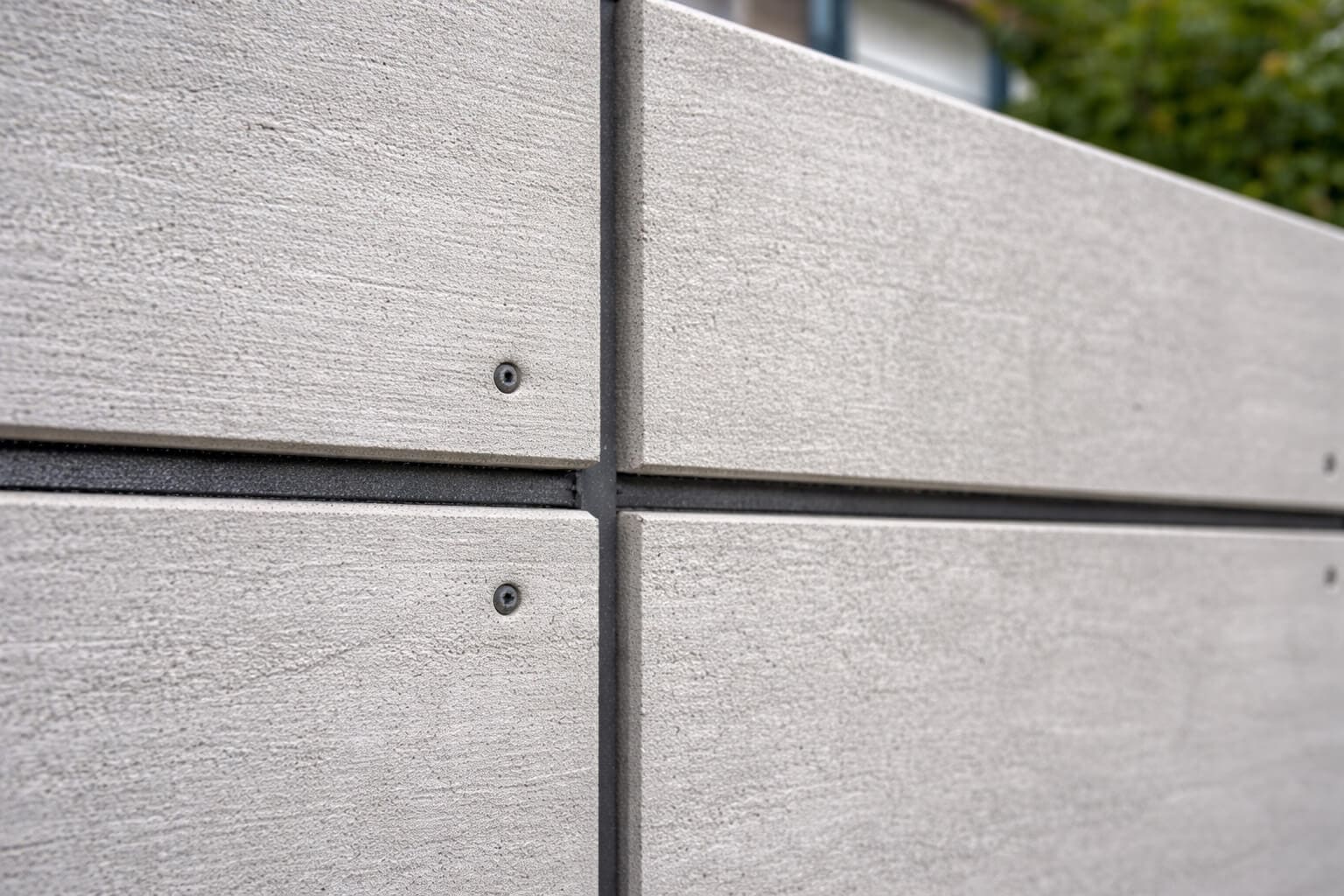
What Happens If You Don’t Leave Expansion Gaps in Fiber Cement Boards?
Expansion gaps fiber cement boards are essential to prevent cracking, warping, and joint failure during installation.
Read insight387 preserved articles / Page 5
Technical guidance on façade materials, building boards, installation and international trade.
Archive
Expansion gaps fiber cement boards are essential to prevent cracking, warping, and joint failure during installation.
Read insight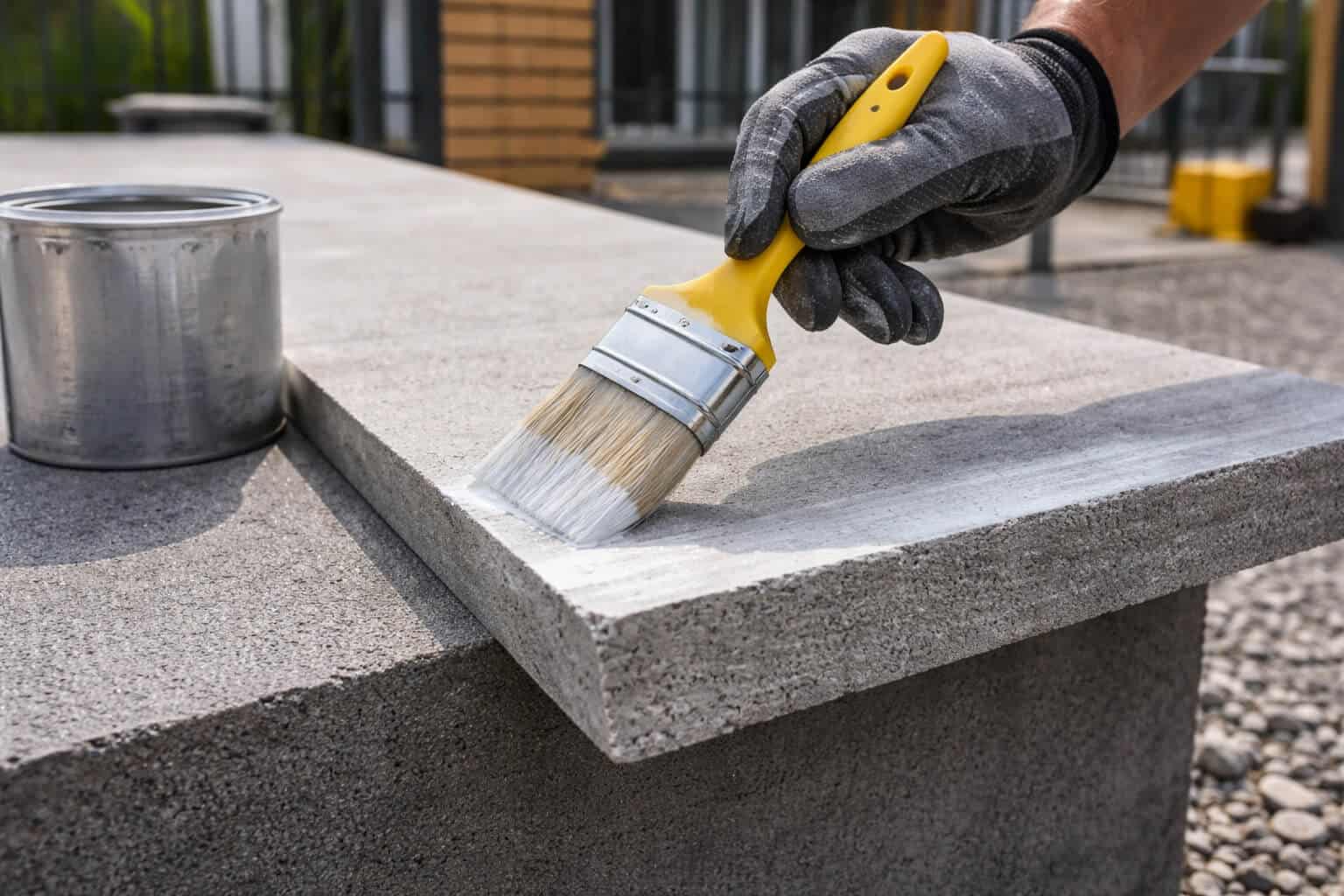
Do fiber cement board edges need sealing after cutting? Learn when it’s necessary and how it improves long-term durability.
Read insight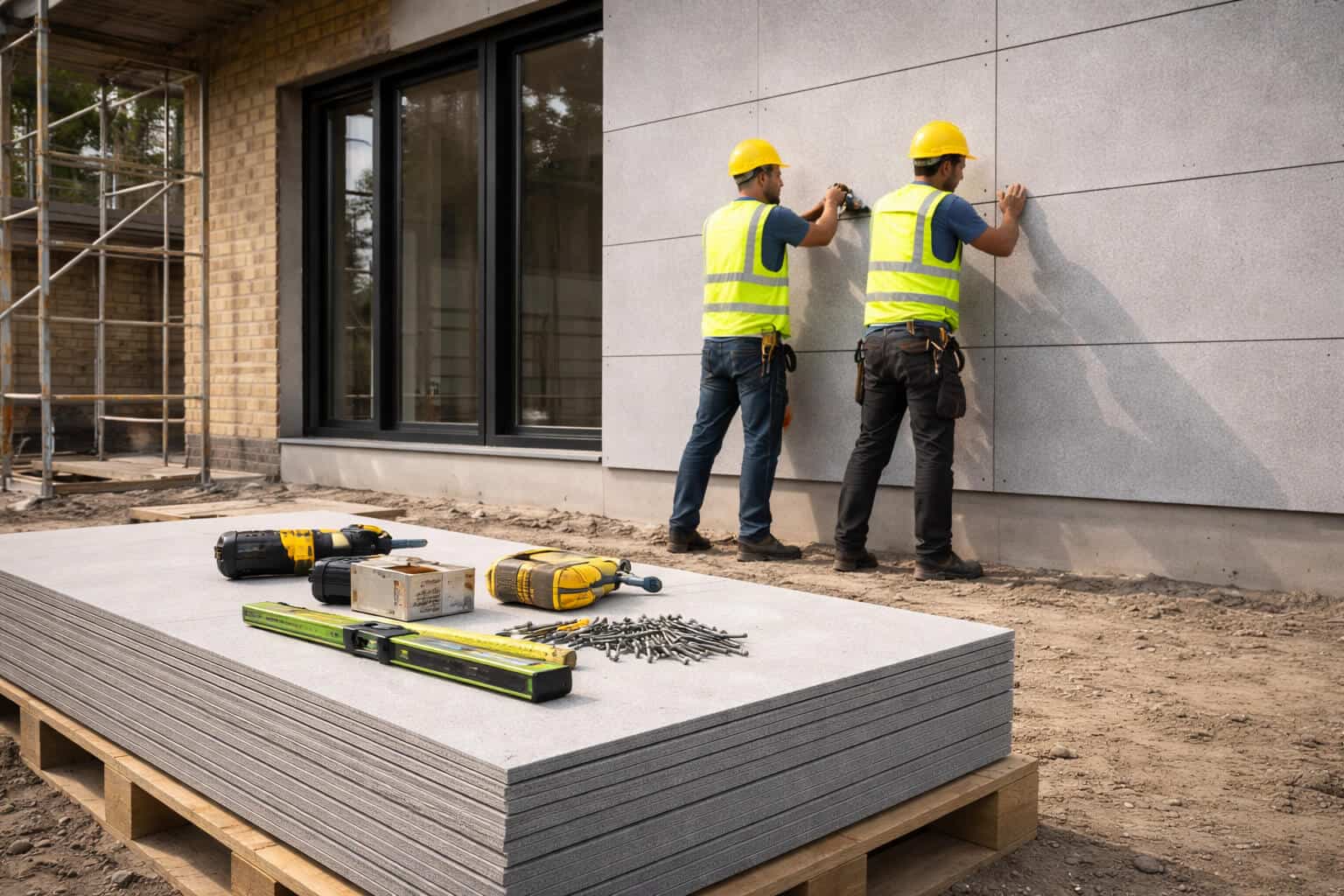
Step-by-step guide to mounting fiber cement boards correctly, including fixings, gaps, and installation tips.
Read insight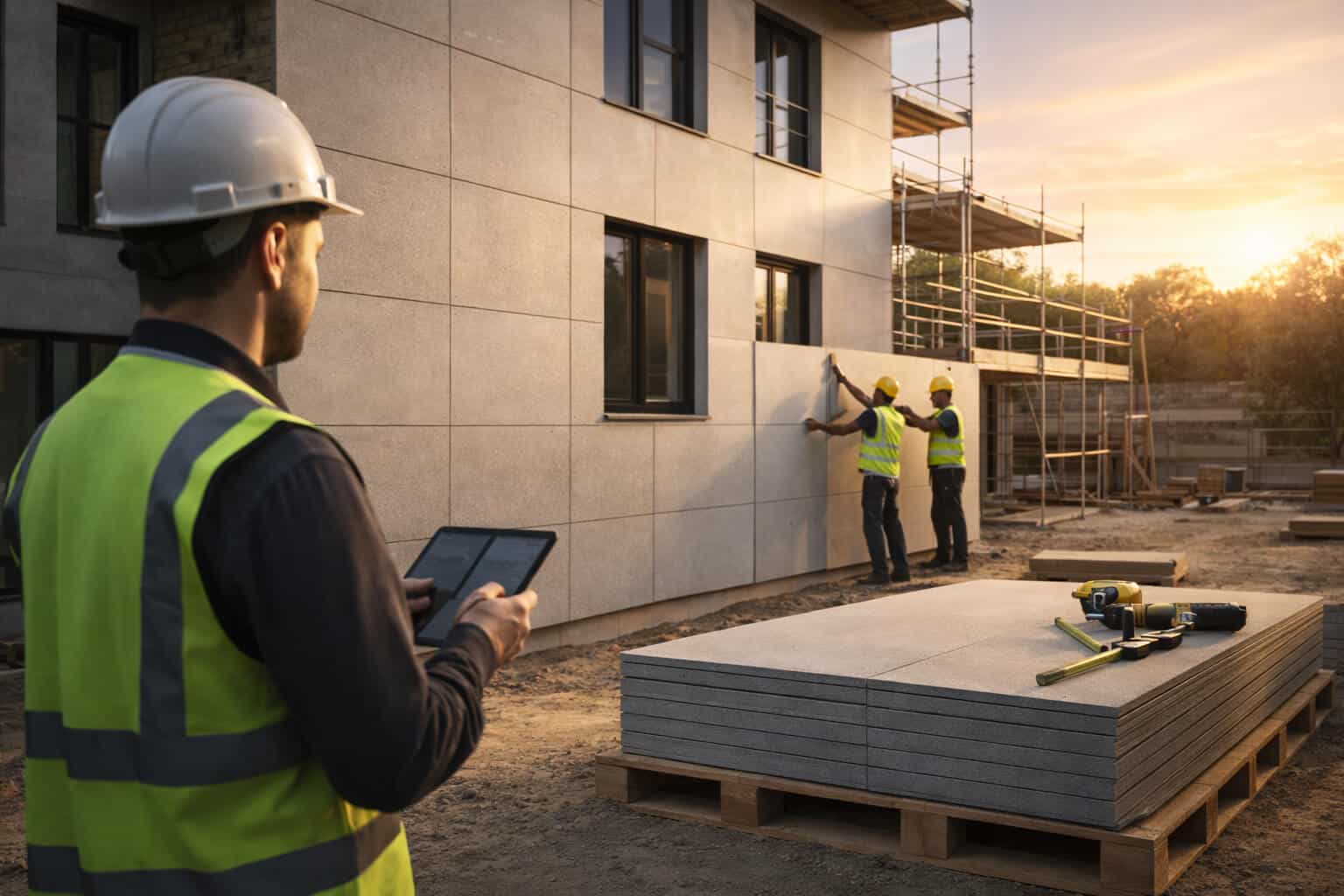
Discover how fiber cement boards help reduce site issues, delays, and installation problems in modern construction projects.
Read insight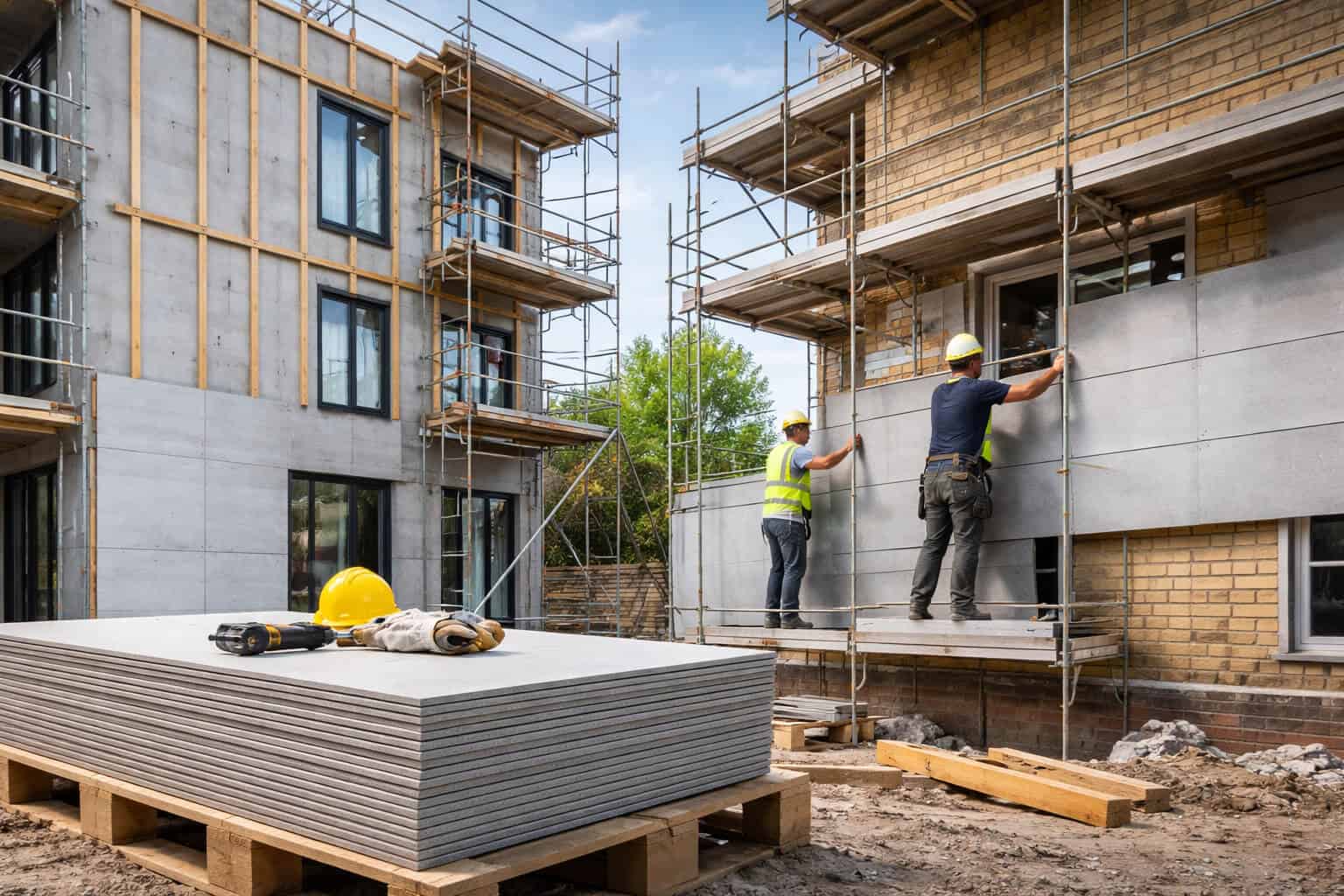
Fiber cement boards are a practical, durable, and reliable choice for both new build and refurbishment projects.
Read insight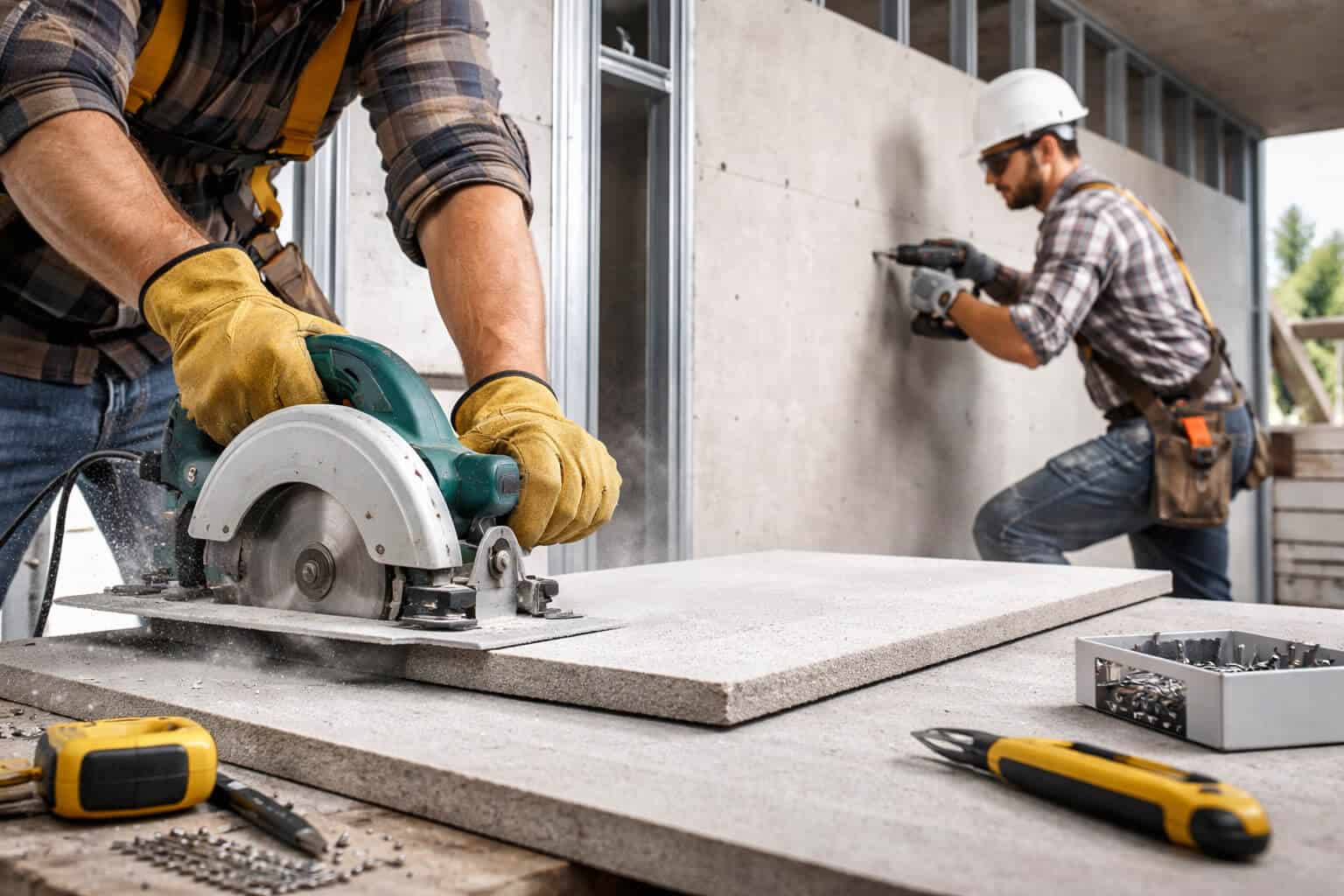
Fiber cement board installation is simple, using standard tools and methods. Learn how easy it is to cut, fix, and install on site.
Read insight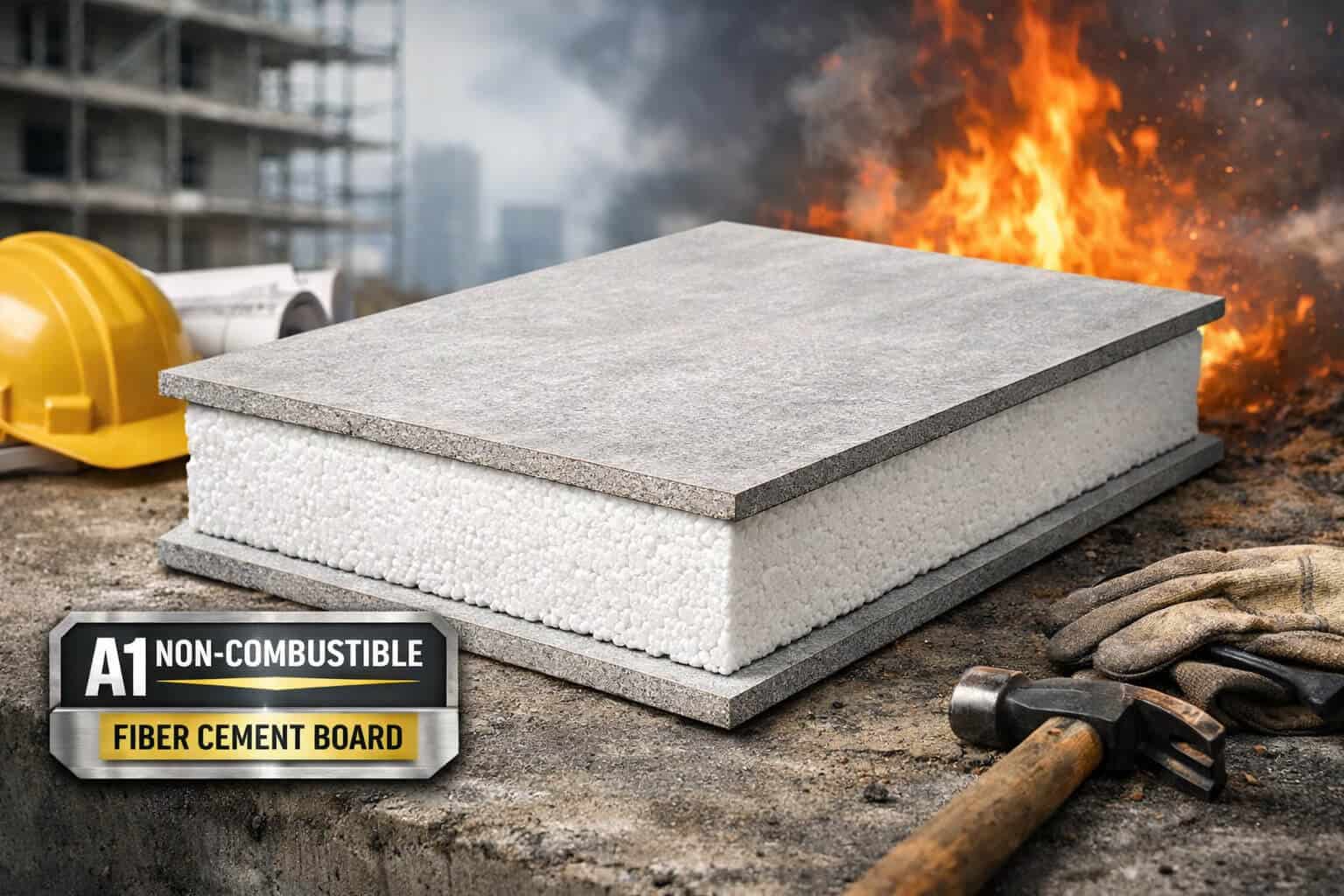
Fiber cement SIP panels use A1 non-combustible boards to improve fire safety and outperform common SIP facing materials.
Read insight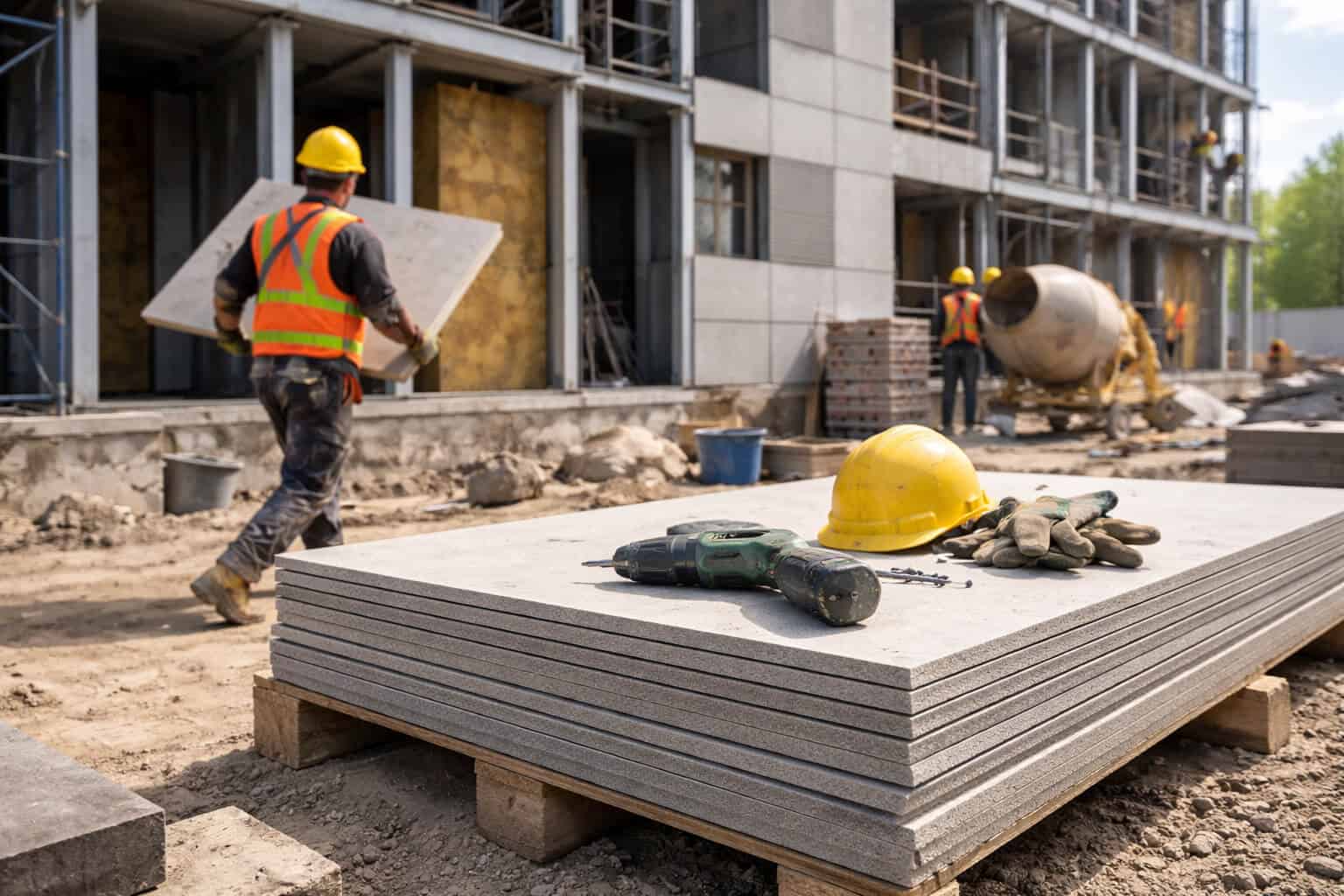
Strong fiber cement boards offer durable, reliable performance for everyday construction and exterior wall systems.
Read insight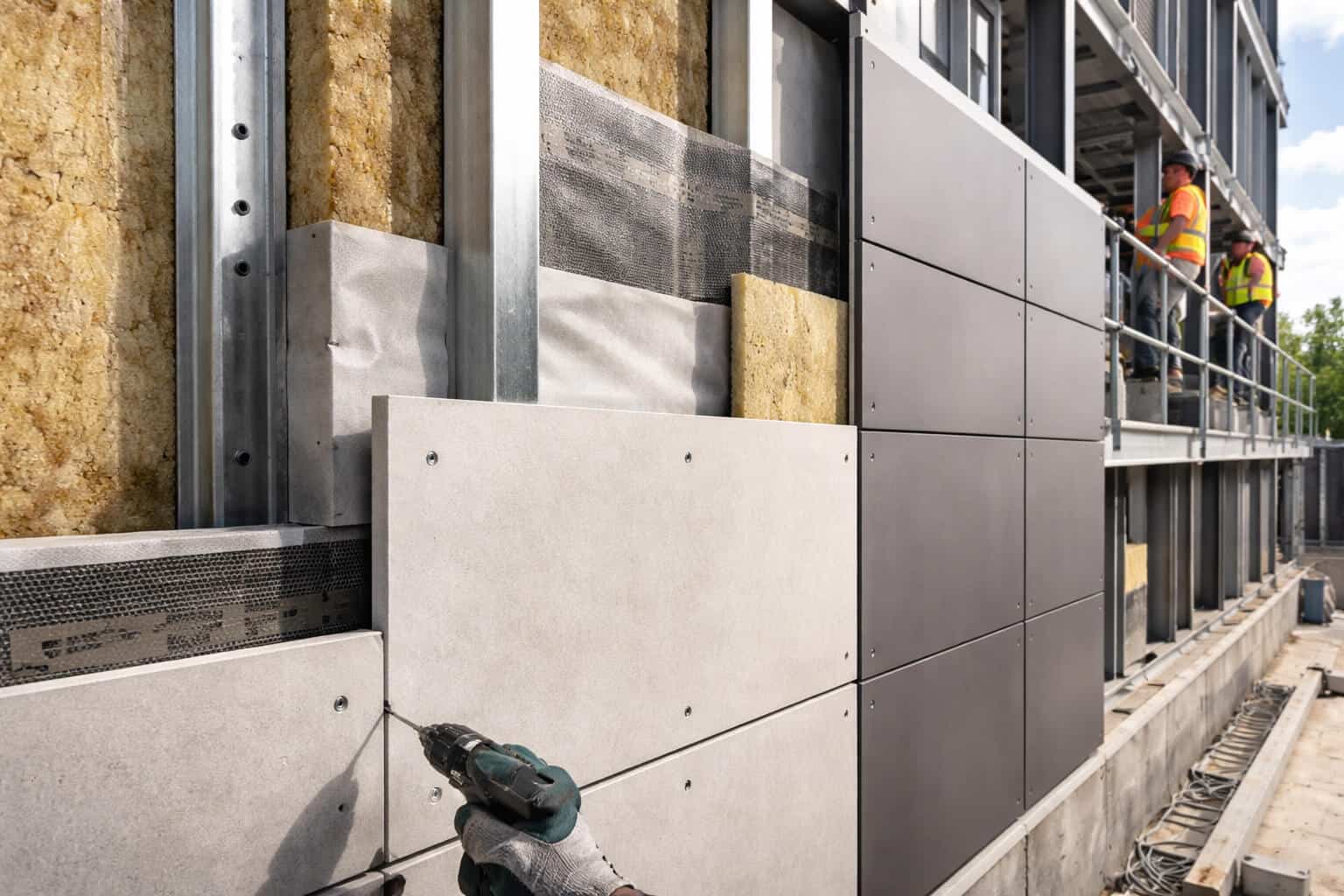
Fiber cement boards provide a stable, durable base for multi-layer wall systems, ensuring reliable long-term performance.
Read insight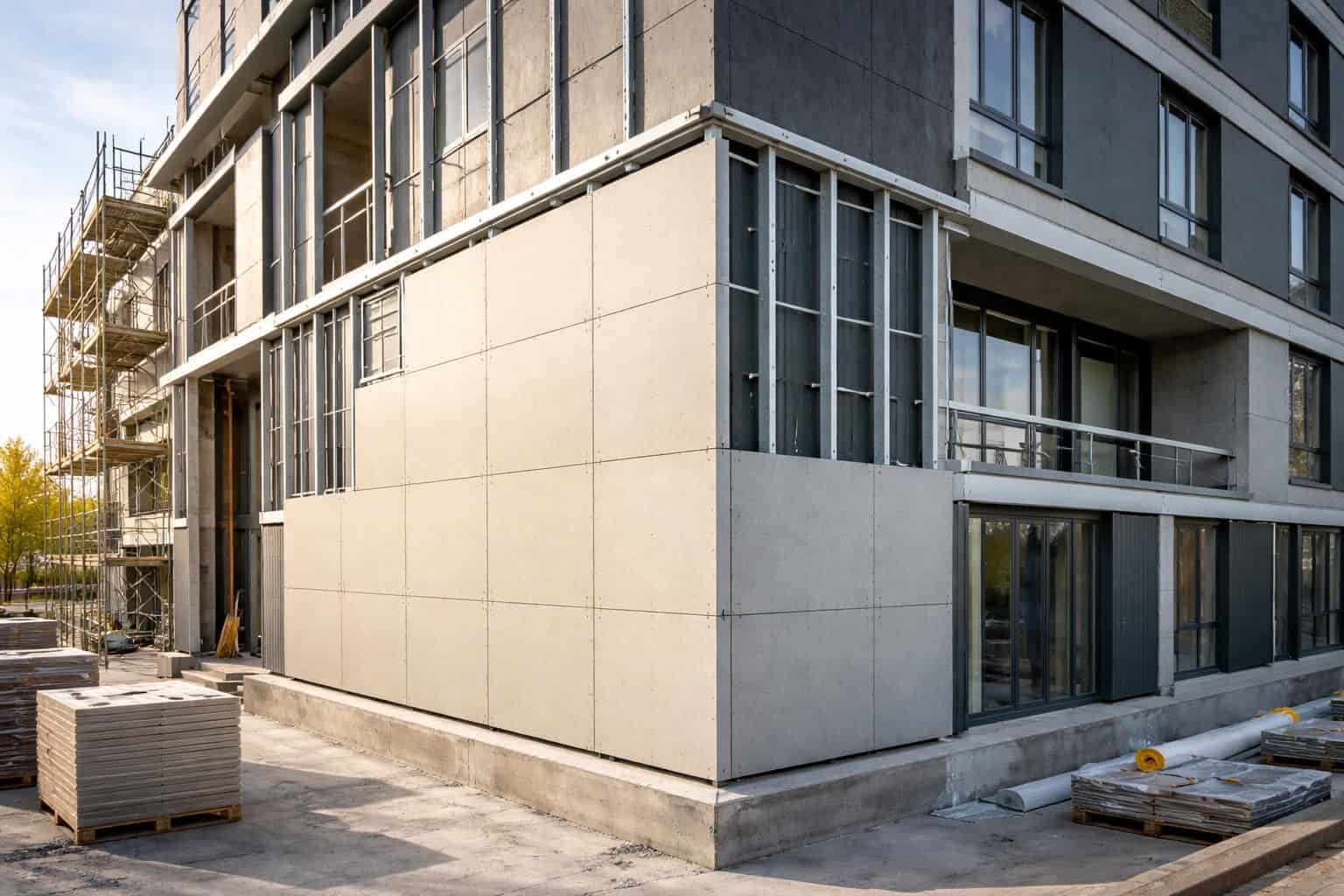
Fiber cement boards offer durable, low-maintenance, moisture-resistant performance for long-term building use.
Read insight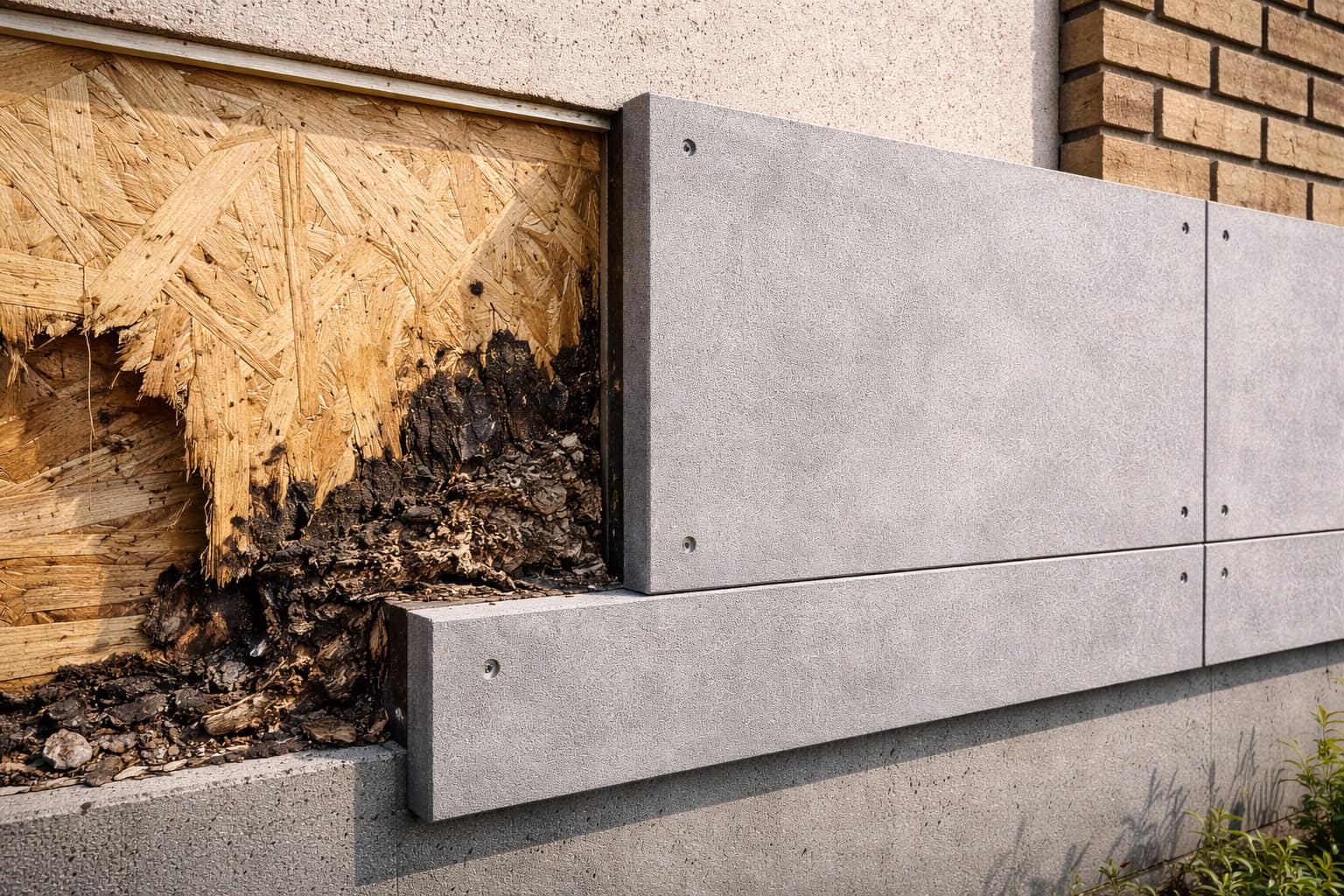
Do fiber cement boards rot over time? Discover why their cement-based structure makes them durable and moisture resistant.
Read insight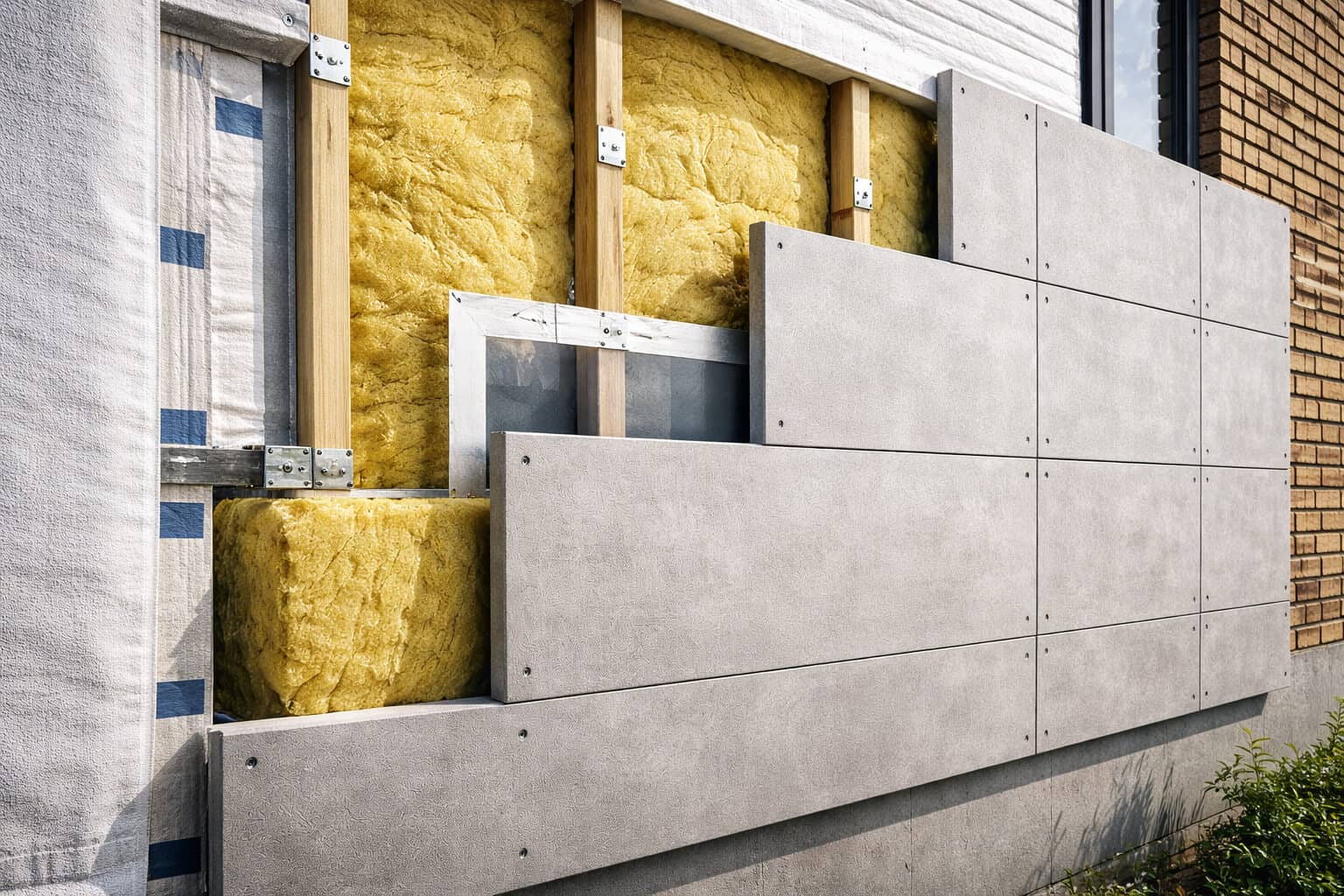
Are fiber cement boards compatible with modern insulation systems? Learn why they are widely used in insulated exterior wall assemblies.
Read insight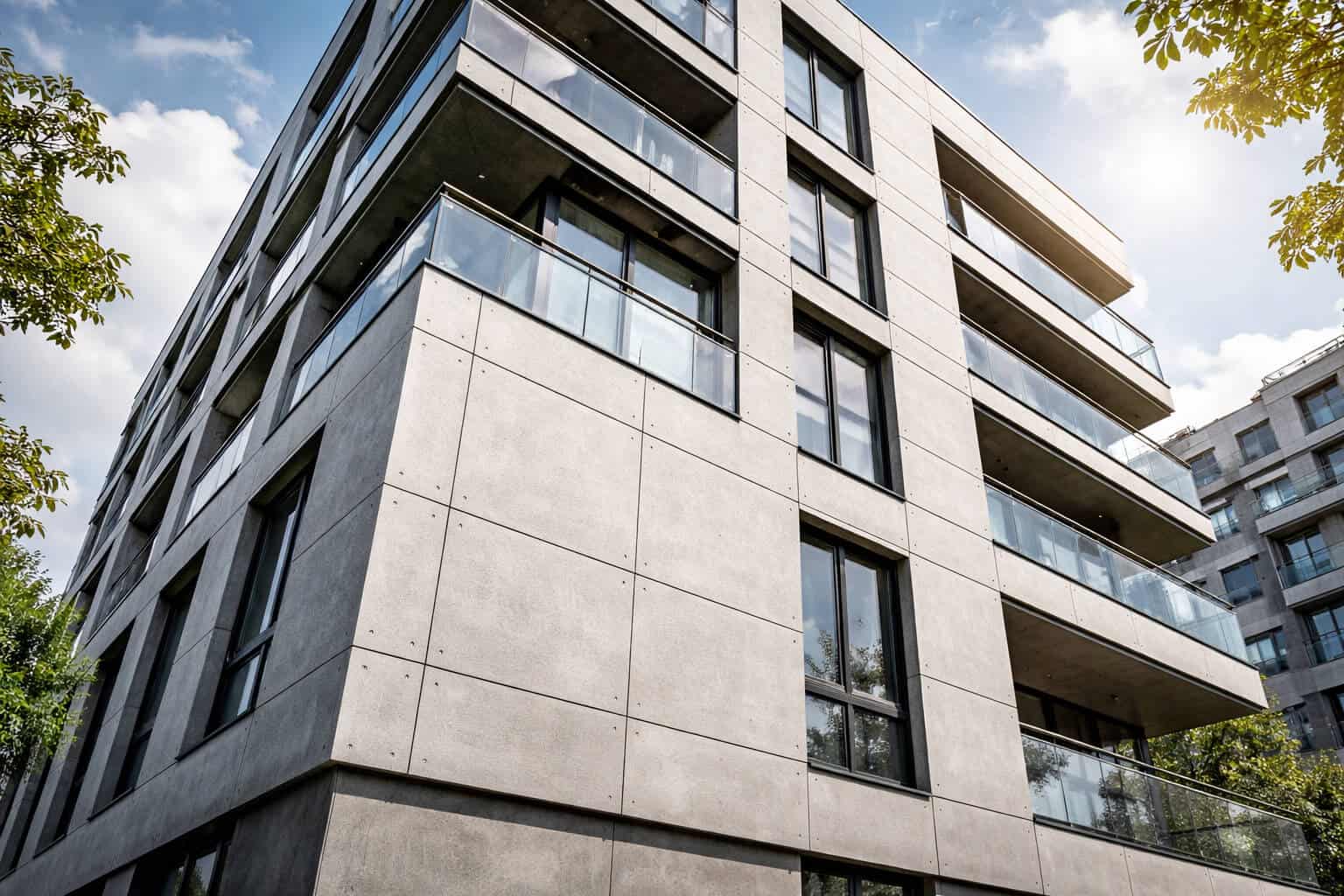
Are fiber cement boards strong enough for multi-storey buildings? Discover why they are widely used for durable exterior wall systems.
Read insight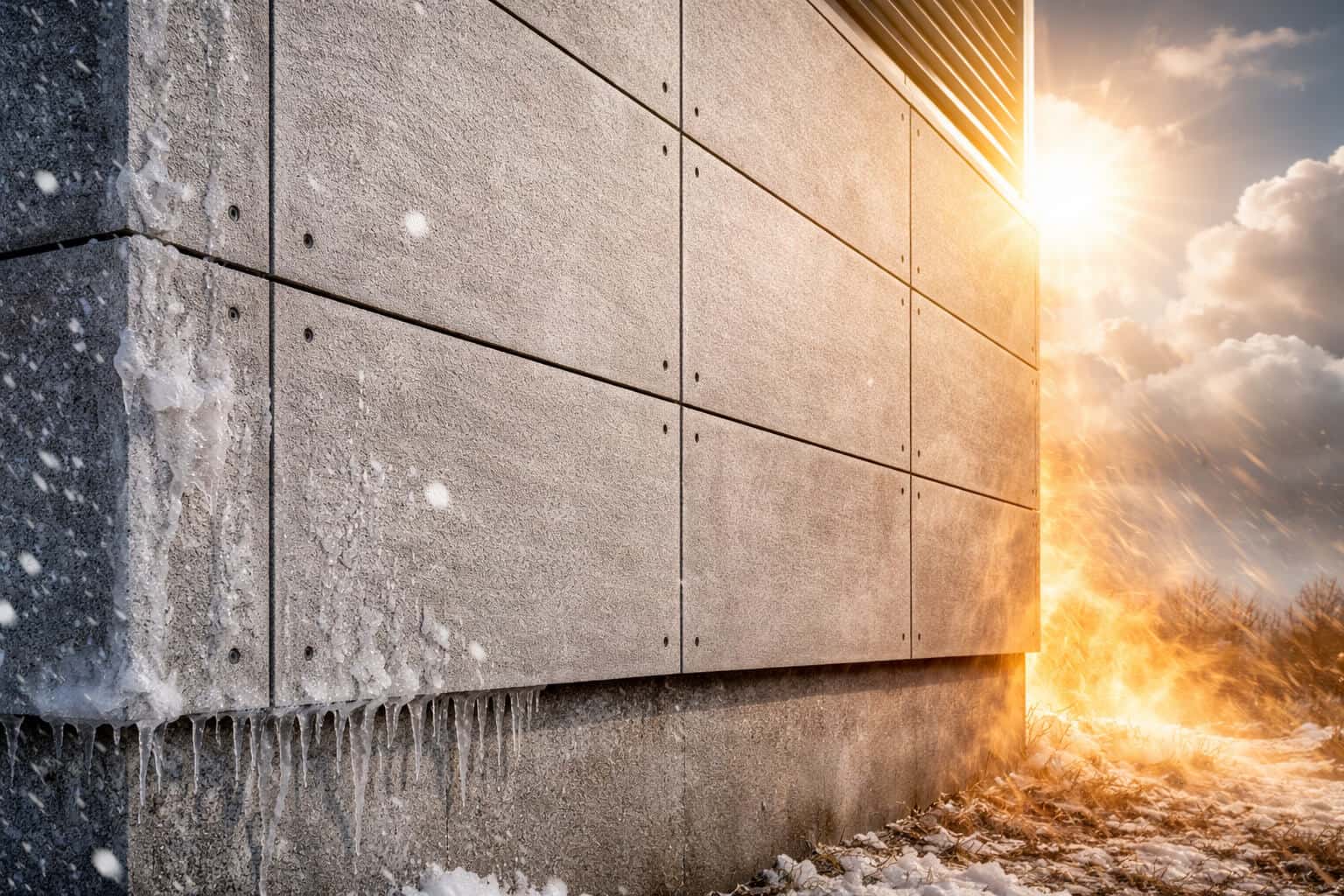
Do fiber cement boards crack under temperature changes? Learn why their stable structure makes them reliable for exterior walls and façades.
Read insight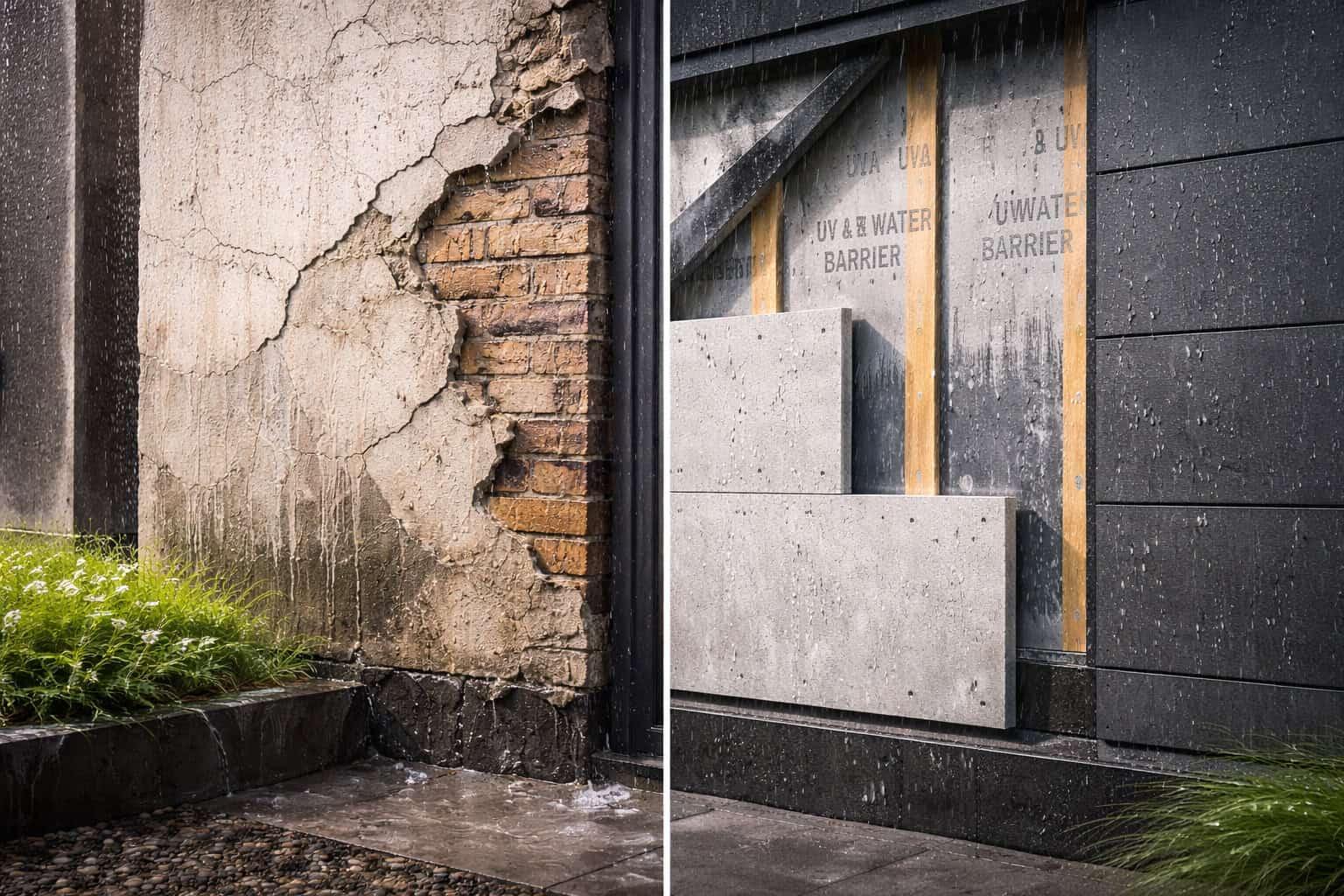
Can fiber cement boards prevent exterior wall damage? Discover how they protect walls from moisture and weather.
Read insight
Can fiber cement boards be used behind brick, render, and cladding? A reliable backing solution for modern façade systems.
Read insight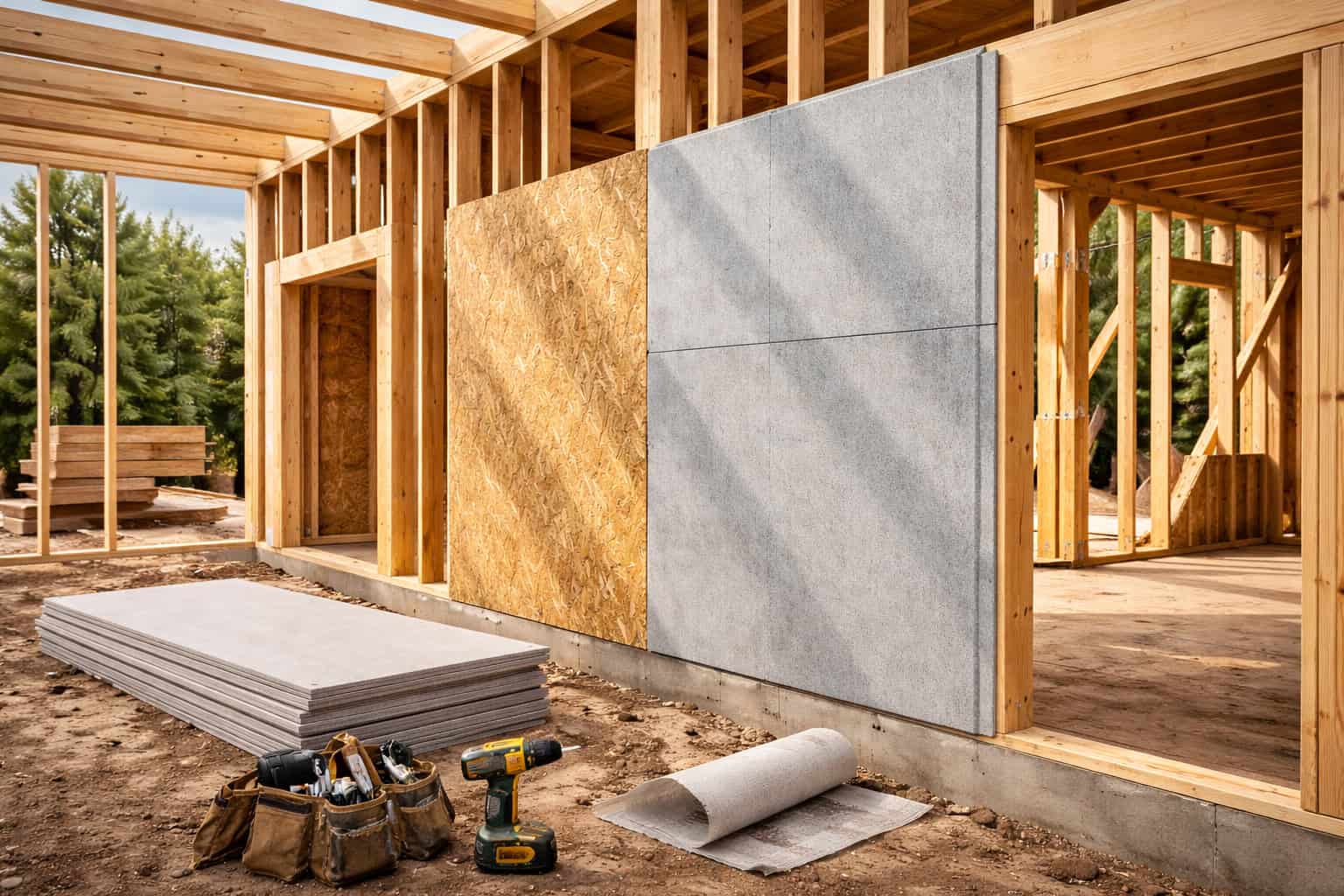
Are fiber cement boards suitable for timber frame houses? Learn how they improve durability, fire safety, and moisture protection.
Read insight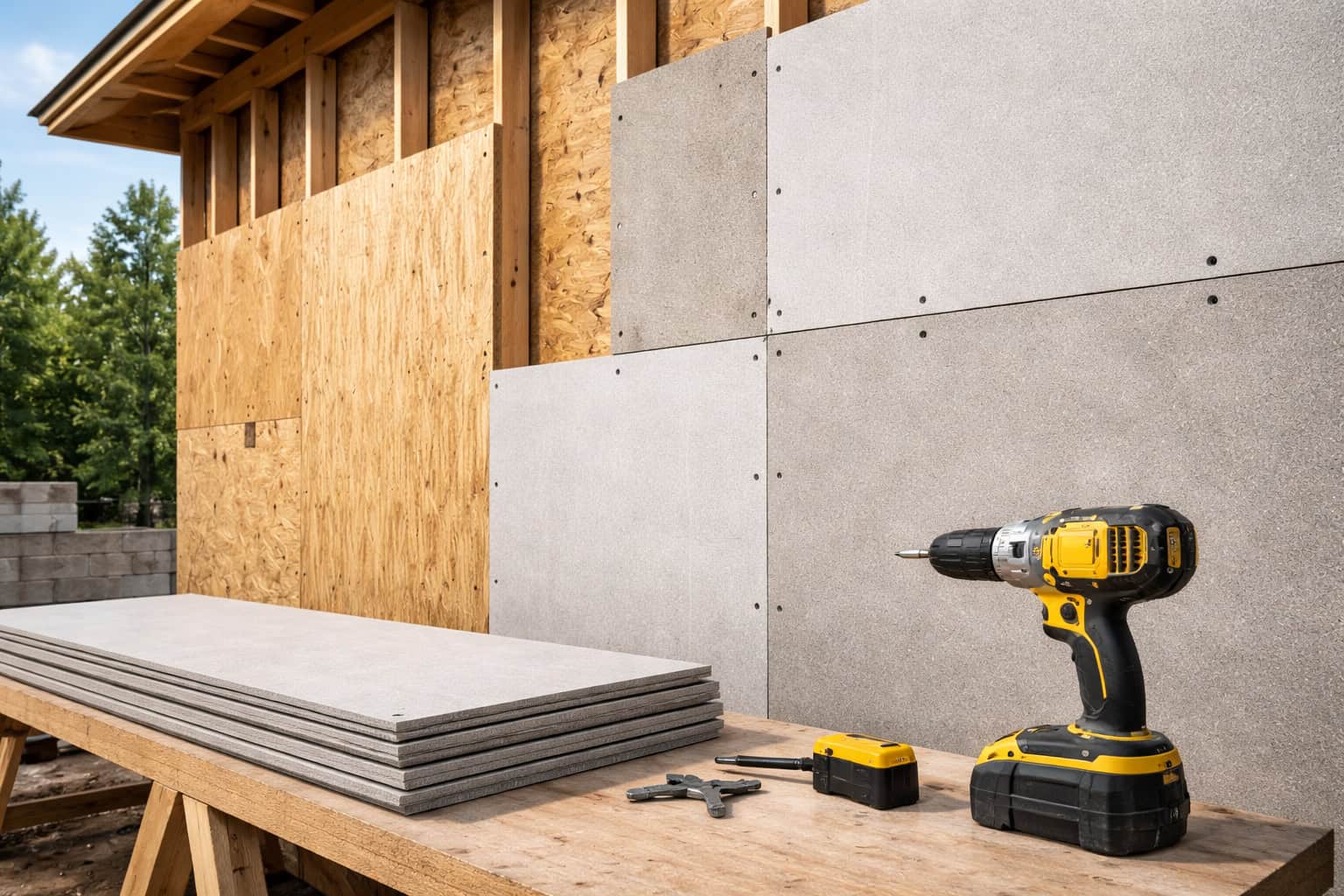
Can fiber cement boards replace plywood in wall systems? Compare fire safety, moisture resistance, and durability.
Read insight