
SMARTCON
Blog

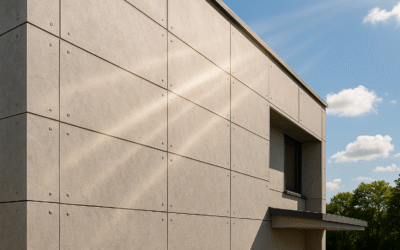
UV Resistance of Fiber Cement Boards: How They Perform in Harsh Sunlight
Façade materials must withstand daily exposure to sunlight, heat, and weather cycles. Among these factors, UV radiation is one of the most damaging, causing fading, discoloration, and long-term surface deterioration.
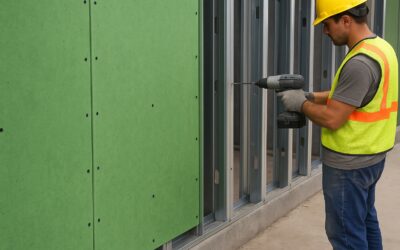
Best Installation Practices for Exterior Sheathing Boards to Avoid Structural Failures
In most cases, exterior sheathing boards do not fail because the material is weak — they fail because they were installed incorrectly.
Boards crack, absorb moisture, warp, delaminate, or even collapse behind the façade
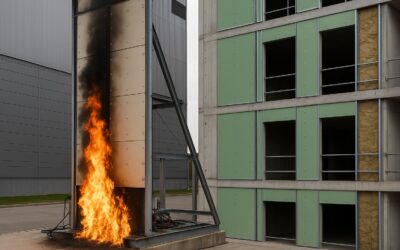
Fire Rating Requirements for Exterior Sheathing Boards in High-Rise Buildings
High-rise façades are scrutinized for fire performance because flame spread on the exterior envelope can endanger occupants and compromise structural integrity. Exterior sheathing boards are
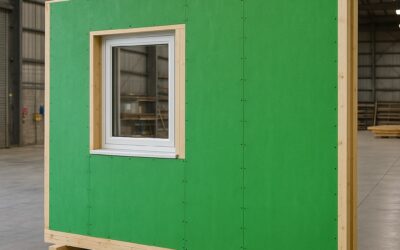
Exterior Sheathing Boards in Modular and Prefabricated Wall Systems: What to Know
Modular and prefabricated building systems demand materials that are not only strong and durable but also dimensionally stable, lightweight, and compliant with global fire and energy regulations
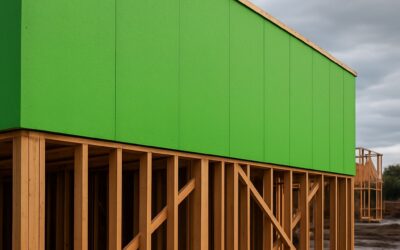
Can Exterior Sheathing Boards Be Left Exposed to Weather During Construction?
During construction, it is common for exterior sheathing boards to be installed before the final façade or cladding system is applied. This raises a critical question for contractors and project managers

Can Fiber Cement Boards Be Used as Permanent Formwork in Concrete Construction?
Permanent formwork systems are increasingly preferred over traditional removable formwork because they remain integrated into the structure, adding long-term durability, fire protection, and aesthetic or functional value.
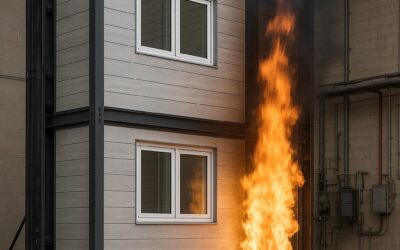
Fire-Resistant Modular Buildings: How Fiber Cement Boards Meet Safety Codes
Fire safety is one of the most critical challenges in modular construction. Unlike conventional concrete buildings, modular and prefabricated structures rely heavily on panelized wall systems, where incorrect material selection can significantly increase fire spread risk
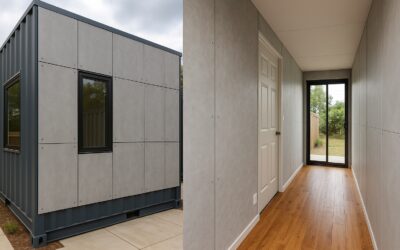
Exterior vs Interior Use of Fiber Cement Boards in Container Homes
Container homes are rapidly growing in popularity as modular, durable, and modern living solutions. To turn a steel container into a comfortable and safe living environment, selecting the right cladding and lining material is critical.
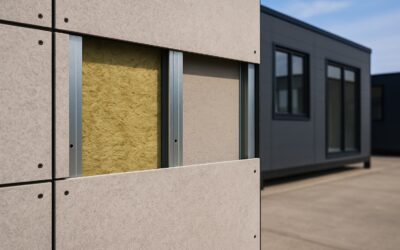
Thermal Efficiency of Fiber Cement Boards in Zero-Energy Modular Buildings
As demand for zero-energy and high-performance modular buildings increases, selecting the right building envelope materials becomes critical. While fiber cement boards are widely