
Blog
Can You Screw Directly Into Fiber Cement Boards? Best Fixing Methods Explained
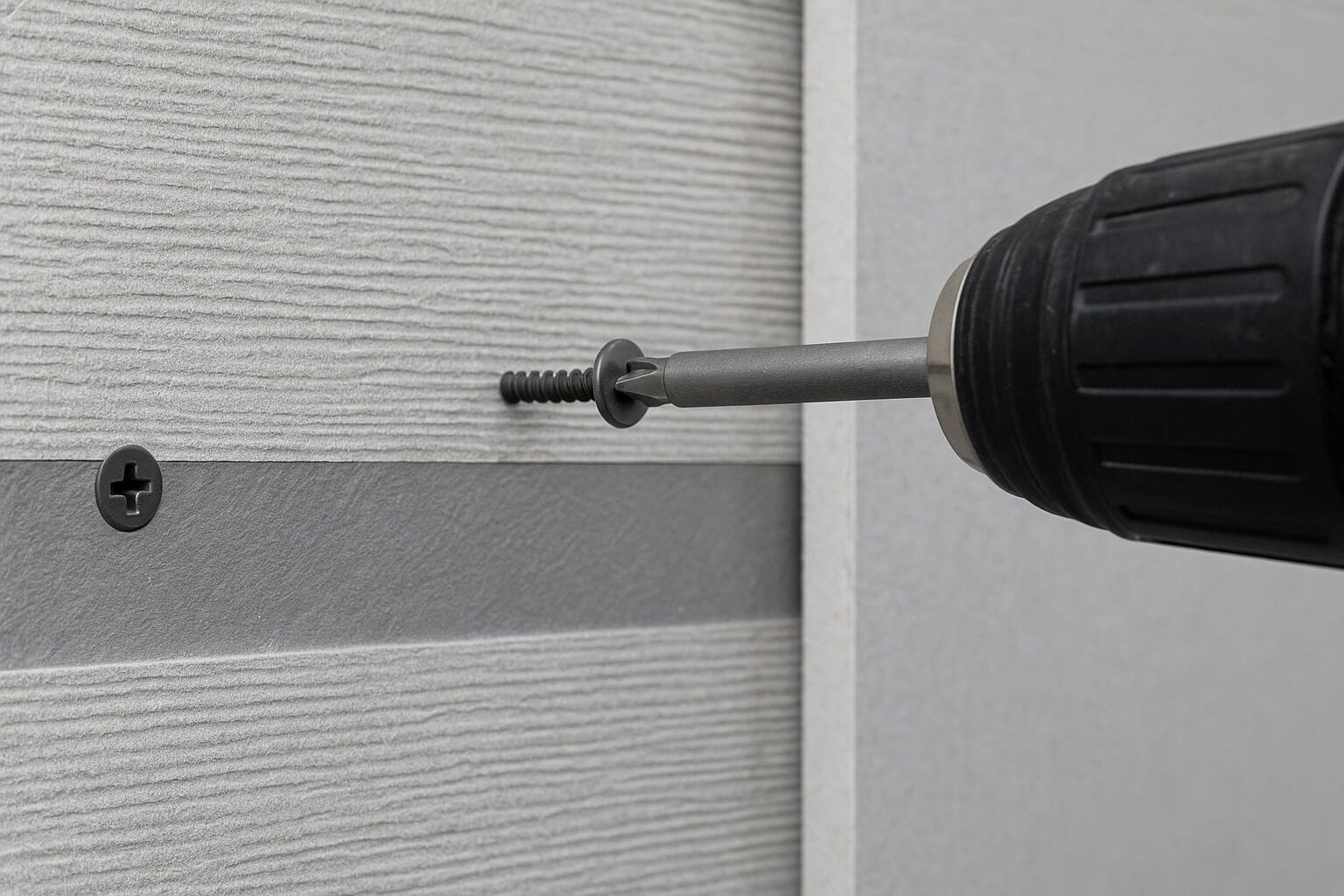
Fiber cement boards are durable, fire-resistant, and moisture-tolerant. But when it comes to installation, many builders ask:
Can you screw directly into them without damaging the material?
The short answer is yes — but only if you follow proper methods. This article explains how to screw into fiber cement boards without cracking or weakening them.
Can You Screw Into Fiber Cement Boards?
Yes, you can screw directly into fiber cement boards. However, these boards are dense and brittle. Using the wrong technique or tools can cause the board to crack, chip, or lose holding strength. For best results, follow the recommended fixing methods below.
Use the Right Type of Screw
Not all screws are suitable for fiber cement boards. Use screws that are:
- Corrosion-resistant (stainless steel or hot-dipped galvanized)
- Specifically designed for fiber cement
- Self-tapping or self-drilling if permitted by the board manufacturer
These screws often have a ribbed or flat head that prevents damage to the surface during installation.
Screw type, head design, thread geometry, and corrosion resistance should match the board application and supporting frame. See how to choose the correct screws for fiber cement boards before installation.
For façades, wet zones, and coastal projects, fixing material should match the environmental exposure. Check the requirements for corrosion-resistant fixings for external fiber cement boards.
In fire-resistant walls and ceilings, standard fixing guidance may not be enough. Fixings, spacing, framing, and board thickness should match the tested assembly. Review the requirements for fire-rated fixings for fiber cement boards before making product substitutions.
Pre-Drilling: When and Why
For thick boards or installations near edges, pre-drilling is highly recommended. It reduces the risk of:
Pre-drilling is not required in every installation, but it becomes important near edges, with thicker boards, and in other higher-risk fixing conditions. Learn when fiber cement boards need pre-drilling before deciding on the fixing method.
- Splitting the board
- Uneven screw entry
- Surface cracking
Use a carbide-tipped drill bit, and make the hole slightly larger than the screw diameter to allow for thermal movement.
When pre-drilling is required, use the correct bit, support the panel properly, and work at a controlled speed. Our practical guide explains how to drill fiber cement boards without cracking.
Recommended Screw Spacing
Follow these general guidelines unless the manufacturer states otherwise:
- 20 to 30 cm between screws on panel edges
- 40 to 60 cm between intermediate fixing points
- Always maintain at least 2 cm from the edge of the board to prevent chipping
Screw position is as important as screw quantity. Review the correct edge distance and fixing patterns before marking fixing points near board edges and corners.
Fixing centres should also work together with board joints and movement allowances. See our guide to fiber cement board screw spacing and joint gaps for a wider façade installation overview.
Avoid Over-Tightening
Screws should be flush with the board surface. Over-tightening can:
- Crack the board
- Reduce the holding strength
- Distort the panel
Use a torque-controlled screwdriver or impact driver to ensure consistent pressure.
Fixing to Wood vs. Steel Frames
Wooden frames: Use wood-compatible fiber cement screws.
Steel frames: Use self-drilling screws rated for metal up to the specified thickness. Pre-drilling may still be necessary depending on the board.
The correct fixing method also depends on the supporting material. Review the main steel frame vs timber frame installation differences before choosing screw type, length, and fixing depth.
Final Tips
- Store boards flat before installation to prevent warping.
- Always check the technical datasheet of the product you are using.
- Use a level and alignment tool to ensure a smooth façade.
Before closing or finishing the wall, use the full fiber cement board installation checklist to confirm the framing, board support, fixings, joints, and moisture details.
Conclusion
Although fiber cement boards can be screwed directly into place, long-term performance depends on more than simply driving a screw into the board. The correct screw type, edge distance, screw spacing, fixing pattern, and installation method all affect crack resistance, holding strength, and façade durability. For this reason, screw fixing should always be treated as part of the complete fiber cement board installation process.
Screwing directly into fiber cement boards is safe and effective when done correctly. The key is using the right screws, avoiding over-tightening, and following proper spacing and drilling guidelines. Whether for façades, ceilings, or wall linings, secure installation ensures your boards perform as expected for years to come.
Need pricing, technical documents, or loading guidance for fiber cement boards? Contact Smartcon with your required thickness, dimensions, quantity, and delivery destination. Our team will help you review the suitable options and provide practical export support from Turkey.
👉 Visit the Smartfiber Fiber Cement Board page to explore specs, sizes, and delivery options.
Authored by Smartcon Int’l. Trade & Marketing Ltd. on 03.08.2025. All rights reserved.
Façade specification
Need the right board for your façade system?
Share the façade build-up, exposure conditions, finish and documentation requirements. We can help assess the appropriate board and coordinate supply.