
Blog
Can Fiber Cement Boards Be Installed Over Existing Walls? Renovation Guide
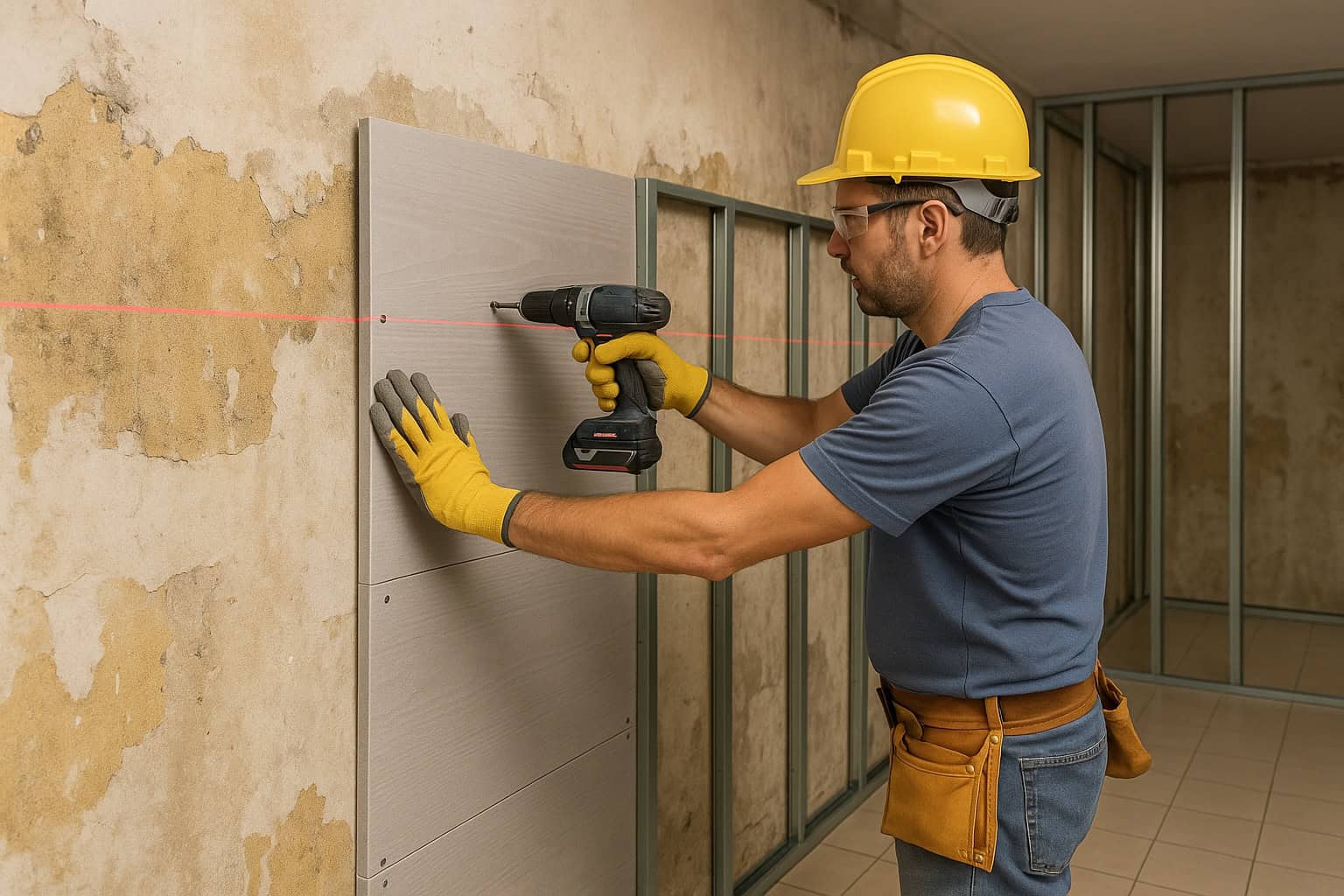
Retrofitting and upgrading existing buildings is becoming more common, especially as businesses and homeowners seek modern finishes without full demolition. Fiber cement boards are strong, durable, and fire-resistant — but can they be installed over existing walls safely and effectively?
The answer is yes — fiber cement boards can be installed over existing walls, provided that proper preparation, fixing, and alignment procedures are followed. This guide explains when this method is appropriate, what conditions must be checked, and how to ensure long-lasting results.
When Installing Fiber Cement Boards Over Existing Walls Is Suitable
This method works particularly well for:
- Interior refurbishments where existing surfaces are flat and stable
- Upgrading drywall or cement surfaces with a stronger finish
- Covering damaged surfaces that are difficult to repair
- Office, retail, and hospitality renovations
- Prefabricated and modular upgrades
- Projects requiring fire-rated surface improvements
It allows rapid renovation while avoiding demolition dust, noise, and disposal costs.
When It Is Not Recommended
Avoid installing fiber cement boards over existing walls if:
- The existing wall is structurally weak or crumbling
- There is mold, rising damp, or water damage
- The wall is severely uneven or out of alignment
- Load-bearing reinforcement is required behind the panel
- Electrical or plumbing routes still need access
In such cases, remove the damaged area or repair before cladding.
Surface Preparation Requirements
To ensure proper installation over existing walls:
- Clean the surface thoroughly
- Remove loose paint, dust, and oils
- Repair cracks and fill weak spots
- Ensure the wall is dry with no moisture traps
- Confirm plumb alignment to avoid installation stress
If the wall is slightly uneven, adding a metal or wooden frame substructure is recommended. Direct fixing is only suitable for sound, flat surfaces.
Fixing & Installation Method
There are two general methods:
- Fixing Onto a Substructure
Metal or wood framing provides the best longevity and alignment control. Recommended for:
- Exterior façades
- Wet areas
- High-traffic zones
- Renovations requiring cavity for insulation or services
- Direct Fixing Onto the Existing Surface
Suitable for interior dry walls where the existing finish is stable.
Key considerations:
- Use corrosion-resistant screws suitable for fiber cement
- Maintain proper screw spacing (typically 200–300 mm)
- Leave correct expansion gaps between panels
- Seal joints with approved joint fillers or trims
Joint Treatment & Finishing
To ensure professional results:
- Apply edge sealing to board cuts
- Use mesh tape and filler on joints for smooth interior surfaces
- Prime and paint with acrylic or compatible coatings
- Keep ventilation cavity if used outdoors
Proper finishing prevents cracking, moisture problems, and premature degradation.
Advantages of Installing Over Existing Walls
- Faster renovation and minimal disruption
- Avoids demolition and waste disposal
- Stronger, fire-safe finished surfaces
- Improved sound and impact resistance
- Compatible with modern finishes and textures
Conclusion
Fiber cement boards can be confidently installed over existing walls when substrate preparation, fixing method, and joint treatment follow recommended standards. This renovation approach saves time and cost while providing a durable, fire-resistant, and visually clean finish.
For commercial renovations, modular upgrades, or interior refurbishments, fiber cement boards offer a modern and reliable solution without requiring full wall replacement.
👉 Visit the Smartfiber Fiber Cement Board page to explore specs, sizes, and delivery options.
Authored by Smartcon Int’l. Trade & Marketing Ltd. on 31.10.2025. All rights reserved.
Façade specification
Need the right board for your façade system?
Share the façade build-up, exposure conditions, finish and documentation requirements. We can help assess the appropriate board and coordinate supply.