
Blog
Sealing Aluminium Composite Panel Joints: Practical Weatherproofing Tips
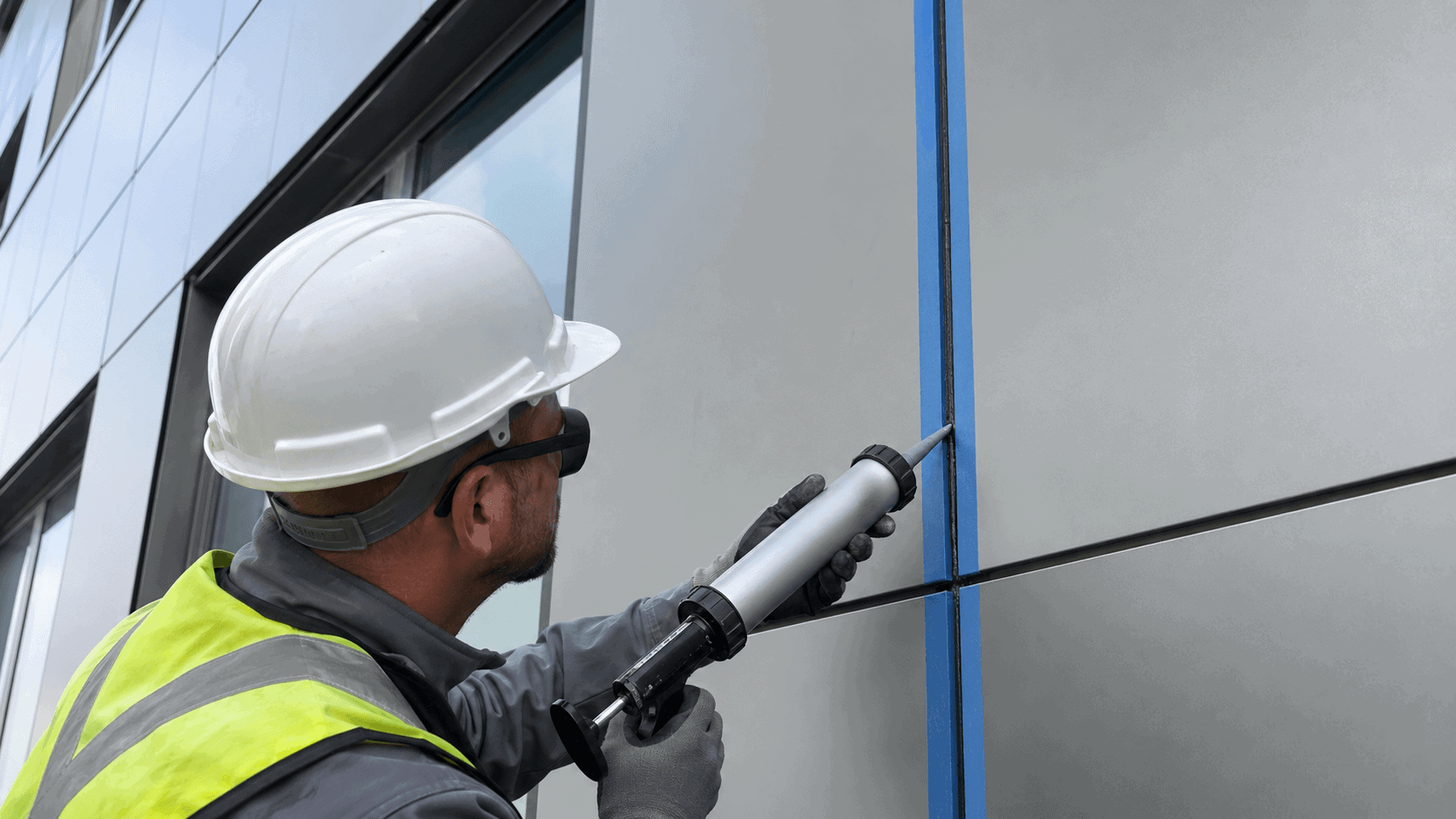
Sealing aluminium composite panel joints is an important part of façade and cladding installation. Aluminium composite panels can create a clean, modern, and durable exterior surface, but the quality of the joints has a major effect on the final result.
Joints are not only visual lines between panels. They also help manage movement, water exposure, drainage, weather protection, and installation tolerance. If joints are sealed poorly, problems such as water ingress, staining, sealant failure, messy lines, and premature maintenance may appear.
This guide explains practical weatherproofing tips for sealing aluminium composite panel joints. It is written for façade contractors, cladding installers, architects, developers, sign makers, shopfront installers, and procurement teams who want a clean and reliable ACP installation.
Why Joint Sealing Matters in Aluminium Composite Panel Façades
Aluminium composite panels are often used on external façades, shopfronts, canopies, signage areas, and architectural details. In these applications, the joints between panels are exposed to rain, wind, sunlight, temperature changes, dust, and building movement.
Good joint sealing helps support:
- Better weather protection
- Cleaner façade appearance
- Controlled movement
- Reduced water ingress risk
- Neater panel lines
- Longer sealant performance
- Better installation quality
- Easier maintenance
A well-sealed joint should look neat and perform reliably. It should not look overfilled, uneven, cracked, stained, or detached from the panel edges.
Understand the Role of the Joint
Before sealing, it is important to understand what the joint needs to do. An ACP joint may need to allow movement, protect the backing structure, support drainage, or simply create a clean visual finish.
In façade applications, joints should not be treated as decorative gaps only. They are part of the external wall system.
A good joint design should consider:
- Panel size
- Thermal movement
- Joint width
- Fixing method
- Subframe system
- Water exposure
- Sealant type
- Backing material
- Drainage strategy
- Maintenance access
If the joint design is poor, even a good sealant may not perform well.
Choose a Compatible Sealant
Sealant compatibility is one of the most important points in ACP joint sealing. Not every sealant is suitable for every panel surface, coating, substrate, or weather condition.
The sealant must be compatible with:
- Aluminium composite panel coating
- Panel edge condition
- Backing rod material
- Primer if used
- Adjacent materials
- Expected movement
- External weather exposure
- UV exposure
- Temperature range
Using the wrong sealant can lead to poor adhesion, staining, cracking, shrinkage, or early failure.
Best Practice Tip
Always check the sealant manufacturer’s technical guidance. For external ACP joints, the sealant should be suitable for façade or exterior cladding applications.
Check Whether Primer Is Required
Some sealants require primer for better adhesion. Primer can help the sealant bond more reliably to the panel edges or adjacent surfaces.
However, primer should not be used randomly. The correct primer depends on the sealant, panel coating, and substrate.
Before applying primer, check:
- Sealant manufacturer guidance
- Panel surface compatibility
- Application temperature
- Drying time
- Surface cleanliness
- Primer shelf life
- Correct application method
If primer is required but skipped, sealant adhesion may be weaker. If the wrong primer is used, it may create staining or bonding problems.
Clean Joint Edges Before Sealing
Clean joint edges are essential for good sealant adhesion. Dust, oil, moisture, cutting debris, fingerprints, protective film residue, or construction dirt can reduce adhesion.
Before sealing, joint surfaces should be clean, dry, and free from contamination.
Common contaminants include:
- Dust
- Dirt
- Grease
- Water
- Metal shavings
- Protective film adhesive
- Sealant residue
- Cement dust
- Paint overspray
- Construction debris
Even a high-quality sealant can fail if it is applied to dirty surfaces.
Best Practice Tip
Clean the joint edges before sealing and allow the surface to dry properly. Do not apply sealant over dust, moisture, or adhesive residue.
Use Backing Rods Correctly
Backing rods are commonly used in façade joints to control the depth and shape of the sealant. They help prevent three-sided adhesion and allow the sealant to move more effectively.
A backing rod is placed inside the joint before sealant application. It creates the correct sealant depth and provides support during tooling.
Backing rods can help with:
- Correct sealant depth
- Better joint shape
- Reduced sealant waste
- Improved movement performance
- Cleaner application
- Prevention of overfilled joints
Without a backing rod, installers may apply too much sealant. This can create a messy joint and reduce movement performance.
Why Three-Sided Adhesion Is a Problem
Sealant usually needs to bond to the two sides of the joint, not to the back of the joint. If it bonds to three sides, movement becomes restricted.
This can increase stress and may lead to:
- Cracking
- Adhesion failure
- Sealant tearing
- Reduced movement capacity
- Shorter service life
Using a suitable backing rod helps the sealant work as intended.
Maintain the Correct Joint Width
Joint width affects both appearance and performance. Very narrow joints may not allow enough movement. Very wide joints may look heavy or require more careful sealing.
The correct joint width depends on panel size, movement, façade design, and sealant performance. The joint should be planned before installation, not adjusted randomly on site.
A consistent joint width helps create:
- Cleaner visual lines
- Better sealant application
- More predictable movement control
- Easier tooling
- Better façade appearance
Inconsistent joint widths can make the façade look poorly installed, even if the panels are good quality.
Allow for Thermal Movement
Aluminium expands and contracts with temperature changes. This movement is normal, but it must be considered in the joint design.
If joints are too tight or sealant is applied without movement allowance, stress can build up. This may cause sealant cracking, panel distortion, or adhesion failure.
To reduce this risk:
- Allow suitable joint gaps
- Use flexible sealant where required
- Avoid rigid filling materials
- Do not over-tighten panel fixings
- Follow project and supplier guidance
- Consider temperature during installation
Joint sealing should support movement, not block it.
Avoid Overfilled Joints
Overfilled joints are common on poorly finished installations. Too much sealant can create thick, raised, uneven, or messy joint lines.
Overfilled joints may look unprofessional and can also affect performance.
Overfilling can cause:
- Poor appearance
- Dirt collection
- Uneven sealant curing
- Reduced movement ability
- Staining around the joint
- Difficult future maintenance
The aim is not to fill the joint as much as possible. The aim is to apply the right amount of sealant in the right shape.
Best Practice Tip
Use backing rods and proper tooling to control sealant depth and surface profile. A neat joint usually performs better and looks more professional.
Tool the Sealant Neatly
Tooling is the process of shaping the sealant after application. Proper tooling helps the sealant make good contact with the joint sides and creates a smooth finish.
Poor tooling can leave gaps, air pockets, rough surfaces, or uneven lines.
Good tooling helps achieve:
- Better adhesion
- Smooth joint appearance
- Reduced air pockets
- Consistent sealant profile
- Cleaner façade finish
- Easier future cleaning
Tooling should be done before the sealant skins over. Installers should follow the sealant manufacturer’s timing guidance.
Do Not Seal Over Wet Surfaces
Moisture can reduce sealant adhesion. Applying sealant over wet or damp surfaces can lead to early failure.
This is especially important in external façade work, where weather conditions can change quickly.
Avoid sealing during:
- Rain
- Heavy moisture
- Condensation
- Frost
- Very dusty conditions
- Unsuitable temperatures
- Strong wind that carries dust into the joint
The joint surface should be dry and suitable for application.
Consider Weather Exposure
Different parts of the building may face different levels of weather exposure. For example, upper elevations, corners, parapets, canopies, coastal façades, and exposed shopfronts may receive more wind-driven rain or sunlight.
Joint sealing should be planned according to real exposure.
High-exposure areas may require more attention to:
- Sealant selection
- Joint width
- Surface preparation
- Primer use
- Drainage
- Maintenance access
- Installation quality
A joint that works well in a sheltered interior area may not be suitable for an exposed external façade.
Plan Drainage and Water Management
Sealant can help reduce water ingress, but it should not be the only water management strategy in a façade system.
Many external cladding systems are designed with drainage, ventilation, and water control behind the outer panel surface. The joint design should support the overall wall system.
Good water management may include:
- Proper joint detailing
- Drainage paths
- Ventilated cavity
- Flashings where required
- Correct panel overlaps
- Suitable subframe design
- Avoiding trapped water
- Careful detailing around openings
A sealant joint should not trap water where it cannot drain.
Pay Attention to Corners and Openings
Corners, windows, doors, parapets, sign edges, and shopfront transitions are common risk areas. These details often involve different materials, movement directions, and exposure levels.
Before sealing, check:
- Corner alignment
- Edge finishing
- Joint width
- Adjacent materials
- Drainage path
- Sealant compatibility
- Flashing details
- Movement allowance
Poor sealing around openings can lead to staining, water marks, or water ingress behind the cladding.
Avoid Mixing Incompatible Materials
ACP installations may include aluminium profiles, steel subframes, concrete, glass, stone, sealants, gaskets, insulation, membranes, and fasteners. These materials must work together.
Incompatible materials may cause staining, corrosion, adhesion problems, or premature failure.
Before sealing, consider compatibility between:
- Sealant and panel coating
- Sealant and primer
- Sealant and backing rod
- Sealant and adjacent profiles
- Metals and fixings
- Cleaning chemicals and coating
- Membranes and sealants
This is especially important when several trades work on the same façade.
Protect the Panel Surface During Sealing
Sealant application can stain or mark the panel surface if handled carelessly. This is especially noticeable on dark, metallic, glossy, or special finishes.
To protect the ACP surface:
- Keep the surface clean
- Use masking tape where appropriate
- Remove masking tape at the right time
- Avoid smearing sealant onto the panel face
- Clean accidental marks quickly and correctly
- Do not use aggressive cleaning tools
- Follow coating and sealant guidance
A weatherproof joint should also look clean. Messy sealant lines can reduce the perceived quality of the whole project.
Remove Protective Film at the Right Time
Protective film helps protect ACP panels during transportation, cutting, and installation. However, it should not interfere with sealing.
If sealant is applied over protective film, the joint will not bond properly to the panel surface. If the film is left on too long after installation, adhesive residue may also affect the appearance.
Before sealing, check whether the protective film should be removed from the joint edges.
Best Practice Tip
Do not seal onto protective film. The sealant must bond to the correct clean surface, not to temporary protection.
Check Sealant Colour and Finish
Sealant colour affects the final appearance of the façade. A poor colour match or uneven sealant line can make joints more visible than intended.
Before application, confirm:
- Sealant colour
- Gloss level
- Joint width
- Panel colour
- Adjacent material colour
- Approved sample area
- Client or architect approval if needed
For premium façades and shopfronts, it is wise to prepare a small sample joint before full application.
Common ACP Joint Sealing Mistakes
Many joint sealing problems come from simple site mistakes.
Avoid:
- Using the wrong sealant
- Skipping surface cleaning
- Sealing over dust or moisture
- Ignoring primer requirements
- Applying sealant over protective film
- Overfilling the joint
- Not using backing rods
- Creating three-sided adhesion
- Leaving inconsistent joint widths
- Ignoring thermal movement
- Poor tooling
- Smearing sealant on the panel face
- Sealing without checking weather conditions
- Trapping water behind the panel
These mistakes can affect both appearance and long-term performance.
ACP Joint Sealing Checklist
Before sealing aluminium composite panel joints, check:
- Is the joint width consistent?
- Is the sealant suitable for external use?
- Is the sealant compatible with the ACP coating?
- Is primer required?
- Are joint edges clean and dry?
- Has protective film been removed from the bonding area?
- Is a backing rod needed?
- Is the sealant depth controlled?
- Is movement allowance considered?
- Are corners and openings detailed correctly?
- Is the weather suitable for sealing?
- Is the sealant colour approved?
- Are tools and masking materials ready?
- Has the sample joint been checked?
- Is final cleaning planned?
This checklist helps improve both weather performance and visual quality.
When to Inspect Sealed Joints
Inspection should happen during and after sealant application. Waiting until the end of the project may make corrections harder.
Inspect joints for:
- Continuous sealant contact
- Smooth tooling
- Clean edges
- Correct sealant depth
- No air gaps
- No cracks
- No smears on panel faces
- No unsealed corners
- No loose or detached areas
- Consistent colour and finish
Early inspection helps installers correct small issues before they become larger problems.
Maintenance of Sealed ACP Joints
Sealed joints should be checked as part of normal façade maintenance. Weather, UV exposure, building movement, pollution, and cleaning chemicals can affect sealant over time.
During maintenance, check for:
- Cracking
- Shrinkage
- Detachment
- Staining
- Dirt build-up
- Water marks
- Damaged corners
- Failed sealant around openings
Regular inspection helps keep the façade looking clean and performing properly.
Final Thoughts
Sealing aluminium composite panel joints is not just a finishing task. It is an important part of façade performance, weatherproofing, and visual quality.
Good joint sealing depends on compatible sealant, clean joint edges, correct backing rod use, proper primer selection, movement allowance, neat tooling, and careful weather planning.
When ACP joints are sealed correctly, they can support a cleaner façade appearance, better water management, and longer-lasting installation quality.
For façade contractors, architects, cladding installers, sign makers, developers, and procurement teams, the key message is simple: successful ACP joint sealing starts before the sealant is applied. The joint width, surface preparation, movement allowance, and material compatibility must be planned first.
Need pricing, technical documents, or loading guidance for aluminium composite panels? Contact Smartcon with your required thickness, panel dimensions, coating type, fire rating, quantity, and delivery destination. Our team will help you review the suitable SmartACP options and provide practical export support from Turkey.
Explore our full range of Smartcon Aluminium Composite Panels, designed for architects and modern projects.
Authored by Smartcon Int’l. Trade & Marketing Ltd. on 11.06.2026. All rights reserved.
Façade specification
Selecting aluminium cladding for a façade?
Share the application, finish, fire classification and fabrication requirements. We can help assess the appropriate panel specification and supply route.