
Blog
How to Prevent Staining on Fiber Cement Boards During Storage and Installation
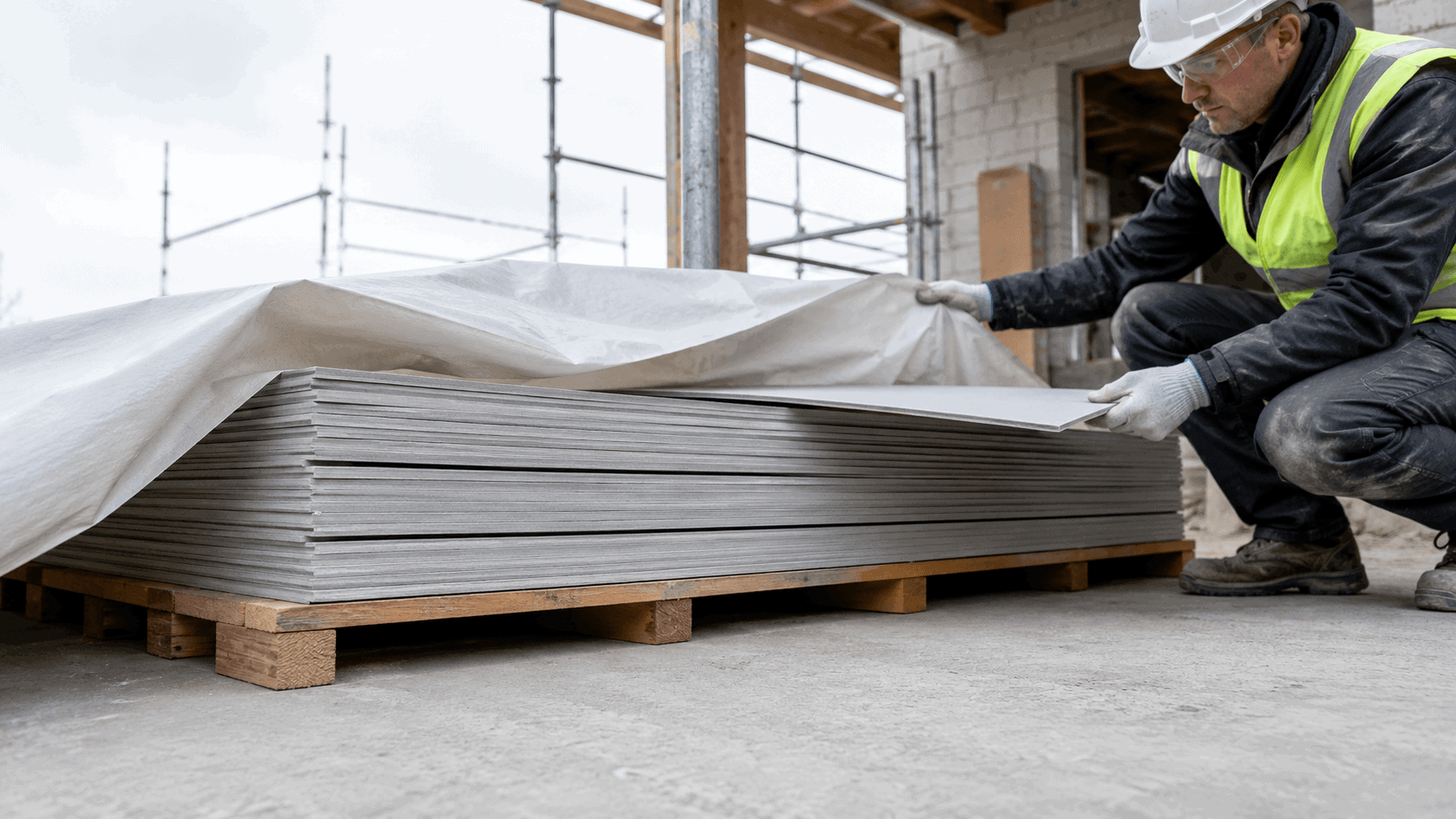
Staining on fiber cement boards can usually be prevented with correct storage, handling, and site protection.
Fiber cement boards are durable construction materials. However, like many board products, their surface can still be affected by poor site conditions before installation.
Dust, mud, standing water, metal residue, packaging marks, cement slurry, and careless handling can all leave visible marks on the board surface.
This does not always mean the board has failed. In many cases, staining is a surface issue caused by storage or site exposure. But it can still create problems for contractors, especially when the boards will be painted, coated, rendered, or left visible in some areas.
This guide explains how to prevent staining on fiber cement boards during storage and installation.
Why Fiber Cement Boards Can Become Stained
Fiber cement boards are often delivered to busy construction sites. These sites may have rain, dust, mud, cutting waste, wet pallets, metal tools, cement products, and other materials stored nearby.
Staining can happen when the board surface comes into contact with contaminants.
Common causes include:
- Rainwater trapped between boards
- Mud or dirty site water
- Dust from cutting or drilling
- Rust from metal objects
- Marks from wet packaging
- Cement slurry or mortar splashes
- Paint or primer spills
- Oil or grease from tools
- Foot traffic over stored boards
- Boards stored directly on wet ground
Most staining issues are avoidable. The key is to protect the boards before and during installation.
Store Fiber Cement Boards Off the Ground
Fiber cement boards should not be stored directly on soil, concrete, mud, or wet surfaces.
They should be placed on a flat, dry, and stable platform. Pallets or bearers help keep the boards away from ground moisture.
Good storage helps prevent:
- Surface staining
- Edge contamination
- Board distortion
- Moisture marks
- Mud transfer
- Damage during lifting
The storage surface should be level. If boards are stored on uneven supports, they may bend or become stressed.
Keep Boards Covered Before Installation
Boards should be protected from rain, dust, and site dirt before installation.
Use suitable covers, sheeting, or original packaging where possible. The cover should protect the boards but should not trap moisture inside.
A good cover should:
- Keep rain away
- Allow some ventilation
- Prevent dust build-up
- Protect from splashes
- Stay secure in wind
- Avoid direct contact with dirty surfaces
Do not use covers that create condensation or trap water between boards for long periods.
The goal is to protect the boards while still allowing them to remain dry and ventilated.
Avoid Trapped Water Between Boards
Water trapped between stacked boards can cause visible staining.
This may happen when boards are exposed to rain and then left tightly stacked without drying.
Trapped water can leave:
- Dark patches
- Edge stains
- Uneven colour marks
- Surface rings
- Packaging marks
- Dirt deposits
If boards become wet during storage, separate them carefully where practical and allow air circulation.
Do not install boards while visible trapped moisture or dirt remains on the surface.
Keep Packaging Clean and Dry
Packaging helps protect fiber cement boards during transport. However, damaged or wet packaging can also cause marks if it remains in contact with the board surface for too long.
Check packaging when boards arrive on site.
Look for:
- Torn wrapping
- Wet plastic
- Dirty pallet surfaces
- Standing water
- Mud on lower boards
- Rusty metal straps
- Damaged corner protection
If the packaging is wet or damaged, inspect the boards and improve the storage condition immediately.
Packaging is useful, but it should not be trusted blindly if the site conditions are poor.
Do Not Store Other Materials on Top of Boards
Fiber cement boards should not be used as a temporary storage table.
Avoid placing the following items directly on the boards:
- Metal tools
- Paint cans
- Cement bags
- Mortar buckets
- Adhesive tubs
- Oily equipment
- Timber offcuts
- Screws and fixings
- Wet insulation
- Dirty boots or gloves
These items can leave stains, scratches, dents, or pressure marks.
The board surface should be kept clean until installation and finishing are complete.
Protect Boards From Rust Marks
Rust can stain fiber cement boards if metal objects are left on the surface, especially in wet conditions.
This can happen with:
- Steel tools
- Loose screws
- Metal straps
- Rusty pallets
- Cut metal profiles
- Temporary brackets
- Wire pieces
- Scaffold parts
Rust stains can be difficult to remove once they enter the surface.
To reduce this risk, keep metal objects away from stored boards and avoid contact between wet metal and board surfaces.
Control Dust During Cutting and Drilling
Cutting and drilling can create dust. If this dust remains on the board surface and becomes wet, it may form visible marks.
Dust can also affect primer, paint, adhesive, or sealant performance.
After cutting or drilling:
- Remove loose dust
- Clean the board surface
- Avoid spreading dust over finished faces
- Keep cut boards away from wet areas
- Use suitable dust control methods
- Follow health and safety requirements
A clean board surface gives better results during finishing.
Avoid Mud and Dirty Site Water
Mud and dirty water are common causes of surface staining.
This is especially important on external sites, rainy sites, and projects where boards are stored near ground level.
Prevent mud staining by:
- Keeping boards off the ground
- Covering stored boards
- Avoiding storage near vehicle routes
- Keeping boards away from splash zones
- Using clean gloves when handling boards
- Cleaning work areas before installation
Once mud dries on the board surface, it can leave uneven marks and may affect finishing.
Handle Boards With Clean Gloves
Clean handling makes a difference.
Dirty gloves can transfer oil, mud, cement dust, grease, or sealant onto board surfaces.
This is especially important when the boards will be painted, coated, rendered, or used as visible backing surfaces.
Installers should avoid touching the main visible face with dirty hands or gloves.
Good handling reduces:
- Finger marks
- Grease stains
- Surface contamination
- Poor paint adhesion
- Cleaning work before finishing
Small habits on site often prevent big appearance problems later.
Protect Installed Boards Before Finishing
Staining can happen after installation as well.
Once boards are fixed, they may still be exposed to rain, dust, splashes, and other trades working nearby.
Installed boards should be protected from:
- Wet mortar
- Plaster splashes
- Paint overspray
- Cutting dust
- Sealant smears
- Roof water runoff
- Scaffold dirt
- Ground splashback
- Other trade damage
If boards are installed before the final finish, the site team should plan temporary protection.
Do not assume that fixed boards no longer need care.
Watch Out for Cement, Mortar, and Render Splashes
Cement-based splashes can leave marks on fiber cement board surfaces.
Mortar, render, grout, and cement slurry should be cleaned before they harden.
Once hardened, removal may damage the board surface or leave visible patches.
To prevent this:
- Cover nearby boards during wet trades
- Clean splashes quickly
- Avoid dragging tools across the surface
- Do not wash dirty cement water over boards
- Keep mixing areas away from stored boards
This is especially important when boards are installed before rendering, tiling, or finishing work begins.
Prevent Oil and Grease Contamination
Oil and grease can create serious surface problems.
They may affect paint, primer, render, adhesive, or coating adhesion.
Sources of oil and grease include:
- Tools
- Machinery
- Dirty gloves
- Cutting equipment
- Vehicle contact
- Sealant residue
- Site chemicals
If oil or grease gets onto the board surface, it should be cleaned according to the board and coating manufacturer’s recommendations.
Do not paint or coat over contaminated areas without proper preparation.
Keep Boards Away From Direct Splash Zones
Boards stored or installed near the ground can be exposed to splashback from rainwater.
This can carry soil, cement dust, or site dirt onto the surface.
This risk is higher around:
- Building bases
- Unfinished ground
- Scaffold areas
- Vehicle routes
- Drainage zones
- Open roof edges
- Temporary downpipes
- Concrete pouring areas
Good site planning can prevent staining before it starts.
Store boards in a protected area and avoid placing them where dirty water can hit them.
Inspect Boards Before Installation
Before installation, inspect the boards visually.
Check for:
- Surface stains
- Wet patches
- Mud marks
- Rust marks
- Packaging marks
- Edge contamination
- Scratches
- Oil or grease marks
- Dust build-up
If boards are stained before installation, do not hide the problem by fixing them immediately.
Decide whether the boards need cleaning, drying, surface preparation, or replacement depending on the project requirement.
Clean Light Surface Marks Carefully
Some light marks may be removable if they are addressed early.
General cleaning may involve dry brushing, dust removal, or careful wiping, depending on the type of mark.
However, aggressive cleaning can damage the surface.
Avoid:
- Harsh chemicals unless approved
- Heavy scraping
- Abrasive grinding
- Excessive water washing
- Cleaning methods that force dirt deeper into the surface
Always check manufacturer guidance before using cleaning products.
When in doubt, test a small area first.
Staining and Final Finishes
Surface stains matter more when the board will receive a finish.
Staining can affect:
- Paint appearance
- Primer adhesion
- Render bonding
- Tile adhesive performance
- Coating consistency
- Final colour uniformity
Before finishing, the surface should be clean, dry, and free from loose dust, oil, grease, and contaminants.
A stained board is not always unusable. But the cause of the stain should be understood before applying the final finish.
Common Mistakes to Avoid
Avoid these common mistakes when storing and installing fiber cement boards:
- Storing boards directly on wet ground
- Leaving boards uncovered in heavy rain
- Trapping water between stacked boards
- Using boards as a temporary workbench
- Placing rusty metal tools on board surfaces
- Walking over boards with dirty boots
- Installing visibly dirty boards
- Ignoring wet or damaged packaging
- Allowing mortar or render splashes to dry
- Painting over dust, oil, or grease
- Storing boards near mud, vehicles, or splash zones
- Forgetting to protect installed boards before finishing
Most stains are caused by site conditions, not by the board itself.
Site Checklist to Prevent Staining
Before and during installation, check the following:
- Are the boards stored off the ground?
- Is the storage area flat, dry, and stable?
- Are the boards covered but ventilated?
- Is water prevented from collecting between boards?
- Is the packaging clean and dry?
- Are other materials kept off the board surface?
- Are metal objects kept away from wet boards?
- Are installers using clean gloves?
- Is cutting dust removed before finishing?
- Are installed boards protected from splashes?
- Are boards inspected before installation?
- Are stained areas cleaned or assessed before coating?
This simple checklist can prevent many site complaints.
Final Thoughts
Staining on fiber cement boards is usually preventable.
The most important steps are simple: store the boards off the ground, keep them covered and ventilated, avoid trapped water, protect them from mud and rust, and handle them with clean gloves.
During installation, remove dust, avoid wet trade splashes, and protect installed boards before the final finish is applied.
With good site practice, fiber cement boards can remain clean, stable, and ready for painting, rendering, cladding, or other finishing systems.
A clean board surface is not just about appearance. It also supports better adhesion, better finishing, and a more professional final result.
👉 Visit the Smartfiber Fiber Cement Board page to explore specs, sizes, and delivery options.
Authored by Smartcon Int’l. Trade & Marketing Ltd. on 08.05.2026. All rights reserved.
Façade specification
Need the right board for your façade system?
Share the façade build-up, exposure conditions, finish and documentation requirements. We can help assess the appropriate board and coordinate supply.