
Blog
How to Fix Aluminium Composite Panels: Practical Methods for Façades and Cladding
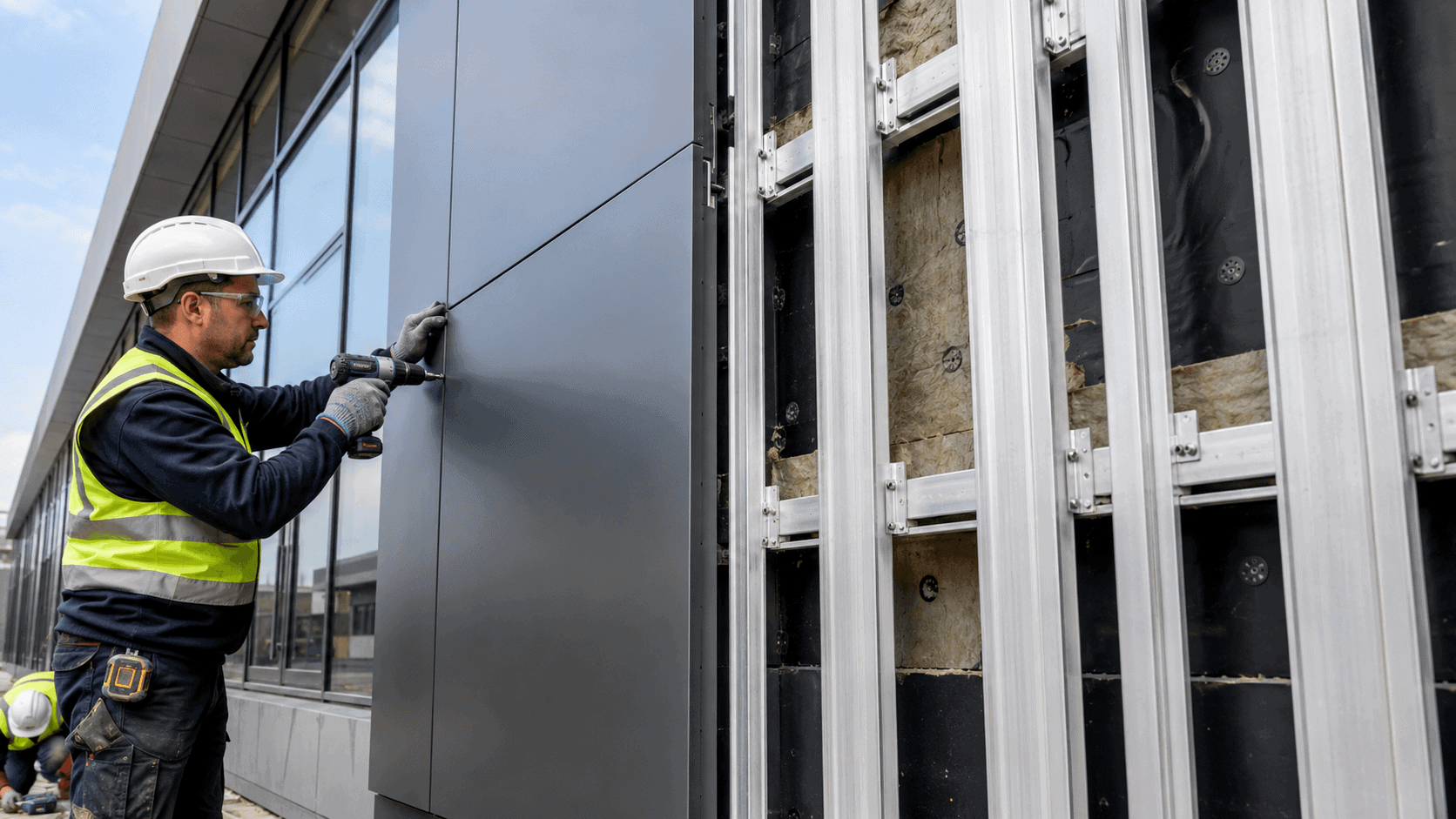
Aluminium composite panels are widely used in modern façades, shopfronts, canopies, signage, architectural details, and internal wall applications. They are lightweight, visually clean, easy to fabricate, and suitable for many different design styles.
However, the final performance of aluminium composite panels does not depend only on the panel itself. It also depends on the right fixing method, proper subframe preparation, correct joint design, and careful installation practice.
When ACP panels are installed correctly, they can create a smooth, modern, and durable surface. When they are fixed incorrectly, problems such as panel waviness, loose fixings, water ingress, visible stains, poor alignment, and thermal movement issues may appear.
This guide explains the most common aluminium composite panel fixing methods and what contractors, façade installers, sign makers, architects, and procurement teams should check before installation.
What Are the Main Aluminium Composite Panel Fixing Methods?
There is no single fixing method suitable for every ACP project. The correct method depends on the application, panel size, building height, wind exposure, façade design, budget, and required appearance.
The most common aluminium composite panel fixing methods are:
- Screw fixing
- Rivet fixing
- Cassette panel installation
- Adhesive fixing
- Clamp or profile fixing
- Hybrid fixing systems
Each method has advantages. The important point is to match the fixing system with the project requirements.
1. Screw Fixing for Aluminium Composite Panels
Screw fixing is one of the simplest and most common methods for fixing aluminium composite panels. It is often used for signage, shopfronts, internal applications, small cladding areas, and some external installations.
In this method, the panel is fixed directly to a suitable subframe or backing structure using screws.
Where Screw Fixing Is Commonly Used
Screw fixing is suitable for:
- Signage boards
- Shopfront panels
- Interior wall cladding
- Fascia panels
- Small external cladding areas
- Temporary or easily replaceable panels
It is practical, fast, and easy to understand. For many basic applications, it can be a reliable solution when done properly.
What to Check Before Screw Fixing
Before using screws, installers should check:
- The subframe is straight and stable
- The screw type is suitable for aluminium
- The fixing points are evenly spaced
- The holes allow for slight panel movement
- The screws are not over-tightened
- The panel surface is protected during installation
One common mistake is tightening screws too much. This can restrict movement and create stress around the fixing points. Over time, this may lead to distortion, visible marks, or panel deformation.
Best Practice Tip
Use suitable washers where needed and avoid forcing the panel tightly against the subframe. ACP panels need controlled support, not excessive pressure.
2. Rivet Fixing for Aluminium Composite Panels
Rivet fixing is another common method for aluminium composite panel installation. It is often used in cladding, façade details, signage, and external applications where mechanical fixing is required.
Rivets provide a strong and consistent fixing point. They are especially useful when panels are fixed to aluminium rails or metal support systems.
Where Rivet Fixing Is Commonly Used
Rivet fixing is suitable for:
- External cladding
- Rainscreen façade applications
- Architectural panels
- Signage structures
- Canopy cladding
- Commercial building façades
Rivets can be visible, so they are often used where the design accepts exposed fixings. In some projects, visible rivets can even create a clean technical appearance.
3. Important Points for Rivet Fixing
When fixing ACP panels with rivets, installers should pay attention to:
- Correct hole diameter
- Suitable edge distance
- Correct rivet material
- Thermal movement allowance
- Even fixing pattern
- Avoiding over-compression of the panel
The hole in the panel is often slightly larger than the rivet body. This allows the panel to move slightly with temperature changes. If the hole is too tight, thermal movement may be restricted.
Best Practice Tip
Use fixed and sliding points correctly. Fixed points control the panel position, while sliding points allow movement. This helps reduce stress and improves long-term appearance.
4. Cassette System Installation
Cassette installation is one of the most professional fixing methods for aluminium composite panel façades. In this system, the ACP sheet is routed, folded, and fabricated into a tray or cassette shape. The cassette is then fixed to a prepared subframe.
This method creates a clean, premium appearance because the fixings are usually hidden.
Where Cassette Systems Are Used
Cassette systems are commonly used for:
- Commercial façades
- Office buildings
- Retail buildings
- Hotels
- Showrooms
- Premium shopfronts
- Large architectural cladding areas
Cassette systems are especially useful when the project requires a flat, clean, high-quality façade finish.
Advantages of Cassette Installation
Cassette systems offer several practical advantages:
- Hidden fixings
- Clean joint lines
- Better panel stiffness
- Improved façade appearance
- Easier panel replacement in some systems
- Suitable for rainscreen façade build-ups
The folded edges of the cassette can improve panel rigidity. This helps reduce visible movement and supports a cleaner surface.
5. What to Check Before Cassette Installation
Before installing cassette panels, contractors should check:
- The panel has been routed and folded correctly
- The subframe is aligned and level
- The cassette dimensions are accurate
- The joint gaps are consistent
- The fixing brackets or rails are properly positioned
- The ventilation cavity is maintained
Cassette systems require more planning than direct screw or rivet fixing. Poor subframe preparation can affect the whole façade appearance.
Best Practice Tip
Cassette panels should be fabricated according to the approved drawings. Small dimensional errors can become very visible once panels are installed side by side.
6. Adhesive Fixing for Aluminium Composite Panels
Adhesive fixing is used when a clean surface without visible screws or rivets is required. It can be suitable for signage, interiors, shopfronts, and selected cladding applications.
In this method, the panel is bonded to the backing structure or support frame using a compatible adhesive system.
Where Adhesive Fixing Is Commonly Used
Adhesive fixing can be used for:
- Interior wall panels
- Signage
- Shopfront details
- Decorative cladding
- Small architectural features
- Areas where visible fixings are not desired
It can create a very clean finish. However, adhesive fixing requires careful preparation.
Important Checks for Adhesive Fixing
Before using adhesive, installers should check:
- The surface is clean, dry, and dust-free
- The adhesive is compatible with ACP and the substrate
- Primer is used if required
- Weather conditions are suitable
- The curing time is respected
- Temporary support is provided if needed
- The panel size and weight are suitable for bonding
Adhesive fixing should not be treated as a shortcut. If the surface is dirty, wet, oily, or unsuitable, the bond may fail.
Best Practice Tip
Always follow the adhesive manufacturer’s instructions. Surface preparation, temperature, humidity, primer, and curing time are critical for long-term performance.
7. Profile and Clamp Fixing Systems
Profile and clamp systems use aluminium or metal profiles to hold the panels in place. These systems are often used for signage, partitions, interior applications, and some façade details.
The panel edges may be inserted into channels or held by special fixing profiles.
Where Profile Fixing Is Useful
Profile fixing may be useful for:
- Signage frames
- Interior cladding
- Shop displays
- Decorative panels
- Partitions
- Replaceable panel systems
This method can be practical when panels may need to be removed or changed later.
What to Check
Installers should check:
- The profile is suitable for the panel thickness
- The panel edges are clean and well finished
- The panel is not forced tightly into the profile
- Movement allowance is considered
- The profile is fixed to a stable structure
- Water drainage is considered for external use
For external applications, drainage and weather exposure should be considered carefully.
8. Hybrid Fixing Systems
Some projects use more than one fixing method. For example, an ACP panel may be supported mechanically but also bonded in certain areas. A cassette façade may include brackets, profiles, and hidden fixings.
Hybrid systems are often used when the project has specific design, performance, or installation requirements.
When Hybrid Fixing May Be Useful
Hybrid fixing may be useful for:
- Large façade areas
- Complex architectural details
- Projects with hidden fixing requirements
- Areas exposed to wind pressure
- Premium shopfronts
- Canopies and soffits
- Projects requiring extra installation control
The key point is that all fixing components should work together. A hybrid system should be designed intentionally, not improvised on site.
Why Subframe Preparation Is Critical
Many ACP installation problems begin with poor subframe preparation. Even a high-quality panel can look poor if it is fixed onto an uneven or unstable structure.
Before installation, the subframe should be checked for:
- Straightness
- Levelness
- Stability
- Correct spacing
- Suitable material compatibility
- Corrosion resistance
- Secure anchoring
- Ventilation space where required
If the subframe is not aligned, the panels may appear wavy or uneven. This can create the impression of poor panel quality, even when the real problem is the supporting structure.
Best Practice Tip
Do not use ACP panels to hide major subframe defects. The panels will usually reflect the quality of the surface or structure behind them.
Allowing for Thermal Movement
Aluminium expands and contracts with temperature changes. This is normal. However, if panels are fixed too tightly, thermal movement can create stress.
This may lead to:
- Panel distortion
- Waviness
- Noisy movement
- Stress around fixing points
- Sealant failure
- Joint irregularities
To reduce these risks, installers should allow controlled movement through correct hole sizes, suitable joint gaps, and proper fixing design.
Why Joint Gaps Matter
Joint gaps are not only visual details. They help the façade manage movement, drainage, ventilation, and installation tolerance.
Good joint design helps create:
- Cleaner appearance
- Better alignment
- Reduced stress
- Easier panel replacement
- Improved water management
- More professional façade detailing
Very tight joints may look attractive at first, but they can become problematic if movement has not been considered.
Common Aluminium Composite Panel Fixing Mistakes
Many ACP problems can be avoided with careful planning and installation. Common mistakes include:
- Installing panels on an uneven subframe
- Over-tightening screws or rivets
- Ignoring thermal movement
- Leaving inconsistent joint gaps
- Using unsuitable fixings
- Mixing incompatible metals
- Removing protective film too late
- Damaging the panel surface during installation
- Using adhesive without proper surface preparation
- Installing oversized panels without enough support
- Poor sealing around joints and edges
These mistakes can affect both appearance and long-term performance.
How to Choose the Right Fixing Method
The best fixing method depends on the project. Before choosing a system, ask these questions:
- Is the panel used internally or externally?
- Is the fixing visible or hidden?
- What is the panel size?
- What is the wind exposure?
- Is the project a façade, sign, canopy, or shopfront?
- Is fire-rated ACP required?
- Is the subframe aluminium, steel, timber, or another material?
- Will the panels need to be removed or replaced later?
- Is thermal movement allowed for?
- What appearance does the designer expect?
Answering these questions helps prevent wrong fixing choices.
Practical Fixing Method Summary
For simple signage and small panels, screw fixing or adhesive fixing may be practical.
For external cladding and façade details, rivet fixing or cassette systems are often more suitable.
For premium façades where a clean appearance is important, cassette systems or hidden fixing methods may be preferred.
For decorative interiors or shopfront details, adhesive or profile fixing may create a clean finish.
However, every project should be assessed according to its own requirements.
Final Thoughts
Aluminium composite panels are practical, lightweight, modern, and versatile. They can be used for façades, cladding, shopfronts, signage, canopies, interior walls, and architectural details.
However, successful installation depends on more than choosing the panel. The fixing method, subframe, joint design, movement allowance, and workmanship all play an important role.
When ACP panels are selected and installed correctly, they can provide a clean, durable, and professional finish. By choosing the right fixing method and avoiding common installation mistakes, contractors and specifiers can reduce risk and achieve a better final result.
For façade contractors, architects, sign makers, developers, and procurement teams, the key message is simple: aluminium composite panels perform best when the fixing system is planned before installation begins.
Need pricing, technical documents, or loading guidance for aluminium composite panels? Contact Smartcon with your required thickness, panel dimensions, coating type, fire rating, quantity, and delivery destination. Our team will help you review the suitable SmartACP options and provide practical export support from Turkey.
Explore our full range of Smartcon Aluminium Composite Panels, designed for architects and modern projects.
Authored by Smartcon Int’l. Trade & Marketing Ltd. on 26.05.2026. All rights reserved.
Façade specification
Selecting aluminium cladding for a façade?
Share the application, finish, fire classification and fabrication requirements. We can help assess the appropriate panel specification and supply route.