
Blog
How to Detail Fiber Cement Boards at the Base of External Walls
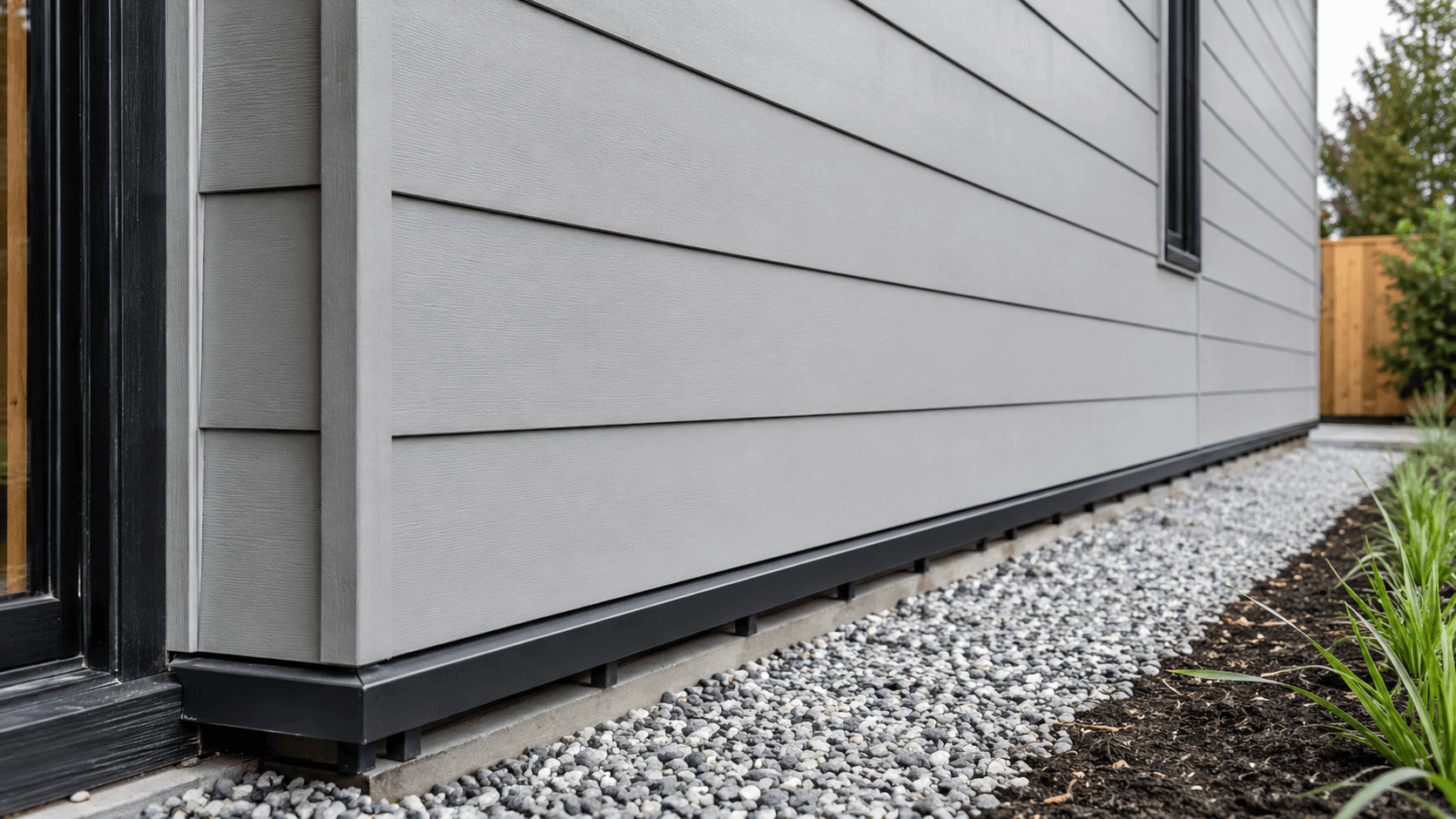
The base of an external wall is one of the most important areas in a fiber cement board installation.
This area is close to the ground. It may be exposed to rain splashback, surface water, mud, impact, insects, damp materials, and poor drainage. If the base detail is not planned correctly, moisture and dirt can affect the wall system over time.
Fiber cement boards are durable and practical materials for external sheathing and façade systems. But like every building material, they must be installed with the right detailing.
This guide explains how to detail fiber cement boards at the base of external walls to help reduce moisture risk, staining, damage, and installation problems.
Why the Base of the Wall Matters
The base of the wall is a high-risk zone.
It is often exposed to more moisture and dirt than other parts of the wall. Rainwater can hit the ground and splash back onto the lower part of the façade. Soil, dust, cement particles, and other contaminants can also collect near the wall base.
Poor base detailing can lead to:
- Surface staining
- Edge contamination
- Moisture exposure
- Board edge damage
- Poor drying
- Insect entry
- Trapped dirt
- Coating failure
- Joint problems
- Reduced long-term appearance
This does not mean fiber cement boards are weak. It means the base of the wall needs proper design and installation.
Keep Fiber Cement Boards Away From Standing Water
Fiber cement boards should not be installed where they remain in direct contact with standing water.
The bottom edge of the board should be protected from areas where water can collect. This is especially important near:
- Ground level
- Paving
- Flat roofs
- Balconies
- Terraces
- Drainage channels
- Soil beds
- Concrete slabs
- Unfinished external ground
If the board is too close to standing water, the lower edge may become dirty, stained, or exposed to unnecessary moisture.
The aim is simple: water should be directed away from the wall base, not held against it.
Maintain Proper Ground Clearance
Ground clearance is one of the most important base details.
The board should be installed with enough distance from finished ground level, paving, or roof surfaces. This helps reduce splashback, moisture contact, and dirt transfer.
The required clearance depends on:
- Project design
- Local climate
- Ground finish
- Drainage quality
- Façade system
- Manufacturer guidance
- Local regulations
As a general rule, external wall boards should not sit directly on the ground or paving.
Clearance gives the wall system space to dry and helps protect the bottom edge.
Consider Rain Splashback
Rain splashback can carry dirt and moisture onto the lower part of the wall.
This is common when the board is installed above:
- Soil
- Gravel
- Concrete
- Stone paving
- Roof surfaces
- Poorly drained areas
Splashback can cause surface marks, staining, or repeated wetting of the lower board area.
To reduce splashback risk:
- Keep suitable clearance from ground level
- Use proper drainage
- Avoid placing boards too close to soil
- Consider gravel strips where suitable
- Keep finished ground sloping away from the wall
- Protect the lower edge with correct base trims or details
Good base design helps keep the lower façade cleaner for longer.
Use a Suitable Base Track or Starter Profile
In many wall systems, the base of the board may require a starter profile, base track, or support trim.
This can help:
- Support the first row of boards
- Keep the board line straight
- Protect the lower edge
- Improve alignment
- Create a cleaner finish
- Support drainage or ventilation details
- Reduce direct exposure of the board edge
The profile must be compatible with the board, façade system, and external conditions.
It should not trap water against the board edge. If the base profile collects water, it can create the problem it was supposed to prevent.
Do Not Trap Moisture at the Bottom Edge
One of the most common mistakes is closing the base detail too tightly.
If the bottom of the board system is sealed in a way that traps water, moisture may remain behind the board or inside the wall build-up.
This can affect:
- Timber battens
- Insulation
- Membranes
- Fixings
- Coatings
- Sealants
- Board edges
- Internal wall layers
The base detail should allow water to drain away and the system to dry where required.
Moisture control is not only about blocking water. It is also about giving the system a safe way to drain and dry.
Protect the Bottom Edge of the Board
The lower edge of fiber cement boards should be protected from impact, dirt, and moisture exposure.
Depending on the system, protection may include:
- Edge sealing
- Base trim
- Starter profile
- Flashing
- Drip detail
- Suitable coating
- Clearance from ground
- Correct drainage
- Ventilation opening protection
The exact detail depends on the project and manufacturer recommendations.
If the board edge is cut on site, it may require additional attention before installation.
Allow Drainage Where Needed
External wall systems often need drainage paths.
This is especially important in rainscreen façades, ventilated façades, and sheathing systems behind cladding.
Any water that enters the cavity must be able to leave safely.
At the base of the wall, check:
- Drainage route
- Cavity opening
- Drip edge
- Base flashing
- Ventilation opening
- Insect mesh
- Weep path
- Ground clearance
Do not block the base cavity with sealant, mortar, insulation, or debris.
A wall system that cannot drain properly may develop hidden moisture problems.
Maintain Ventilation at the Base
Ventilation may be required behind certain external wall systems.
In ventilated façades or rainscreen systems, the base of the wall often allows air to enter the cavity.
This helps the system dry and perform properly.
However, the opening should be protected.
A good base ventilation detail may include:
- Air entry gap
- Insect mesh
- Drainage path
- Base profile
- Protection from rodents
- Protection from debris
- Clear separation from ground level
Ventilation should not be blocked by poor installation or later site work.
Use Insect Mesh Where Required
Base openings can allow insects or small debris to enter the cavity if they are left unprotected.
Insect mesh or cavity protection may be needed where ventilation or drainage openings exist.
This helps protect the wall system while still allowing air and water movement.
The mesh should be installed properly and should not block drainage.
A badly fitted mesh can collect dirt or restrict airflow.
Pay Attention to Paving and Landscaping
Many base problems happen after the wall has already been installed.
For example, the wall may be detailed correctly at first, but later paving, landscaping, or soil levels are raised too high.
This can reduce clearance and expose the board to moisture.
Specifiers and site teams should coordinate base details with:
- Final ground level
- Paving level
- Landscape design
- Drainage channels
- Gravel strips
- Door thresholds
- Balcony levels
- Terrace finishes
The finished ground level matters more than the temporary construction level.
Avoid Direct Contact With Soil
Fiber cement boards should not be buried into soil or installed directly against earth.
Soil can hold moisture and salts. It can also create staining and keep the board edge wet for long periods.
If landscaping is planned near the wall, make sure there is enough separation between the board and the soil.
Good practice may include:
- Keeping soil away from the board
- Using gravel or drainage strips
- Sloping ground away from the building
- Protecting the wall base
- Maintaining inspection access
The lower edge should remain visible, accessible, and protected.
Consider Impact Damage at Ground Level
The base of the wall is more likely to be hit or damaged.
Common sources of impact include:
- Site equipment
- Foot traffic
- Trolleys
- Pallets
- Tools
- Landscaping work
- Cleaning equipment
- Vehicles near service areas
If the lower wall area is exposed to impact risk, the detail may require stronger protection.
This could include thicker boards, protective trims, plinth details, kick plates, or other system-specific solutions.
Impact risk should be considered early, not after the damage has happened.
Protect the Wall Base During Construction
Even if the final base detail is correct, damage can happen during construction.
Installed boards may be exposed to mud, rain, cement splashes, plaster, scaffold dirt, and other trades.
To protect the base area:
- Keep site drainage clear
- Avoid storing materials against the wall
- Protect lower boards from splashes
- Do not lean tools or profiles against boards
- Keep soil and mud away from the base
- Clean minor dirt before it hardens
- Avoid cutting dusty materials near finished boards
The wall base should be protected until the final external works are complete.
Coordinate With Waterproofing and Membranes
The base of an external wall often connects with waterproofing layers, breather membranes, DPCs, flashings, and other moisture-control components.
These layers must work together.
The fiber cement board detail should not interrupt or damage:
- Breather membranes
- Damp-proof courses
- Flashings
- Waterproofing layers
- Air barriers
- Vapour control layers
- Drainage membranes
If the board is installed correctly but the membrane is cut, folded badly, or blocked, the wall system can still fail.
Good detailing means all layers are coordinated.
Check the Base Detail Around Doors and Thresholds
Door thresholds are sensitive areas.
At external doors, balcony doors, and terrace openings, the base of the board system may meet different levels and materials.
These areas need special care because they are exposed to:
- Foot traffic
- Rainwater
- Cleaning water
- Thermal movement
- Sealant joints
- Flashings
- Threshold drainage
The board should not be forced into awkward gaps around thresholds.
Proper clearance, flashing, sealing, and movement detailing are important.
Common Mistakes to Avoid
Avoid these common mistakes when detailing fiber cement boards at the base of external walls:
- Installing boards directly against ground level
- Allowing boards to touch soil
- Ignoring rain splashback
- Blocking ventilation openings
- Blocking drainage paths
- Using base trims that trap water
- Forgetting insect mesh where required
- Raising paving after installation and reducing clearance
- Leaving cut board edges untreated
- Storing materials against installed boards
- Allowing cement splashes to dry on the lower wall
- Ignoring impact risk at ground level
- Treating the base detail as a cosmetic finish only
Most base problems are caused by poor coordination, not by the board itself.
Site Checklist for Base Detailing
Before installation, check the following:
- Is the final ground level known?
- Is the board kept clear of soil and standing water?
- Is there enough clearance from paving or roof surfaces?
- Is rain splashback considered?
- Is the lower edge protected?
- Is drainage allowed where required?
- Is ventilation maintained where required?
- Is insect mesh needed?
- Are base profiles compatible with the system?
- Are membranes and flashings coordinated?
- Are door thresholds detailed correctly?
- Is impact protection needed at ground level?
- Will later landscaping reduce the clearance?
This checklist helps prevent many common site issues.
Final Thoughts
The base of an external wall is a small area with a big impact on long-term performance.
Fiber cement boards can be a dependable solution for external sheathing, façade backing, and modern wall systems. But the lower edge must be protected from standing water, dirt, splashback, trapped moisture, and impact damage.
Good base detailing includes proper ground clearance, drainage, ventilation, edge protection, compatible trims, and coordination with membranes and final ground levels.
When the base detail is planned correctly, fiber cement boards can perform reliably and maintain a cleaner, more professional finish over time.
👉 Visit the Smartfiber Fiber Cement Board page to explore specs, sizes, and delivery options.
Authored by Smartcon Int’l. Trade & Marketing Ltd. on 08.05.2026. All rights reserved.
Façade specification
Need the right board for your façade system?
Share the façade build-up, exposure conditions, finish and documentation requirements. We can help assess the appropriate board and coordinate supply.