
SMARTCON
Blog

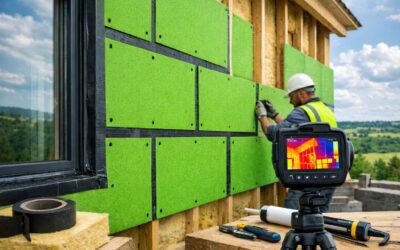
How Exterior Sheathing Boards Improve Airtightness and Energy Efficiency
Airtightness has become one of the most critical performance requirements in modern buildings. As energy costs rise and regulations tighten, uncontrolled air leakage is no longer acceptable in residential, commercial, or industrial construction.
Exterior sheathing boards play a central role in improving airtightness and energy efficiency by forming a continuous,
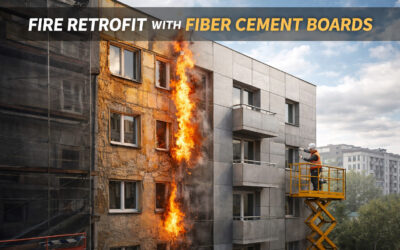
Fiber Cement Boards in Retrofit Fire Upgrades of Existing Buildings
Across Europe and many developed markets, fire safety retrofitting has become one of the most urgent challenges in the built environment. Thousands of residential blocks, commercial buildings, schools, hospitals, and public facilities were constructed at a time when fire regulations were far less demanding than today.
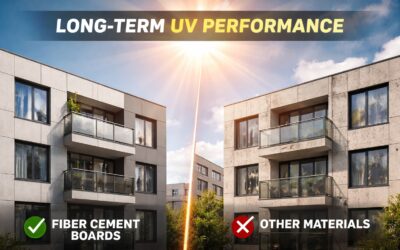
How Fiber Cement Boards Perform Under Long-Term UV Exposure
When selecting exterior cladding materials, long-term durability matters just as much as initial appearance. One of the most overlooked factors in facade performance is UV exposure — constant sunlight that can degrade materials, fade colors, and weaken surfaces over time.
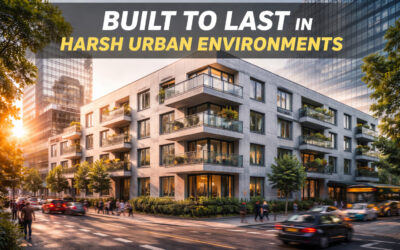
How Fiber Cement Boards Improve Building Longevity in Harsh Urban Environments
Modern cities are demanding environments for buildings. Unlike rural or suburban settings, urban areas expose façades and exterior systems to constant stress from pollution, traffic, moisture, temperature fluctuations, and physical impact. Over time, these conditions accelerate material degradation, increase maintenance costs, and shorten a building’s effective lifespan.
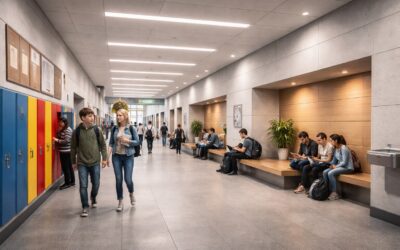
Why Fiber Cement Boards Are Preferred in School and University Buildings
Schools and universities are among the most demanding building environments. They combine high daily foot traffic, strict fire safety regulations, long operating hours, and limited maintenance windows. Materials used in educational buildings must therefore perform reliably for decades while ensuring a safe and healthy environment for students and staff.

Fiber Cement Boards in Transportation Buildings: Stations, Airports, and Terminals
Transportation buildings such as railway stations, airports, metro hubs, and bus terminals are among the most demanding construction environments. These structures must safely accommodate large numbers of people, operate continuously, and meet some of the strictest fire, durability, and maintenance requirements in the built environment.

Can Fiber Cement Boards Replace Gypsum Boards in Fire-Sensitive Areas?
In fire-sensitive areas of buildings, material selection is not just about cost or ease of installation — it is about life safety, regulatory compliance, and long-term risk reduction. For decades, gypsum boards have been widely used as interior wall and ceiling linings. However, in many fire-critical zones, architects, engineers, and contractors are increasingly asking a key question:
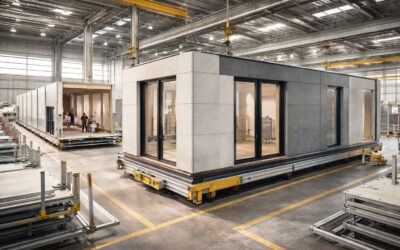
How Fiber Cement Boards Support Faster Project Handover in Prefabricated Construction
In prefabricated and modular construction, time is money. Every day saved during manufacturing, installation, or commissioning directly improves project margins and cash flow.
Material choice plays a much bigger role in project
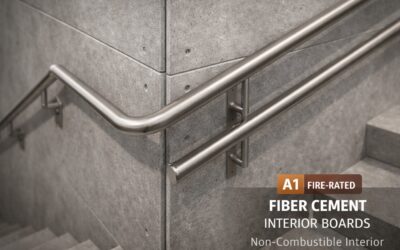
Why Architects Specify Fiber Cement Boards for Fire Escape Routes and Stairwells
Fire escape routes and stairwells are among the most critical areas in any building. These spaces must remain safe, structurally stable, and usable during a fire long enough to allow occupants to evacuate.