
SMARTCON
Blog

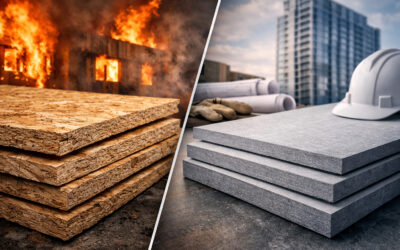
Fiber Cement vs OSB for External Walls: The Fire Safety Decision That Changes Everything
When a project team compares fiber cement board vs OSB, the conversation usually starts with cost. OSB appears cheaper. It is widely available. Contractors are familiar with it. But when the discussion shifts from initial price to fire risk, compliance, insurance exposure, and long-term liability, the decision often changes completely.
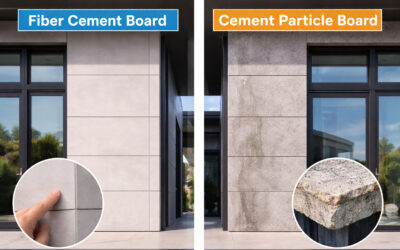
Can Fiber Cement Board Replace Cement Particle Board Safely?
When reviewing façade or sheathing specifications, many architects and contractors revisit an important question: Can fiber cement board safely replace cement particle board in modern construction? The direct answer is: Yes — in most exterior and high-performance applications, fiber cement boards provide a safer and more durable alternative.
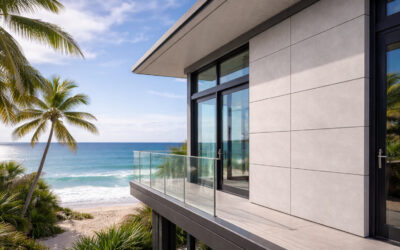
Is Fiber Cement Board Suitable for High-Humidity Climates?
Can fiber cement board withstand constant moisture exposure and humid climates without degrading? The short answer is:
Yes. Fiber cement board is specifically designed to resist humidity, moisture fluctuations, and weather exposure when properly installed within a ventilated system.
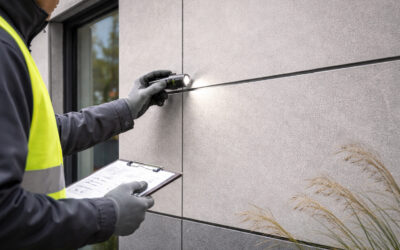
Does Fiber Cement Board Require Special Maintenance After Installation?
When selecting façade materials, one concern often outweighs price: Will this material create maintenance problems in the future? The direct answer is: Fiber cement board does not require special maintenance after installation when correctly specified and installed.
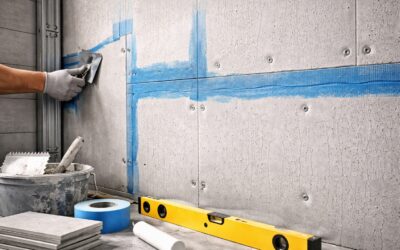
Is Fiber Cement Board Waterproof Enough for Bathrooms and Wet Areas?
When specifying materials for bathrooms, showers, and utility areas, one question comes up repeatedly: Is fiber cement board waterproof — and is it safe to use in wet areas? The short answer is:
Yes, fiber cement board is moisture resistant and highly suitable as a bathroom backing board — but it is not a waterproof membrane on its own.
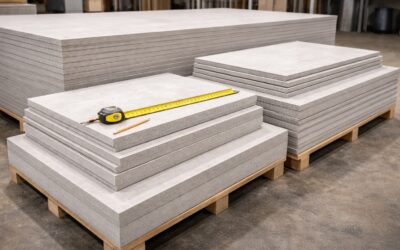
What Are the Standard Sizes of Fiber Cement Boards?
When someone searches for fiber cement board sizes, they are usually not “researching for fun.” They are trying to plan a real job.
The unspoken goal is simple:
Can I estimate quantities, set out elevations, and plan logistics without surprises?
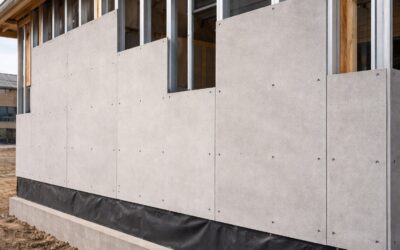
Can Fiber Cement Boards Be Used as Exterior Sheathing?
If you’re considering fiber cement board exterior sheathing, you’re probably looking for one thing above all: certainty.
Not marketing certainty. Project certainty. The real question behind this search is simple:
Can I specify fiber cement boards as exterior sheathing and feel confident it won’t create complications later?
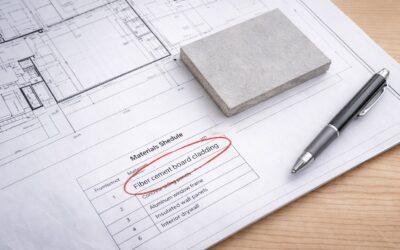
Are Fiber Cement Boards a Conservative or a Risky Choice?
When people search whether fiber cement boards are risky, they are usually not worried about performance on paper.
They are asking a deeper question:
Is this a material that could expose me to criticism, delays, or regret — or is it a conservative, defensible choice?
Are Fiber Cement Boards Considered a “Safe Material” by the Industry?
When architects, contractors, and developers ask whether fiber cement boards are a safe material, they are rarely asking about a single technical property. What they really want to know is simple: