
SMARTCON
Blog

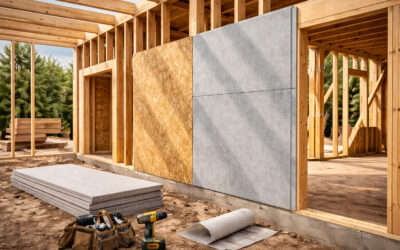
Are Fiber Cement Boards Suitable for Timber Frame Houses?
Timber frame construction is widely used in modern residential and commercial buildings because it allows faster construction, good thermal performance, and efficient structural systems. However, selecting the right external sheathing material is essential for protecting the structure and ensuring long-term performance.
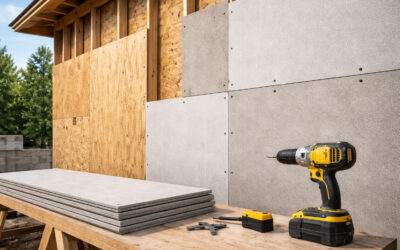
Can Fiber Cement Boards Replace Plywood in Modern Wall Systems?
In modern construction, choosing the right sheathing material for wall systems is a critical decision. Builders and designers often compare fiber cement boards and plywood, especially when looking for solutions that provide durability, safety, and long-term reliability.
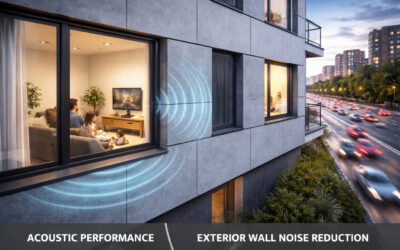
How Fiber Cement Boards Improve Exterior Wall Acoustic Performance
Urban density is increasing. Traffic noise, commercial activity, and public infrastructure all affect building comfort. For schools, hospitals, apartments, and hotels, exterior wall noise reduction is no longer optional. It directly impacts occupant wellbeing and regulatory compliance.
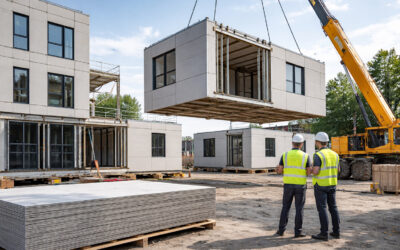
Why Fiber Cement Boards Are Ideal for Modular Construction Projects
Modular and prefabricated building systems rely on precision. Panels are manufactured off-site, transported, lifted into place, and installed quickly. Any movement, warping, or fire compliance issue can delay the entire project.
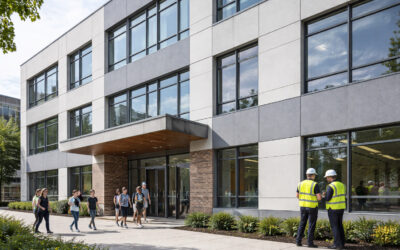
How Fiber Cement Boards Reduce Risk in Public Building Projects
Public buildings operate under higher scrutiny than private developments.
Schools, hospitals, transport hubs, and government facilities must meet strict fire, durability, and safety expectations. Failure is not just a maintenance issue. It becomes a liability issue.
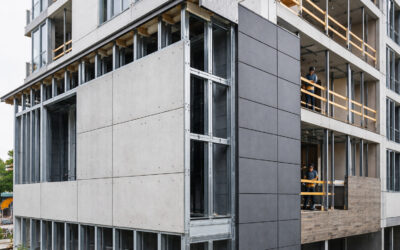
Why Fiber Cement Sheathing Prevents Exterior Wall Failure?
Exterior Wall Failure Is More Common Than Most Projects Admit. Exterior wall failure rarely happens overnight. It develops slowly — moisture intrusion, board movement, fire vulnerability, biological decay, or structural instability behind the façade.
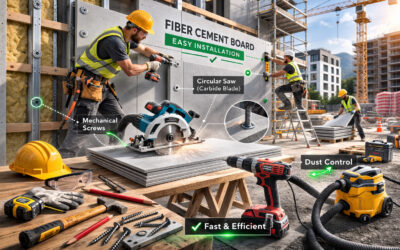
Does Fiber Cement Board Require Special Tools to Install?
When contractors evaluate a new material, one practical question comes first: Will this slow down my team? More specifically: Does fiber cement board require special tools to install?
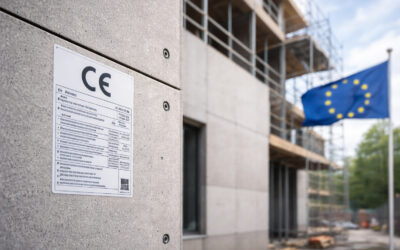
Does Fiber Cement Board Meet European Building Regulations?
When specifying materials for projects in the EU, one question always comes first: Does this product meet European building regulations? For fiber cement boards, the answer is clear: Yes — certified fiber cement boards are designed to comply with European standards for safety, fire performance, and structural use. Here is what that means in practical terms for architects, contractors, and developers.
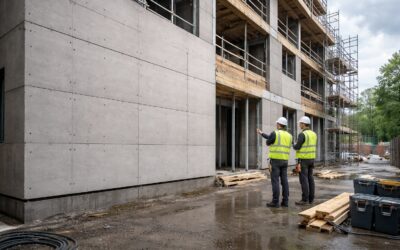
Can Fiber Cement Board Be Left Exposed During Construction?
Construction schedules shift.
Weather changes unexpectedly.
Façade systems are not always closed immediately. A common site question is: Can fiber cement board be left exposed to rain and weather during construction?