
SMARTCON
Blog

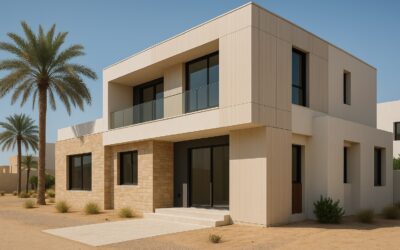
Top Applications of Fiber Cement Boards in Gulf Architecture and Villa Design
The Gulf region has its own unique architectural identity—characterized by modern villas, large façades, clean lines, and materials that can withstand intense heat, humidity, sandstorms, and sunlight. Fiber cement boards
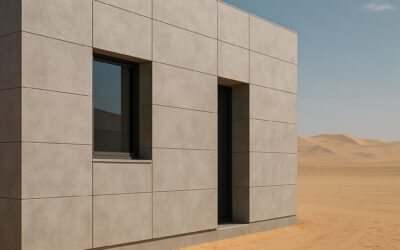
Why Fiber Cement Boards Are Ideal for Gulf Climate Conditions: Heat, Sand, and Humidity Explained
The Gulf region has one of the harshest climates in the world. Extreme heat, sandstorms, intense UV radiation, and coastal humidity place enormous stress on building façades. Many traditional materials—such as plaster,
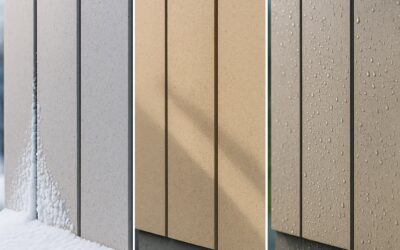
How Weather Conditions Affect Fiber Cement Board Installation: Cold, Heat, and Humidity
Weather can make or break the quality of a fiber cement board installation. Unlike lightweight panels, fiber cement reacts strongly to temperature changes and moisture conditions. If installed under the wrong weather
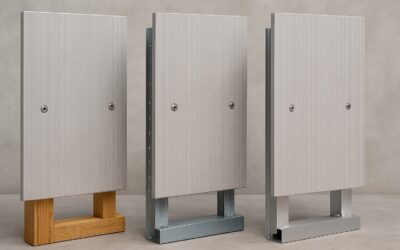
Fiber Cement Board Substructure Requirements: Timber vs. Metal vs. Aluminum
The substructure is one of the most critical components of any fiber cement façade system. Even the highest-quality board will fail if it is installed on an unsuitable or unstable substructure. Choosing the right system—timber, metal, or aluminum

Aluminium Composite Panels vs. Other Façade Materials: Which One Should You Choose?
Choosing the right façade material is one of the most important decisions in any construction project. Modern façades must perform structurally, withstand weather, meet fire requirements, provide insulation, and still deliver a high-quality architectural appearance.

Best Applications of Aluminium Composite Panels in Construction and Design
Aluminium composite panels (ACP) have become one of the most versatile materials in modern construction and architectural design. Their durability, lightweight nature, and aesthetic flexibility make them suitable for a wide range of applications.

Common Mistakes to Avoid When Installing Aluminium Composite Panels
Aluminium composite panels (ACP) offer excellent durability, design flexibility, and long-term performance when installed correctly. However, poor installation practices can significantly reduce panel life, cause deformation, or even create safety risks.

Fire Ratings of Aluminium Composite Panels: What Developers Must Know in 2025
The fire rating of aluminium composite panels is now one of the most important criteria for architects, contractors, and developers. After several global façade-related fire incidents, regulations in the UK and EU have tightened dramatically. Selecting the correct ACP core is no longer optional — it is a compliance requirement.
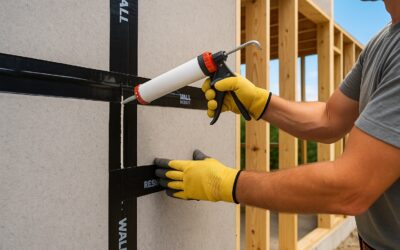
Best Sealants and Tapes for Exterior Sheathing Board Joints
No matter how durable your exterior sheathing board is, poor joint sealing can lead to air leaks, moisture penetration, and long-term façade failure. Properly selected sealants and joint tapes ensure airtightness and watertightness—key for energy-efficient, code-compliant wall assemblies.