
SMARTCON
Blog

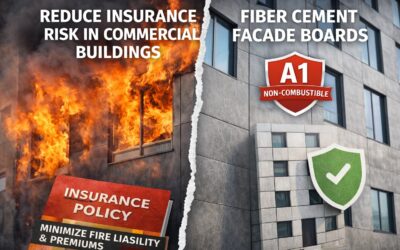
How Fiber Cement Boards Help Reduce Insurance Risk in Commercial Buildings
In commercial construction, material selection is no longer only about cost, aesthetics, or speed. Increasingly, it is about risk — and how that risk is viewed by insurers, investors, and regulators.
Fire safety plays a central role in this equation. Buildings that use fire-resistant,
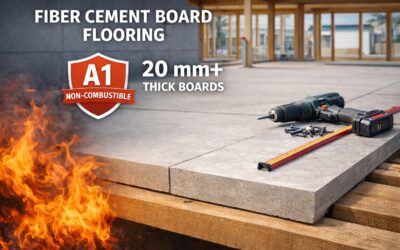
Why Fiber Cement Boards Are Ideal for Flooring in Prefabricated Buildings
Prefabricated buildings rely on systems that are fast to assemble, structurally reliable, and compliant with strict fire regulations. Flooring components play a critical role in the overall performance of these systems — not only in terms of load-bearing capacity, but also fire safety, durability, and long-term stability.
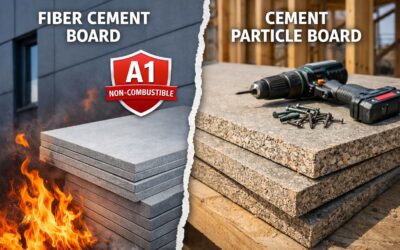
Fiber Cement Board vs Cement Particle Board: Key Differences You Must Know
When selecting boards for facades, exterior walls, or building systems, many professionals compare fiber cement boards with cement particle boards. Both are cement-based products and are often mentioned together, which can make the choice confusing.
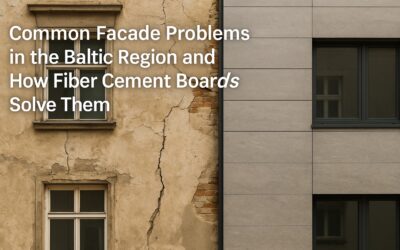
Common Facade Problems in the Baltic Region and How Fiber Cement Boards Solve Them
Facade systems in the Baltic region face some of the toughest environmental conditions in Europe. Moisture, frost, and temperature fluctuations regularly cause facade deterioration in Lithuania, Latvia, and Estonia, especially in older buildings and poorly specified projects.
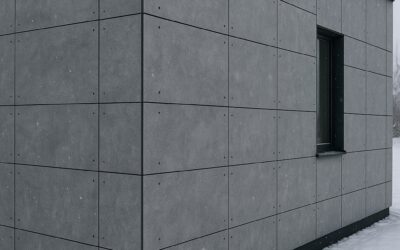
Is Fiber Cement Board Suitable for Baltic Weather? Performance in Rain, Snow, and Coastal Conditions
Choosing the right facade material in the Baltic region is not just about aesthetics. Buildings in Lithuania, Latvia, and Estonia are exposed to frequent rain, heavy snow, freeze–thaw cycles, and coastal winds, all of which can severely impact facade performance over time.
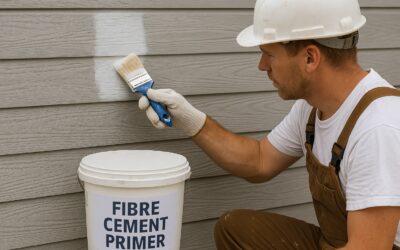
Do You Need to Prime Fiber Cement Board Before Painting? What Manufacturers and Installers Recommend
Painting fiber cement boards is a common practice for both interior and exterior applications. However, one question comes up consistently among contractors, architects, and homeowners: Do you need to prime fiber cement board before painting?
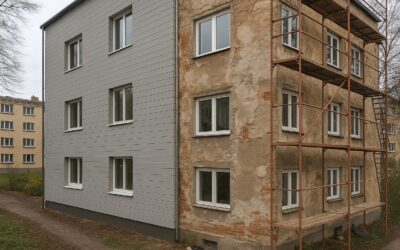
How Fiber Cement Boards Perform in Renovation Projects Across Baltic Countries
Renovation and refurbishment projects are a major part of the construction market in Lithuania, Latvia, and Estonia. Aging building stock, stricter energy regulations, and the need for durable facade upgrades have increased demand for reliable facade renovation boards. In this context, fiber cement board renovation solutions are increasingly preferred than
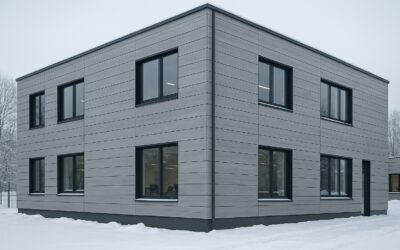
Fiber Cement Board for Facades in the Baltic Region: Performance in Moisture, Frost, and Wind Loads
Facade materials used in the Baltic region must withstand harsh weather conditions throughout the year. High humidity, frequent rainfall, freeze–thaw cycles, and strong coastal winds place significant stress on exterior wall systems. For this reason, fiber cement board facade systems have become a preferred solution in Lithuania, Latvia, and Estonia.
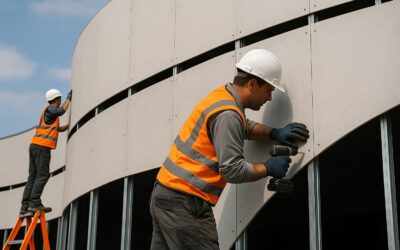
Minimum and Maximum Bending Radius of Fiber Cement Boards: Can They Be Curved Safely?
Fiber cement boards are traditionally used as flat façade and interior panels — but modern architecture increasingly demands curved walls, soffits, and flowing geometries. This raises a critical question: How far can fiber cement boards bend safely without cracking or structural failure?