
SMARTCON
Blog

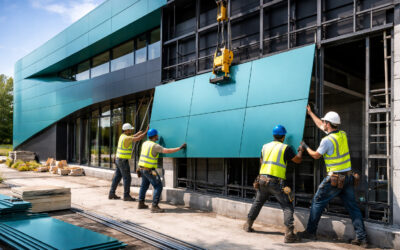
Are Aluminium Composite Panels Lightweight Enough for Faster Facade Installation?
Yes, aluminium composite panels are lightweight enough to support faster façade installation, and this is one of the main reasons they are so widely used in modern construction. For architects, contractors, developers, and specifiers, weight matters not only from a structural point of view, but also from a practical site perspective. A lighter façade material is generally easier to transport, easier to handle, easier to position, and often faster to install. Aluminium composite panels perform very well in this respect.
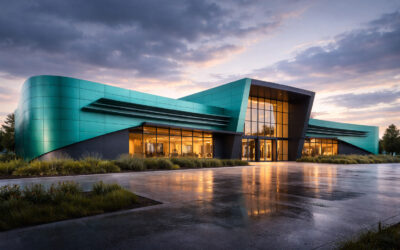
Do Aluminium Composite Panels Deliver a Clean and Consistent Finish?
Yes, aluminium composite panels deliver a very clean and consistent finish when they are properly specified, fabricated, and installed. In fact, this is one of the main reasons they are so widely used in modern façades. For architects, developers, and contractors, appearance is not a secondary issue. It is a major part of the project outcome. A façade must not only perform well, but also look sharp, controlled, and visually reliable from a distance and up close. Aluminium composite panels are especially strong in this area.
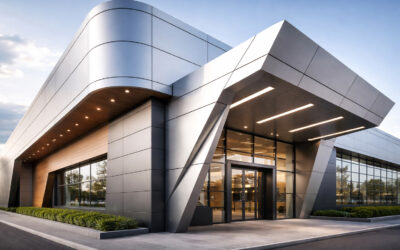
Can Aluminium Composite Panels Be Fabricated into Custom Shapes and Designs?
Yes, aluminium composite panels can be fabricated into custom shapes and designs very effectively. This is one of the biggest reasons they are so popular in modern architecture. ACP gives architects, designers, and façade contractors the freedom to create sharp lines, clean corners, curved features, feature bands, column covers, parapets, soffits, and many other custom façade elements without losing visual consistency.
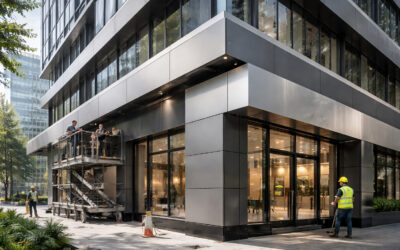
Are Aluminium Composite Panels Suitable for Renovation Projects?
Yes, aluminium composite panels are highly suitable for renovation projects. In fact, they are often one of the most practical façade solutions for upgrading older buildings without creating unnecessary weight, complexity, or visual inconsistency. Their lightweight structure, clean appearance, ease of fabrication, and fast installation make them especially attractive for refurbishment, recladding, and exterior modernization works.
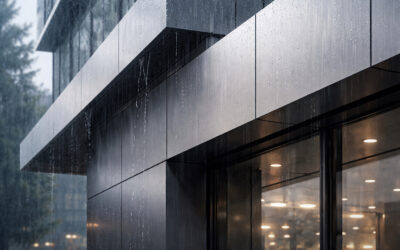
Can Aluminium Composite Panels Withstand Harsh Weather?
Aluminium composite panels can withstand harsh weather very well when they are properly specified, correctly installed, and used with the right coating and support system. This is one of the reasons they are widely chosen for modern façades in commercial, residential, and institutional buildings. Their smooth surface, lightweight structure, and durable exterior finish make them a reliable solution for projects exposed to rain, wind, temperature changes, humidity, and strong sunlight.
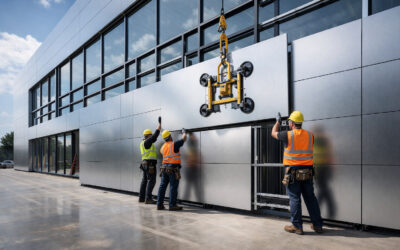
Are Aluminium Composite Panels Easy to Install?
The short and clear answer is yes — aluminium composite panels (ACP) are considered easy to install compared to many traditional façade materials, especially when the system is properly designed and executed. This is one of the key reasons why ACP is widely preferred in modern construction projects where speed, efficiency, and precision matter.
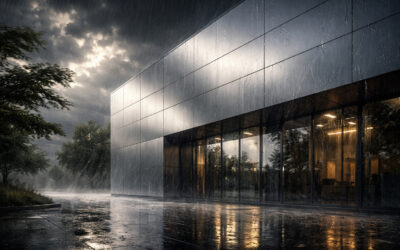
Are Aluminium Composite Panels Durable in Outdoor Conditions?
The short and clear answer is yes — aluminium composite panels (ACP) are designed to perform reliably in outdoor conditions when properly specified and installed. This is one of the main reasons why ACP is widely used in modern façades across commercial, residential, and mixed-use buildings.
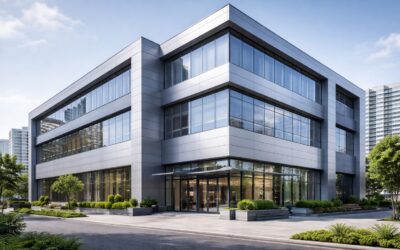
Can Aluminium Composite Panels Be Used on Commercial Buildings?
The short and clear answer is yes — aluminium composite panels (ACP) are widely used on commercial buildings and are considered a reliable, modern façade solution when properly specified and installed. From office blocks and retail units to hotels, showrooms, and mixed-use developments, ACP has become a preferred choice for projects that require a clean appearance, efficient installation, and long-term visual consistency.
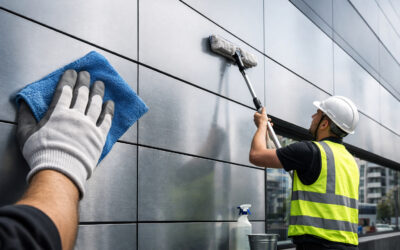
Do Aluminium Composite Panels Require a Lot of Maintenance?
If you are looking for a clean, modern façade material that does not create a heavy maintenance burden, the answer is reassuring: aluminium composite panels do not require a lot of maintenance when properly specified and installed. This is one of the reasons why ACP remains a popular choice for commercial buildings, residential developments, retail façades, and contemporary architectural projects. They offer a sleek appearance, consistent finish quality, and long-term outdoor performance without demanding constant upkeep.